
I’ll never forget that moment in the mirror when I realized my smile wasn’t quite as perfect as I had hoped. It was a small gap between my front teeth, but every time I spoke or smiled, I couldn’t help but feel self-conscious. For years, I thought braces were the only solution, but that was a mistake I learned the hard way. Later, I discovered that dental veneers could be a game-changer for closing those tiny gaps without the hassle of traditional braces.
Why Small Gaps in Teeth Can Impact Your Confidence—and Why You Should Care
Many people don’t realize that even minor spacing issues can affect how they feel about their smile. It might seem trivial, but our smile is often the first thing others notice, and feeling confident in it makes a real difference. I used to cover my mouth whenever I laughed, avoiding photos altogether. That’s why I’m excited to share that there’s a straightforward, minimally invasive way to fix these small imperfections—veneers—without the lengthy process of braces or aligners.
Now, I’ll walk you through how these tiny cosmetic tweaks can lead to a big boost in your self-esteem. Whether you’ve been considering options or just curious about alternatives, knowing that you don’t need to endure metal wires for minor gaps can be quite liberating. And yes, it’s POSSIBLE to achieve a natural-looking, beautiful smile with a simple veneer procedure—something I wish I had known earlier.
Is Veneers Actually Worth the Hype? My Early Mistake
Admittedly, I was skeptical at first. I thought, “This has to be too good to be true,” and I almost overlooked this effective option. My mistake was assuming that «cosmetic procedures» meant cosmetic-only and wouldn’t last. But after a bit of research, I found that modern veneers are durable, safe, and can provide years of beautiful results if done correctly. It’s essential to work with a trusted professional, especially because choosing the wrong provider can turn this simple fix into a costly disappointment.
If you’re tired of hiding your smile or worried about the durability of such treatments, don’t worry—I’ll guide you through what to look for and how to decide if veneers are the right fit for your small gaps. Trust me, the right decision can make all the difference in how you face each day.
With that in mind, let’s explore the practical steps and considerations that will help you confidently embrace this transformative option.
.
Prep Your Dental Assessment
Begin by scheduling a comprehensive dental exam with a trusted professional. During this visit, the dentist will evaluate your teeth and determine if veneers are suitable for fixing your small gaps. Think of it as a planning stage—like mapping out a construction project before building. I remember my first assessment where the dentist used a 3D imaging scan, which made it clear how precisely they could tailor the veneers to my teeth’s unique shape.
Optimize Your Oral Hygiene Routine
Before the veneer procedure, ensure your teeth and gums are as healthy as possible. This involves adopting best practices such as regular brushing with fluoride toothpaste, flossing daily, and perhaps incorporating specialized techniques like gentle gum massage. For those with sensitive gums, I recommend reading these gentle cleaning tips to prevent irritation. Well-maintained oral health minimizes risks during and after the procedure.
Schedule a Professional Cleaning
Next, book a professional dental cleaning—think of it as a reset button. Professional cleanings remove plaque and tartar that ordinary brushing might miss. This step is crucial because clean teeth allow the veneers to adhere better. I once skipped this step before my first consultation and learned the hard way that debris can interfere with bonding. Proper cleaning ensures a smooth path toward perfect results. Learn more about professional cleaning secrets.
Choose the Right Veneers
Discuss options like material type—porcelain or composite—with your dentist. Porcelain veneers are durable and offer a natural appearance, while composite veneers are easier to repair. During my own experience, I opted for porcelain because it matched my natural tooth color and resisted staining. A good rule of thumb is to consider your lifestyle and budget, then consult your dentist about the latest in veneer technology.
Prepare for the Bonding Process
On the day of the procedure, your dentist will first numb the area to ensure comfort—think of it as insulation. Then, they’ll gently sand the surface of your teeth to make room for the veneers—like preparing a wall for wallpaper. I remember the slight sanding feeling; it was quick but essential. Afterward, a special cement is applied, and a curing light sets the veneer in place. This process is precise and requires the skill of an experienced professional. Check out how proper bonding can last years.
Finishing Touches and Follow-Up
Once bonded, the dentist will make adjustments for a comfortable bite and natural appearance. This is your opportunity to voice any discomfort or concerns. After the procedure, maintaining excellent oral hygiene and attending regular checkups will prolong your veneers’ lifespan. I found that avoiding very hard foods and using a night guard if I clench my teeth helped preserve my new smile—details I learned through ongoing oral health advice.
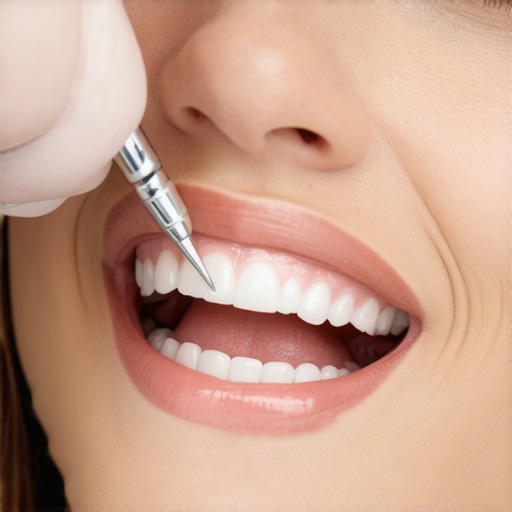
Many individuals enter the dental sphere with preconceived notions rooted in misconceptions, often leading to suboptimal decisions or neglected care. One widespread myth is that routine teeth cleaning is merely a cosmetic luxury rather than a cornerstone of long-term oral health. In reality, as highlighted by experts, regular cleanings are vital for preventing **serious dental problems** like gum disease, which has been linked to systemic conditions such as heart disease and diabetes (see this study). Overlooking this nuance can lead to costly and invasive treatments down the line.
Another common mistake revolves around the notion that whitening treatments are a quick fix with no risks. Many opt for over-the-counter options without understanding the potential for enamel erosion or increased sensitivity. Advanced professionals often recommend **consulting a dentist** to tailor whitening methods, ensuring safety and longevity. For instance, in-office treatments paired with proper post-care can deliver stunning and durable results, unlike generic strips which may lack efficacy (more details here).
Why Do Some Dental Corrections Fail Despite Following Standard Advice?
A nuanced perspective reveals that many failures in cosmetic procedures, like veneers or aligners, stem from overlooking factors such as **personal habits, diet, and maintenance routines**. For example, patients who consume heavily pigmented foods or neglect regular oral hygiene can unintentionally compromise their investment. Even the best materials, such as porcelain veneers, require diligent care to last years, emphasizing that cosmetic dentistry is as much about discipline as technique. The importance of **professional guidance and patient education** cannot be overstated in ensuring long-term success (see how advancements shape expectations).
Moreover, a subtle yet critical mistake many make is assuming that dental visits are only necessary when problems arise. Preventive care, including **regular checkups and cleanings**, acts as early detection and preservation, saving time and money. Waiting until issues are symptomatic increases the risk of needing complex interventions—a costly trap that can be avoided with proactive engagement. As referenced in recent research, **early intervention** markedly improves outcomes and patient satisfaction (this article explains).
Additionally, misconceptions about family dentistry often involve underestimating the importance of tailored advice for different age groups. Childcare, adult maintenance, and elder care all demand unique approaches, which are sometimes overlooked by families not working with a comprehensive provider. Building a consistent relationship with your dentist facilitates personalized strategies—like **preventive sealants for kids or targeted periodontal care for seniors**— that go beyond basic cleaning (read more on this).
Ultimately, recognizing these nuanced aspects of oral health transforms a routine process into a strategic investment. Staying informed and questioning prevailing myths allows you to make better choices, ensuring your smile’s health and beauty endure. Have you ever fallen into this trap? Let me know in the comments.
How do I maintain my oral health over time?
Maintaining a healthy and beautiful smile requires more than just visiting the dentist twice a year. The right tools can make daily care more effective and help prevent common issues like gum disease and enamel erosion. Personally, I rely on a few key pieces of equipment that have proven their worth over years of consistent use.
First, I highly recommend investing in an electric toothbrush with a pressure sensor. Devices like the Oral-B Genius series provide superior plaque removal compared to manual brushes and feature built-in timers to ensure thorough cleaning. The pressure sensor is crucial because it alerts me if I brush too hard, preventing gum recession, which I’ve learned can occur from excessive force (see this article).
Next, a water flosser—specifically, a model like the Waterpik Ultra—has transformed my flossing routine. While traditional floss is effective, water flossers can reach stubborn plaque between teeth and along the gumline more efficiently, especially if you have sensitive gums (learn more here).
For whitening maintenance, I use an LED teeth whitening pen combined with a daily routine of gentle brushing. This approach helps sustain the results achieved during professional whitening sessions without risking sensitivity. Remember, overdoing whitening can cause enamel erosion, so moderation and professional guidance are key (more info here).
Complementing these tools is a quality mouthwash—preferably one with fluoride and antibacterial agents—to reinforce enamel strength and reduce bacterial buildup. I favor rinses recommended by dental professionals because they contain ingredients proven to support long-term oral health.
Predicting future trends, I believe that smart toothbrushes with AI and real-time feedback will become standard in personal oral hygiene. These devices will track brushing habits, pressure, and coverage, guiding users to optimize their routines effortlessly.
What do I do to ensure my routine stays effective?
Consistency is king. I set reminders to replace my toothbrush every three months and attend regular professional cleanings to catch issues early. Additionally, I keep a dental journal to track habits and any sensitivities. If you’re serious about keeping your smile in top shape, I recommend trying out a high-tech toothbrush that suits your needs and integrates seamlessly into your daily routine.
Remember, using the right tools and maintaining disciplined habits today will pay off exponentially in the long run. For personalized tips tailored to your family’s needs, don’t hesitate to reach out via our contact page.
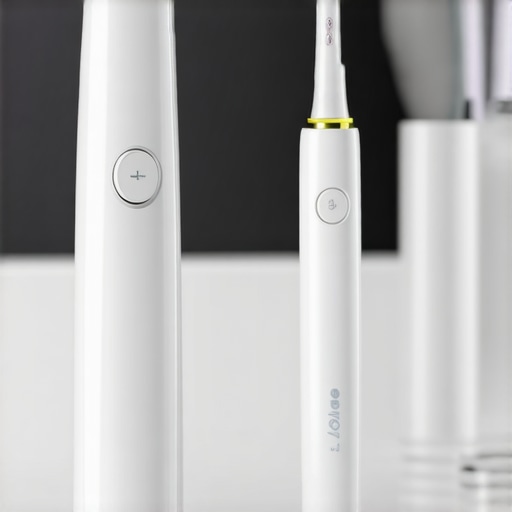
Embracing these innovations now prepares you for a future where oral health management is smarter, easier, and more effective. What’s the one tool you’re excited to try first? Share your thoughts and start taking control of your oral wellness today!
What I Wish I Knew Before Starting My Smile Makeover
- One of the biggest lightbulb moments was realizing that minor imperfections like small gaps or misalignments can significantly impact how confident you feel daily. Embracing modern cosmetic options like veneers transformed not just my appearance but my outlook.
- Trusting the right professional is everything. A skilled dentist applies techniques that are both safe and long-lasting. My mistake was choosing someone without sufficient experience, which taught me to do thorough research before any procedure.
- Natural-looking results require understanding that materials like porcelain are not only durable but also mimic the translucency of natural teeth. I learned that asking about material options and their upkeep makes all the difference.
My Go-To Resources for Beautiful, Healthy Smiles
- Professional dental assessments: Regular checkups with a trusted family dentist help catch issues early and prepare your smile for any cosmetic procedures. I rely on expert advice from our local dentist to keep my oral health on track.
- Educational content: Websites like this resource have empowered me with knowledge about veneer options and innovations in cosmetic dentistry, helping me make informed decisions.
- Oral hygiene tools: Investing in a good electric toothbrush and water flosser, as I did, can dramatically improve daily results and prolong cosmetic investments.
- Community stories: Hearing from others who have transformed their smiles through real-life experiences encourages me to stay committed to my dental routine and explore new treatments confidently.
Your Smile Can Light Up More Than Just Photos—It Can Change Your Life
Taking charge of your oral health and embracing cosmetic dentistry isn’t just about aesthetics; it’s an investment in your self-esteem and well-being. Imagine feeling confidently smile in every photo or meeting, knowing you’ve chosen a path that aligns with your personal goals. This journey isn’t reserved for others; it’s within your reach. Small steps today, like scheduling a consultation or improving your daily oral care, can lead to a future where your smile truly reflects your inner confidence. Are you ready to take that first step toward a brighter, more self-assured you? Share your thoughts below, and let’s start a conversation about making your smile the best it can be.