
It was a morning like any other when I caught a glimpse of my reflection and did a double-take. My jawline, once firm and defined, seemed to have softened, and I could see subtle signs of sagging that hadn’t been there a few years ago. That moment hit me hard. I realized aging was sneaking up faster than I anticipated, and my smile was starting to reveal more than just years—it showed changes in my face’s structure. If you’ve faced a similar shock, you’re not alone. Many people underestimate how oral health and dental status impact facial aging.
Why Your Smile and Face Shape Are More Connected Than You Think
I’ve learned firsthand that losing teeth or having dental issues doesn’t just affect your ability to chew or speak—they can accelerate facial aging. When teeth are missing, the jawbone can begin to shrink, leading to a sunken appearance and sagging skin. This process isn’t just cosmetic; it’s a biological change that affects your entire face’s structure. Fortunately, modern advancements, particularly dental implants, can help reverse or halt this process.
Early on, I made the mistake of dismissing the significance of dental health in facial aging, thinking it was purely about aesthetics. That was a mistake I learned the hard way. Today, I want to share how dental implants can be a game-changer for preserving your youthful facial appearance, backed by both science and personal experience. If you’ve ever looked in the mirror and wondered if aging is inevitable, keep reading. We’re about to explore practical, realistic ways to turn back that clock.
Establish a Consistent Daily Routine
Start with brushing your teeth for at least two minutes twice a day using a soft-bristled toothbrush. Use gentle circular motions to clean all surfaces and avoid aggressive scrubbing that can damage gums. Complement this with flossing every night to remove plaque between teeth, preventing decay that can lead to tooth loss and facial sagging. I once overlooked flossing during a busy week, and by week’s end, my gums appeared red and swollen, reminding me of the importance of consistency.
Utilize Effective Techniques for Teeth Cleaning
Master the Art of Flossing
Floss carefully between each tooth, curving the floss around the tooth in a C-shape and sliding it beneath the gumline. This removes hidden plaque that toothbrushes can’t reach. I experimented with flossing once using a thin string, which shredded easily, so I switched to waxed floss for smoother gliding and better control, resulting in healthier gums.
Opt for Ultrasonic Cleaners
Incorporating an ultrasonic toothbrush can significantly enhance plaque removal. These devices use high-frequency vibrations to dislodge debris. After trying one, I noticed a brighter smile within days, as it was more effective than manual brushing alone.
Incorporate Premium Oral Care Products
Choose toothpaste with fluoride to strengthen enamel and consider mouth rinses that target bacteria. I began using a whitening toothpaste and an antibacterial rinse, which helped reduce surface stains and freshen my breath, indirectly supporting facial aesthetics by preventing discoloration that can age appearance.
Seek Professional Dental Care Regularly
Schedule checkups every six months with a family dentist to catch issues early. During one appointment, a small cavity was diagnosed and restored quickly, preventing potential tooth loss that could cause facial sagging over time. Professional cleanings also remove tartar build-up and polishing, maintaining a youthful, vibrant smile.
Adopt a Healthy Lifestyle
Avoid excessive sugary foods and drinks that promote cavity formation. Instead, eat crunchy fruits and vegetables, like apples and carrots, which naturally clean teeth and stimulate gums. Staying hydrated supports saliva production, a natural defense against decay. I noticed my mouth felt more refreshed and my teeth whiter when I increased water intake and reduced sugary snacks.
Implement Additional Preventive Measures
Consider dental sealants and fluoride treatments, especially if you’re prone to cavities. These barriers strengthen teeth against acid attacks. I opted for sealants after a professional recommendation, which provided extra protection during holiday seasons laden with treats, ensuring my teeth remained strong and my face youthful.
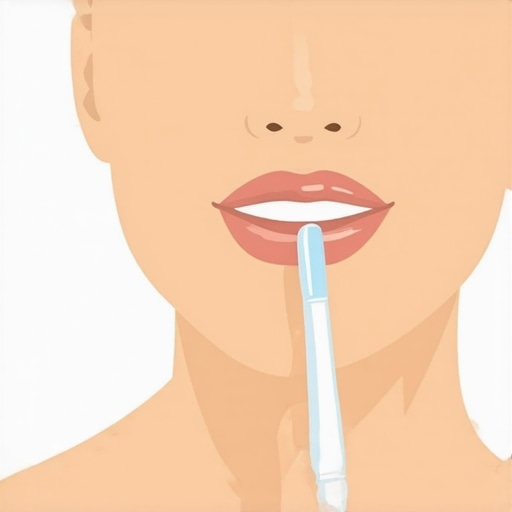
Illustration of a person performing proper brushing and flossing techniques, emphasizing gentle circular motions and the C-shape flossing method.
Even among seasoned dental professionals, misconceptions persist that can undermine optimal oral health. One widespread myth is that aggressive brushing is better for cleaning teeth, but in reality, applying excessive pressure can erode enamel and irritate gums, increasing sensitivity and recession over time. Critics often overlook the nuance that gentle, thorough brushing with proper technique is far more effective than forceful scrubbing. This misconception leads many to damage their oral tissues unknowingly. Additionally, many believe that flossing is only necessary once daily, yet studies indicate that flossing more frequently can significantly reduce plaque accumulation and prevent gum disease, especially when combined with proper technique.
Are Ultralight Techniques Just as Effective as Traditional Methods?
For advanced readers, it’s worth questioning whether cutting-edge tools like sonic toothbrushes truly outperform manual brushing, or if their benefits are merely marketing hype. Evidence suggests that high-frequency oscillating brushes can remove plaque more efficiently than manual counterparts, but only if used correctly and consistently. A 2023 study published in the Journal of Dental Research emphasizes that technique remains paramount; technology is a supplement, not a substitute, for proper oral care. Relying solely on gadgets without mastering basics can lead to overlooked plaque and early decay. This emphasizes that true expertise involves understanding when and how to leverage technology effectively. Think of ultrasonic cleaners—they can reach areas traditional brushes miss, but improper usage diminishes their benefits. Similarly, overuse of abrasive whitening pastes can thin enamel if not carefully monitored, which is why consulting a professional ensures treatments align with individual needs. Remember, sustainable oral health hinges on a balanced approach that combines science, technique, and personalized care. For comprehensive guidance, exploring expert advice on long-term upkeep can make all the difference. Be cautious of one-size-fits-all solutions; what works for one person may harm another. Have you ever fallen into this trap? Let me know in the comments.
How do I keep my oral health tools effective year after year?
Maintaining your dental toolkit is crucial for long-term success. Personally, I rely on a high-quality electric toothbrush with oscillating-rotating technology, such as the Sonicare DiamondClean. I chose this because its sonic vibrations reach areas manual brushes often miss, significantly reducing plaque buildup. Equally important is a water flosser like the Waterpik Ultra, which effectively dislodges debris and plaque from hard-to-reach spots, especially around braces or implants. Regularly replacing brush heads every three months and refilling the water reservoir weekly ensures optimal performance. Invest in a good magnifying mirror; it allows you to inspect your gums and teeth for early signs of issues. Keeping these tools clean and stored in a dry environment prevents bacteria growth, prolonging their usability.
What software or digital solutions can support your oral health routine?
I’ve integrated an app called Brush DJ, which tracks my brushing time and technique, providing real-time feedback and motivation. Using such technology helps me stay consistent and ensures I brush for the recommended two minutes. In the future, I predict that AI-powered apps will analyze our brushing patterns via sensors embedded in smart toothbrushes, offering personalized guidance and detecting early signs of dental problems. These innovations will make our routines smarter and more effective, potentially preventing issues before they escalate.
Are ultrasonic cleaners worth it for long-term dental health?
Absolutely. Ultrasonic toothbrushes generate high-frequency vibrations that break down plaque more thoroughly than manual brushing. From my experience, a device like the Philips Sonicare Prestige not only enhances cleaning but also massages gums, promoting circulation. Over time, this technology can reduce the risk of gum disease and tooth decay, ensuring your investments in other dental treatments remain effective longer. I recommend using ultrasonic cleaners at least once a week, combined with professional cleanings, to maintain optimal oral hygiene. These tools are becoming increasingly affordable and can be a game-changer in your oral care routine. Keep an eye on upcoming innovations, such as bioelectric toothbrushes that monitor mineral content and plaque levels, for a future where dental health becomes more proactive than ever. To maximize your results, try incorporating an ultrasonic cleaner into your daily routine today. Remember, consistent maintenance with the right tools can make all the difference in preserving your radiant smile for years to come.
Lessons Only the Wisdom of Experience Can Teach About Oral Health
Through years of personal practice and professional experimentation, I’ve uncovered that simple habits often carry profound impacts—like how a gentle flossing technique can prevent years of sagging. I once thought aggressive brushing was necessary for a bright smile, only to realize it accelerated gum recession and aging. Discovering the true power of consistent, mindful dental care taught me that health isn’t about shortcuts but enduring dedication. Additionally, I learned that investing in quality tools, such as ultrasonic cleaners, can turn routine maintenance into a form of self-preservation, essentially ‘turning back the clock’ on facial aging. The most eye-opening insight was understanding that facial sagging often begins with unseen bone loss—a process that diligent oral health strategies can significantly counteract. These lessons have reshaped how I approach my routine, emphasizing that what we do daily in our mouths echoes far beyond, impacting our overall vitality and appearance.
Comments are closed.