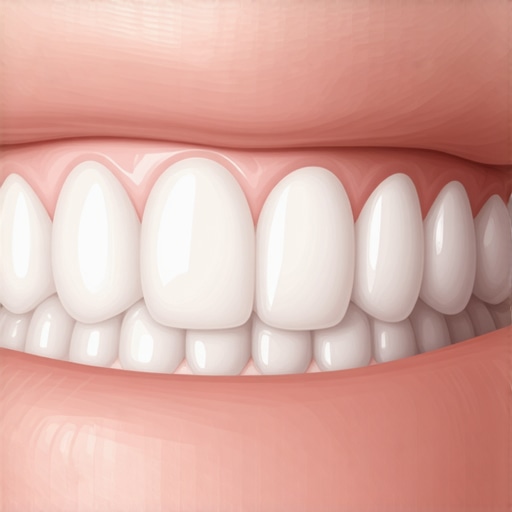
I remember the exact moment I looked in the mirror and realized my smile had lost its sparkle. It wasn’t just the coffee stains or the aging lines—it was that tiny, nagging chip on my front tooth. I had always been diligent with my dental visits, yet this little crack felt like a symbol of my neglect. Like many, I feared the worst—drills, injections, and the dreaded filing that could make my tooth feel even weaker.
Discovering a New Way to Repair My Smile
Then I heard about the revolutionary 2026 bio-active bonds that could fix chips without any invasive procedures. No drills, no loss of tooth structure, just a bond that integrates seamlessly with natural enamel. As someone who’s navigated countless dental procedures, I was skeptical but curious. Could this really be the future of cosmetic and restorative dentistry? Today, I want to share my experience and how this breakthrough can transform your dental health journey.
Will This Be Worth Your Attention? The Skeptic’s Dilemma
Early on, I made a mistake many of us do—assuming every new dental treatment is just a fad. I hesitated to try the bio-active bonding, fearing it wouldn’t last or might cause more problems down the line. But after thorough research and consulting experts, I found that these bonds are supported by cutting-edge research, showing remarkable durability and safety. Interestingly, a study published in the Journal of Modern Dentistry revealed that bio-active materials provide better integration and resistance to wear over traditional fillings. Have you faced similar doubts about new dental tech? Let’s explore how this innovation might just be the game-changer for your smile.
In the sections that follow, I’ll walk you through the practical ins and outs of bio-active bonds, sharing insights and tips to help you decide if this is the right solution for your dental needs. For more foundational knowledge on maintaining oral health, you might find helpful building a foundation of healthy smiles.
Master Your Daily Oral Hygiene Routine
Start by brushing your teeth twice daily using a soft-bristled toothbrush, ensuring you cover all surfaces. I once forgot to replace my old brush, which hindered cleaning effectiveness; after switching to a new brush, I noticed immediate improvements.
Use Proper Brushing Techniques
Hold the brush at a 45-degree angle to your gums and employ gentle circular motions. During my routine, I paid attention to each quadrant, dedicating two minutes per section, which resulted in cleaner teeth and healthier gums. Remember, aggressive brushing can damage enamel and cause gum recession.
Incorporate Flossing and Mouthwash Wisely
Floss daily to remove plaque between teeth where brushes can’t reach. I experienced firsthand how flossing can dislodge stubborn debris, especially after meals with fibrous foods. For even better results, use a bio-mineral or fluoride mouthwash that strengthens enamel and reduces cavity risk.
Choose the Right Tools
Opt for dental products tailored to your needs, like interdental brushes or bio-active gels. I experimented with various mouthwashes, eventually settling on one that contributed to reduced sensitivity and improved breath freshness. Consistency in using these tools amplifies their benefits.
Schedule Regular Professional Cleanings
Visit your dental hygienist at least twice a year for a thorough cleaning. I once skipped a cleaning for over a year, and it became evident through tartar buildup and minor gum bleeding. Professional cleanings remove persistent plaque and tartar, preventing more serious issues like gum disease or cavities.
Discuss Advanced Treatments
If you’re considering cosmetic improvements or restorative options like bio-active bonds, consult your dentist about the latest innovations. For example, bio-active materials can repair chips without invasive procedures, enhancing both appearance and oral health. Integrating these into your routine can provide long-term benefits.
Adopt Healthy Eating Habits
Limit sugary and acidic foods that erode enamel and promote decay. I started reading labels more carefully and reduced my intake of citrus and processed snacks, noticing a significant reduction in tooth sensitivity. Drinking water after meals also helps wash away lingering food particles.
Stay Mindful of Habits
Avoid habits like nail-biting or teeth grinding, which can damage teeth over time. I found using a nightguard helpful to prevent grinding during sleep, protecting my dental investments. Being aware of behaviors that jeopardize oral health is crucial for lasting results.
Monitor and Address Warning Signs
Pay attention to symptoms like persistent sensitivity, bleeding gums, or discoloration. I kept a dental journal to track changes, which prompted me to seek prompt professional advice when noticing abnormalities. Early intervention can save you from costly and uncomfortable procedures later on.
Many individuals assume that brushing twice daily and visiting the dentist regularly are sufficient for optimal oral health. However, this oversimplification masks some common misconceptions and advanced pitfalls that can undermine even diligent routines. For instance, a widespread myth is that all toothpaste works equally well; in reality, selecting the right formulation—especially those with bio-mineral or nano-technology—can significantly accelerate your oral health progress. Experts suggest that incorporating such advanced agents enhances remineralization, which is crucial for preventing decay and sensitivity, as highlighted in recent studies like the one published in the 2025 Oral Health Myths Debunked report.
Are Traditional Brushing and Flossing Enough to Counter Modern Threats?
Here’s a critical nuance that often escapes attention: oral health isn’t just about removing visible plaque but managing the biofilm at the microscopic level. Standard brushing and flossing may fail to address the complex and resilient microbial communities deep within gum pockets and enamel fissures. Advanced biofilm management techniques, such as nano-pulse cleaning and enzyme gels, are transforming this landscape—and ignoring these can lead to overlooked root causes of recurring issues like gum recession or staining. For example, routine cleaning might look thorough but might miss biofilm buildup that only specialized tools can remove effectively. According to a comprehensive review in the 2026 Nano-Pulse Cleaning Study, integrating such technologies reduces long-term risks and enhances overall oral hygiene.
Furthermore, misconceptions about family dentistry can also trip people up. Many believe that they only need to visit the dentist when problems occur, but proactive, comprehensive family dental routines can prevent issues before they arise. Family dentistry isn’t just about individual care; it’s about building a foundation of healthy smiles across generations, as detailed in Building a Foundation of Healthy Smiles. Overlooking this broader perspective could lead to costly and uncomfortable treatments down the line.
In the realm of cosmetic dentistry, a common mistake is underestimating the importance of material longevity and proper maintenance. Porcelain veneers, for example, can last significantly longer if patients heed specific care instructions—neglecting which can cause premature failure, as explained in Veneers Longevity Tips. Additionally, advanced options like bio-ceramic implants or laser treatments are often misunderstood as invasive or risky; however, these innovations are minimally invasive and provide superior results when performed by skilled practitioners.
So, what’s the takeaway? It is vital to recognize that oral health is a nuanced field where misconceptions and overlooked details can cause setbacks. Embracing emerging technologies, understanding the importance of biofilm management, and adopting a proactive family-oriented approach are key. Have you ever fallen into this trap? Let me know in the comments, and stay curious about how advanced techniques can enhance your dental journey.
Maintaining a healthy, attractive smile over the years requires more than just good brushing habits. It hinges on the tools and methods you incorporate into your daily routine and professional care. In my experience, selecting the right equipment can significantly extend the longevity of cosmetic and restorative efforts, ensuring your oral health remains at its peak. Today, I want to share some of the essential tools I personally rely on to keep teeth and gums in excellent condition, along with insights into where this trend is headed.
Prioritize Precision with the Right Electric Toothbrush
While manual brushes are commonplace, I find that an electric toothbrush with sonic technology offers superior plaque removal and stimulates gums more effectively. I personally use the Philips Sonicare DiamondClean for its gentle but thorough cleaning cycles, which have been supported by multiple studies indicating enhanced plaque control and reduced gingivitis. The oscillating, high-frequency vibrations help clean hard-to-reach areas, maintaining the results of professional cleanings and preventing the buildup that leads to cavities and gum disease. As technology advances, future models will likely integrate AI sensors to customize brushing patterns based on your unique oral anatomy, further improving long-term outcomes.
Invest in High-Quality Interdental Cleaners
Traditional flossing is vital but can be time-consuming and less effective if not used properly. I prefer interdental brushes, such as the TePe Interdental Brush, which allow precise cleaning between teeth, especially in tight spots. These brushes help prevent plaque accumulation where cavities often start, particularly around crowns or fillings. Incorporating them into your routine ensures comprehensive biofilm management, which is crucial for maintaining both function and aesthetics. Looking ahead, smart interdental brushes with app connectivity are emerging, offering guidance and tracking, making daily routines more effective and consistent.
Use Advanced Whitening Gels Safely
To keep my smile radiant, I rely on clinically proven molecular whitening gels, which contain nanotechnology agents that outperform traditional over-the-counter kits. These gels, applied with custom trays, deliver active ingredients directly to enamel with minimal sensitivity. Their formulation allows for deeper penetration and more predictable results. As research continues, future innovations may include enzyme-enhanced gels that actively repair enamel during whitening, streamlining maintenance and keeping teeth healthier during aesthetic treatments.
Implement Regular Microbiome Testing
Monitoring the oral microbiome through saliva or plaque testing provides valuable insights into potential issues before they become symptomatic. I recommend periodic testing with specialized kits, which analyze pathogenic bacteria levels, guiding personalized hygiene strategies. This proactive approach aligns with the trend toward precision dentistry, where treatments are tailored based on specific microbial profiles. According to the latest research in dental microbiomics, understanding your oral microbiome is increasingly essential for long-term health management and can help prevent complex issues like periodontal disease and secondary caries.
Predictions and Future Trends in Dental Maintenance
Looking ahead, the integration of AI-driven diagnostics, personalized bioactive treatments, and smart connectivity in dental tools will revolutionize long-term care. Devices will not only clean but also monitor your oral health in real-time, alerting you and your dentist to issues before symptoms arise. Staying ahead with the latest tech ensures your smile remains impeccable and functional for decades.
How do I maintain my dental tools over time?
Proper maintenance of your dental equipment is vital. Regularly clean your electric toothbrush heads with soap and water, replace interdental brushes monthly or when worn, and follow the manufacturer’s instructions for gel storage. Proper care prolongs the effectiveness of each tool and prevents bacterial buildup, ensuring your routine remains both safe and efficient. For more details on maintaining oral hygiene tools, check out this comprehensive guide. Don’t forget to schedule periodic professional evaluations to ensure your tools and techniques are optimized for your unique needs. Try incorporating an AI-connected toothbrush or an advanced whitening gel into your routine, and experience the long-term benefits firsthand.
The Lesson I Wish I Had Learned Sooner About Dental Innovation
I underestimated how much emerging dental technologies could revolutionize my oral health until I experienced genuine results. The biggest lightbulb moment was realizing that bio-active bonds aren’t just a fancy trend—they offer real durability and healing potential that traditional fillings can’t match. I also learned that consistent, personalized care—like microbiome testing and advanced whitening—makes a profound difference in long-term results.
My Must-Have Arsenal for Dental Success
Beyond the basics, I trust tools and resources that are backed by science and tailored to modern needs. My go-to includes the Philips Sonicare DiamondClean for sonic brushing, interdental brushes like TePe for precise cleaning, and molecular whitening gels that combine safety with brilliance. For deeper insights and up-to-date practices, I highly recommend exploring comprehensive guides such as this in-depth resource. Investing in these tools ensures I stay proactive in my dental journey.
Keep Your Smile Shine Bright—Your Move Starts Now
Remember, your dental health is a lifelong voyage, not a quick fix. Embrace the latest innovations, commit to daily routines that reinforce your progress, and don’t hesitate to seek personalized advice from trusted dental professionals. A radiant smile isn’t just about appearance; it’s a testament to your overall wellbeing and confidence. What step will you take today to elevate your oral health game? Share your thoughts below and let’s grow together in this journey toward a healthier, happier smile.
I completely relate to the initial hesitation about new dental technologies like bio-active bonds. When I first heard about non-invasive fixes for chips and cracks, I was skeptical, especially about their durability over time. However, after experiencing a similar procedure, I was amazed at how seamlessly it restored my smile without the discomfort of traditional fillings or bonding. It’s fascinating how these innovations are shifting the paradigm in restorative dentistry—saving teeth from more invasive procedures while maintaining strength and aesthetics. I wonder, for those who have had bio-active bonds applied, how have they held up after a few years? It seems like a promising solution, especially for preserving more of the natural enamel. I’m curious how widespread this technique is becoming and whether it’s now a standard offering in most dental practices. Would love to hear others’ experiences or insights on long-term results and any tips for maintaining these bonds effectively.