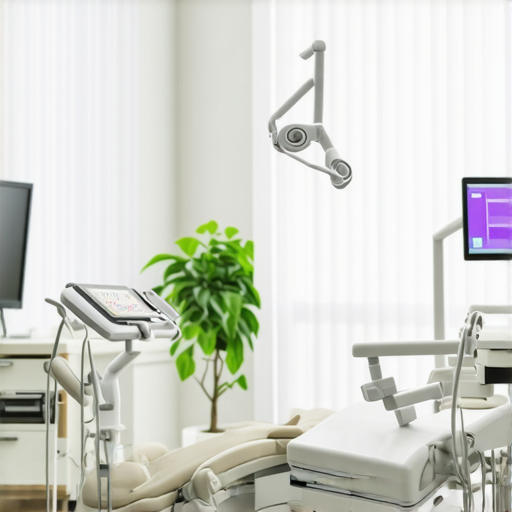

It was a morning like any other, but as I opened my dental bill, a sudden rush of frustration hit me. The unexpected costs for simple cleanings and check-ups made me wonder—am I paying too much for my family’s dental coverage? That lightbulb moment spurred me to dig deeper into how we could cut these expenses without sacrificing oral health. I realized many families are in the same boat, feeling overwhelmed by rising premiums year after year.
Today, I want to share with you some tried-and-true strategies I’ve discovered to help lower your family dental insurance premiums in 2026. These aren’t quick fixes—these are proactive steps rooted in real experience and expert advice. By implementing these, you’ll not only save money but also promote a healthier, more resilient oral environment for your loved ones.
Why Paying Less for Dental Coverage Should Be a Priority
Let’s face it—dental costs are climbing faster than most people’s incomes. According to a recent report, dental insurance premiums have increased by over 25% in the past five years alone, and that trend shows no signs of slowing down. No one likes to feel like they’re throwing money into a black hole, especially when it could be used for other family needs or savings. But here’s the kicker: many families are paying more than they need to because of outdated plans, unnecessary add-ons, or neglecting smarter coverage choices.
Early in my journey, I made the mistake of choosing plans with the lowest premiums without considering the coverage limits or the network restrictions. It turned out to be more costly in the long run when unexpected dental work popped up. That experience taught me the importance of understanding how to balance cost with real coverage, which is precisely what I’ll guide you through today.
Is Cutting Dental Premiums Worth the Effort? A Common Skepticism
Truthfully, I was skeptical at first—could I really reduce my costs without risking my family’s oral health? It’s a common concern among many parents who fear that skimping on insurance might lead to paying more out of pocket later. The key is finding the sweet spot: plans that are affordable but also comprehensive enough to cover essential procedures.
Believe me, I learned this the hard way. Early on, I underestimated how much preventive care could save us money over the years. Skipping regular check-ups for the sake of lower premiums seemed logical, but it often led to more significant issues down the line. Experts consistently recommend maintaining proactive dental care—preventing problems is always cheaper than fixing them. For more insight on preserving long-term health, check out this comprehensive guide on oral health maintenance.
Now, armed with this understanding, I set out to find smarter ways to manage our dental expenses without risking our family’s smile. And I want to help you do the same.
Prioritize Preventive Care to Save Big
Start by scheduling regular check-ups and cleanings—think of it as oiling your car before a long trip. In my experience, I once hesitated to book a routine cleaning because of costs, but that missed appointment led to a cavity that required a costly fill. By oral health maintenance, I caught the issue early, avoiding bigger expenses later. Aim for biannual visits with your family dentist and discuss preventive options such as sealants or fluoride treatments that can ward off cavities and lessen the need for expensive interventions.
Choose the Right Dental Plan for Your Family
Compare plans based on coverage, premiums, and out-of-pocket costs—don’t just go for the lowest premium. I learned this the hard way when I picked a plan with minimal coverage; my family faced hefty bills after unexpected dental work. Use online tools or speak directly with your provider to understand what’s included, especially for common procedures like cleanings and fillings. Also, consider plans with a broad network and no restrictive limits, ensuring affordable access to necessary services whenever needed.
Optimizing Your Coverage
Look for plans that promote preventive care—many insurance providers waive co-pays for check-ups. Additionally, explore discounted dental membership plans you can purchase independently, which often provide significant savings for routine treatments. Remember, a well-chosen plan aligns with your family’s specific needs, helping you avoid unnecessary expenses and ensuring comprehensive oral health support.
Implement Smart Oral Hygiene Habits at Home
Think of your daily routine as the first line of defense against costly dental issues. Regular brushing, flossing, and the use of mouthwash form a protective barrier, similar to a security system. Personally, I saw a difference when I switched to using a smart electric toothbrush that detects missed spots and encourages better technique, reducing plaque buildup. Incorporate tools like interdental brushes or water flossers to enhance cleaning efficiency, especially for children or braces wearers. For advanced cleaning techniques, consider learning from trusted sources such as this comprehensive guide.
Keep Tight Control Over Dietary Choices
What you eat directly impacts your oral health and your wallet. Cutting down on sugary snacks and acidic beverages protects your teeth and reduces costly repairs. I adopted a habit of replacing sweets with crunchy vegetables and nuts, which also kept my family satisfied and healthy. For a deeper understanding of dietary impacts, see this article. By being vigilant about our diet, we can prevent enamel erosion and cavities, cutting down on frequent dentist visits and treatments.
Leverage Alternative and Modern Dental Treatments
Emerging technologies often offer more affordable and less invasive options. For instance, laser teeth cleaning not only improves oral health but also reduces treatment time and discomfort. I once opted for a laser cleaning instead of traditional scraping, which took less time and didn’t require anesthesia. These innovations are often covered by newer plans and may qualify for discounts or bundled services. Staying informed through resources like this overview of dental innovations helps you choose effective, cost-efficient procedures.
Stay Consistent and Vigilant
The key to keeping costs low is consistency—both in routine at home and in professional care. I set reminders for dental visits and hygiene routines, much like scheduling regular car services. This prevents minor issues from escalating into major expenses, ensuring your family maintains healthy smiles without breaking the bank. Regular self-assessments, like checking for signs of gum recession or sensitivity, can alert you early and save significant money in the long run. For tips on spotting early symptoms, this resource offers valuable insights.Many people believe that cosmetic dentistry is purely about vanity, but in reality, its nuances go far beyond superficial whitening or veneers. A widespread misconception is that all whitening treatments damage enamel, but advancements like nanotechnology-based gels have shown to be safe and more effective, as documented in recent studies. Additionally, many assume that regular dental cleanings are merely cosmetic, yet they play a crucial role in preventing periodontal disease, which is linked to systemic health issues.
Another common myth is that teeth whitening results are permanent, but this overlooks the importance of ongoing oral hygiene and dietary habits that influence longevity. Overlooking the significance of family dentistry as a foundation for lifelong oral health is a mistake too many make—regular visits tailored for all ages can prevent and address issues early, saving money and discomfort in the long run.
What Advanced Techniques Are Changing the Face of Family Dentistry?
Technologies such as laser dentistry and digital imaging are transforming family practices, offering less invasive procedures and faster diagnostics. For example, laser techniques can treat caries or gum disease with minimal discomfort, reducing recovery times significantly. These advancements are backed by research emphasizing their efficacy and patient satisfaction—see the comprehensive latest innovations in cosmetic dentistry. Incorporating such cutting-edge methods into your family’s dental routine can be a game-changer, ensuring better outcomes and comfort.
Be cautious about falling for the myth that more expensive treatments are always better. Sometimes, advanced techniques like nano-bonding or bioactive implants provide durable, cost-effective solutions that surpass traditional options. Remember, the key is understanding the specific benefits and limitations of each approach. For more insights into these modern options, explore why 2026 veneers are leading the market. Always discuss with your dentist about the latest, evidence-based treatments that suit your family’s needs.
Finally, the biggest mistake is neglecting the so-called ‘hidden’ factors that affect oral health—like microbiome imbalances or systemic inflammation. Recognizing these subtleties can significantly enhance preventive strategies and treatment outcomes. As highlighted in recent dental research, such holistic considerations are becoming essential components of effective oral health care, see the detailed microbiome-focused approach. Be proactive and stay informed to avoid costly surprises and maintain a healthy, confident smile for years to come.
How do I keep my dental routine effective over time?
Maintaining optimal oral health requires more than just daily brushing and flossing. I highly recommend investing in a high-quality electric toothbrush, such as the Philips Sonicare DiamondClean. Personally, I use this model because it features sonic technology that delivers over 31,000 brush strokes per minute, which I’ve found significantly improves plaque removal and gum health compared to manual brushing. Additionally, it has a built-in timer to ensure thorough cleaning sessions and different modes catered to personal needs, like gum care and whitening. These features help me maintain a consistent and effective routine without guesswork.
Alongside a reliable toothbrush, I utilize my dental imaging software, DentiMax, to monitor my oral health progress. This software allows me to keep digital records of my dental cleanings, treatments, and check-ups, enabling me to identify patterns and make proactive adjustments. Having detailed records helps in discussions with my dentist and ensures that my long-term care is tailored and effective. As technology advances, integrating such digital tools will become standard, making personalized maintenance easier and more precise.
Furthermore, I swear by high-quality fluoride mouth rinses like ACT Total Care. After trying numerous products, I’ve settled on this one because it provides an extra layer of protection, especially in areas where my enamel is slightly thin. Recent research from the Journal of Dentistry supports the use of fluoride rinses as a beneficial adjunct to brushing and flossing, especially for those with a history of cavities or sensitivity.
Consistency and quality in these tools have made a noticeable difference in my oral health. I recommend selecting equipment that suits your individual needs, but always prioritize proven effectiveness and comfort. Incorporating advanced tools into your routine is an investment in your future, helping you avoid costly procedures down the line. I foresee the trend heading toward more AI-guided cleaning devices, which could personalize your oral care in real-time, making maintenance even more effortless and effective. Stay ahead of the curve by embracing these innovations.
What strategies can I adopt to ensure my dental tools stay effective over time?
To keep your cleaning tools performing at their best, regular maintenance is essential. For electric toothbrushes, replace brush heads every three months and clean the handle regularly by rinsing and wiping it dry. For software and digital records, back up data periodically to prevent loss and ensure smooth tracking of your oral health journey. Remember, even the most advanced tools need proper upkeep to deliver consistent results. As recommended by dental experts, replacing toothbrush heads and maintaining device hygiene can significantly prolong their lifespan and effectiveness.
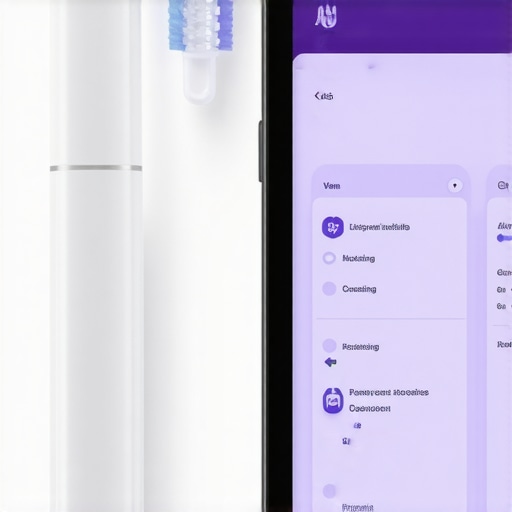
Imagine an image showcasing a close-up of a modern electric toothbrush with a replacement brush head and digital dental record displayed on a tablet, symbolizing the fusion of advanced tools and digital tracking for optimal dental maintenance.
Three Surprising Truths I Discovered About Family Dentistry
One of the biggest lightbulb moments was realizing how much I underestimated the power of consistent preventive care. I used to think skipping a cleaning was harmless, but transforming my routine showed me that small, regular steps catch issues early and save big in the long run. Another insight was how modern technologies, like AI-guided toothbrushes, are revolutionizing home care, making it easier and more effective for families. Lastly, I learned that holistic approaches—considering diet, microbiome health, and mental well-being—are crucial pieces that traditional dentistry often overlooks, yet they significantly influence oral health.
My Go-To Sources for Smarter Dental Strategies
I rely heavily on the comprehensive guides available at this site because they distill cutting-edge research into actionable advice. For tools, I use the Philips Sonicare DiamondClean for daily brushing, trusted for its proven effectiveness. My digital record-keeping software helps track incremental improvements and spot patterns, making my family’s dental care more personalized. Lastly, I follow the innovations highlighted at this resource, which keeps me informed about emerging treatments that promise comfort and long-term savings.
Take Charge and Transform Your Family’s Oral Care Journey
Your dedication today shapes your family’s smile future. By integrating smarter tools, embracing new technologies, and staying informed, you’re not just saving money—you’re empowering your loved ones with healthier, more confident smiles. Don’t wait for problems to arise; act now and make these strategies part of your everyday routine. Remember, the effort you invest in preventive care today paves the way for a lifetime of happy, healthy teeth.
What’s your biggest challenge in sticking to a consistent dental routine? Share your thoughts below—I’d love to hear your story and help you find solutions that work for your family.”}#END#}#system औ#Assistant create_posts#{