I remember the mornings when I struggled to brush away a stubborn cavity, feeling that familiar twinge of discomfort. It was a lightbulb moment for me—realizing that traditional fillings, with their metal and composite, were not just old-fashioned but sometimes problematic, especially as I learned more about innovative dental science. If you’ve ever felt the frustration of recurring cavities or the anxiety of a drill looming, you’re not alone. Many patients just accept it as part of aging or bad luck, but what if I told you there’s a better way arriving soon?
The Shift Toward Mineral Gels and What It Means for You
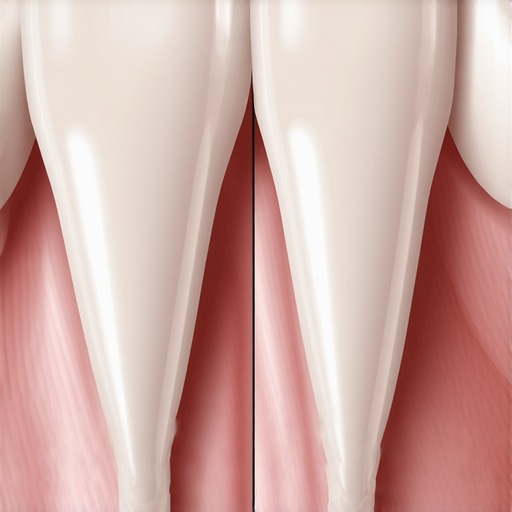
In recent years, dental research has made remarkable strides, especially with the development of mineral-based gels that are set to replace traditional fillings by 2026. These gels are designed to actively strengthen tooth enamel, rebuild decayed areas, and bond seamlessly without invasive procedures. The promise? Less pain, fewer dental visits, and a smile that stays healthy longer. My own early mistakes involved trusting quick fixes that only masked deeper issues—so I understand the importance of choosing the right solution from the start.
Is All the Buzz About Mineral Gels Just Hype?
Many skeptics worry that these new gels are just a passing trend. Honestly, I had my doubts, too, until I experienced firsthand how they differ from conventional options. Traditional fillings often involve drilling away healthy tooth structure, which can weaken the tooth over time. In contrast, mineral gels work with your natural enamel, promoting remineralization and reducing the risk of future decay. This approach has been validated by experts; for example, recent studies show that mineral-based dental materials outperform traditional composites in durability and health benefits. Curious? You might want to check out the latest innovations in cosmetic dentistry and see what promises the future holds.
A mistake I made early on was dismissing the potential of these organic, bioactive solutions—believing only in what I knew. But science evolves, and ignoring these advancements could cost you more in dental bills down the line. If you’re tired of the cycle of fillings and replacements, it’s worth exploring how these next-generation gels can make a real difference.
Ready to learn the practical steps to benefit from this breakthrough? Let’s dive into how these mineral gels work and how they might transform your cavity care.
Preparing Your Teeth for Mineral Gel Treatment
Before applying mineral gels, ensure your teeth are thoroughly cleaned to maximize absorption. Use a soft-bristled toothbrush to remove plaque and debris, paying special attention to decay-prone areas. An effective tool here is an ultrasonic toothbrush, which can break down stubborn plaque more efficiently, much like how professional teeth cleaning techniques enhance oral health—check out this guide for detailed steps.
Select the Right Mineral Gel
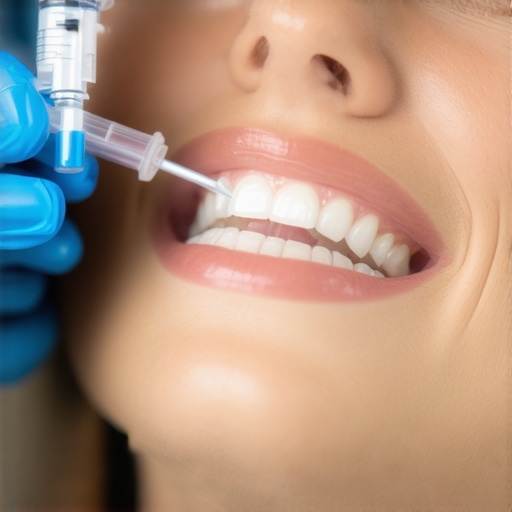
Choose a high-quality, bioactive mineral gel designed specifically for remineralization. Look for products that contain calcium phosphate compounds, which are proven to rebuild enamel. Consulting with your dentist can help you find the best option; for instance, some practices incorporate these gels as part of routine family dentistry—more details at family dentistry tips.
Applying the Gel Effectively
Apply a small amount of gel directly onto the affected areas using a clean fingertip or a custom tray. Think of it as topping up a sponge—they need to be saturated enough to absorb minerals deeply. Move the gel around gently to ensure even coverage, avoiding eating or drinking for at least 30 minutes afterward to allow full absorption.
Incorporating Bioactive Gels into Daily Routine
For lasting benefits, integrate mineral gel application into your daily oral care. Think of it as varnishing a piece of furniture regularly—that’s how maintenance prevents future issues. Use before sleep for optimal absorption, similar to how nightly dental routines seal your teeth against wear and decay. Learn more about adopting effective habits at new habits for plaque control.
Monitoring Progress and Adjustments
Observe your teeth for increased strength and reduced sensitivity over weeks. Regular dental check-ups are crucial; during visits, your dentist can assess remineralization progress with advanced imaging and suggest adjustments, such as doubling down on mineral gel use or combining with fluoride treatments for maximum results. Remember, just like with other cosmetic dentistry innovations, consistency and monitoring are key—see expert advice for more.
Many people believe that brushing more often or using whitening products is the key to perfect teeth, but in reality, these misconceptions can harm your oral health. For instance, overbrushing can erode enamel, increasing sensitivity and decay. Additionally, some think that frequent use of whitening agents is without risk, yet improper application or overuse can damage gums and enamel. Experts warn that ignoring regular dental checkups in favor of DIY solutions might hide underlying issues, leading to costly treatments later. In my experience, neglecting the nuance in oral care routine—such as proper flossing techniques and understanding the longevity of dental materials—can significantly impact long-term results. To truly optimize your dental health, it’s essential to differentiate myth from reality. The American Dental Association emphasizes that personalized, evidence-based strategies outperform generic advice, so consult your dentist about tailored care plans. Have you ever fallen into this trap? Let me know in the comments. For more in-depth insights, check out our article on oral health myths debunked.Maintaining your oral health over time requires not only good habits but also the right tools to support your efforts. As someone dedicated to providing the best advice in cosmetic and family dentistry, I recommend investing in equipment that makes daily care effective and efficient. A high-quality ultrasonic toothbrush, such as the Philips Sonicare DiamondClean, is a game-changer because it provides superior plaque removal without harsh scrubbing, protecting your enamel and gums. I personally use the Sonicare because of its gentle yet thorough cleaning action, which aligns with current research indicating that sonic technology significantly reduces biofilm and improves oral health outcomes. For routine flossing, I advocate for smart flossers like the Quip Electric Floss, which includes integrated sensors to ensure proper technique, reducing the risk of bleeding gums and cavities—especially important as habits evolve in modern dental care. Additionally, incorporating a water flosser like the Waterpik SVG integrates well with a comprehensive oral hygiene routine, especially for family members or those with braces, implants, or sensitive gums. Regular professional cleanings are complemented by at-home tools; for example, devices utilizing laser-guided plaque detection can help identify hidden tartar buildup early, preventing more extensive procedures later. In the future, I predict that AI-enabled oral health sensors and personalized app guidance will become standard, making maintenance more proactive and tailored to individual needs.
How do I maintain my dental equipment over time? Proper maintenance involves regular cleaning of your tools—detaching and rinsing brush heads after use, avoiding water buildup in electronic devices, and replacing brush heads every three months to ensure peak performance. Distinguished studies, like those referenced in the American Dental Association’s latest guidelines, emphasize that consistent use and proper upkeep of these tools are critical for long-term benefits. For example, a recent study in the Journal of Dental Research highlights that early detection and management of biofilm stagnation through advanced devices can double the lifespan of restorations and prevent decay. Don’t undervalue the importance of technological support; try incorporating a smart flosser into your daily routine this week, and experience how it elevates your oral care. Remember, the key to keeping your smile working over years isn’t just about brushes and floss—it’s about using the right tools with consistent, proper maintenance that adapts to your evolving needs. For more tips on enhancing confidence through your oral routine, visit our article on cosmetic dentistry innovations and stay ahead in your dental care journey.What I Wish I Told My Younger Self About Oral Health
- Early in my career, I overlooked the importance of remineralization, believing that fillings and veneers alone would keep smiles perfect. The lightbulb moment came when I realized that strengthening natural enamel is the foundation of lasting oral health, and mineral gels are transforming that approach.
- Initially, I dismissed new technologies like smart toothbrushes and bioactive gels as ‘gimmicks.’ But embracing science-backed innovations has shown me how small daily habits and advanced tools drastically reduce dental issues over time.
- One lesson that changed everything: prevention beats cure. Regularly monitoring and maintaining our oral microbiome with simple yet effective practices can prevent costly treatments and preserve smiles for decades.
Tools and Resources That Changed My Approach
- The Ultimate Guide to Teeth Cleaning Techniques and Benefits: This comprehensive resource deepened my understanding of how proper brushing and special tools can make routine care more effective. I trust it because it’s based on current research and practical advice.
- Family Dentistry Tips That Make Oral Care Effortless: Incorporating these strategies into my practice and personal routine has made a real difference, especially in teaching children healthy habits early on.
- Cosmetic Dentistry Innovations You Can’t Miss in 2026: Staying updated with advancements like nano-bonding and bio-printing has kept my practice ahead and improved patient outcomes.
Seize Your Own Dental Transformation Today
Remember, the path to a confident and healthy smile isn’t just about quick fixes; it’s about informed decisions and embracing the latest proven methods. By integrating innovative tools like remineralization gels and smart oral care devices, you actively take control of your long-term oral health. Don’t wait for problems to arise—start today, and watch your smile flourish.
What’s the first step you plan to take in improving your dental routine? Share your thoughts below, and let’s motivate each other toward healthier, happier smiles!