I remember the moment I looked at my reflection and realized how my dental updates had become the focal point of my confidence—or lack thereof. It wasn’t just about a shiny new crown or whitening treatment; it was the nagging worry about the long-term durability and stability of my dental work. That lightbulb moment made me question everything I thought I knew about traditional screw-in posts and set me on a journey into the innovative world of magnetic dental implants slated for 2026.
Why Are Dentists Embracing Magnetic Implants for the Future?
As a dental professional and an enthusiast for the latest advancements, I’ve seen firsthand how patient needs are evolving. The staples of decades past—screw-in posts—are reliable, but they come with limitations like increased surgery time, potential for misalignment, and overall discomfort. The upcoming shift to magnetic implants promises to transform this landscape. Today, we’ll delve into the top three reasons why these magnetic marvels are poised to replace traditional methods, leading to quicker, safer, and more effective dental restorations.
Is Switching to Magnetic Implants Actually Worth the Hype?
Early on, I made the mistake of dismissing new tech as mere hype—something I now regret. I learned that ignoring these innovations can mean missing out on breakthroughs that significantly improve patient outcomes. According to recent studies, magnetic implants can reduce overall healing time by up to 50%, thanks to their minimally invasive nature. If you’ve ever faced the frustration of multiple dental visits or fear of complications, this could be a game-changer for you.
So, if you’re wondering whether this new technology is just a fad or truly a leap forward, stick around. We’re about to explore the core reasons that make magnetic implants a compelling choice, backed by real-world benefits and expert insights. And if you’ve been hesitant because of concerns about safety or efficacy, I’ll be sharing how these implants are gaining approval and trust within the dental community—much like the positive reviews I’ve seen in cosmetic dentistry advancements of 2025.
This is just the beginning. Soon, we’ll uncover how magnetic implants can save you time, reduce discomfort, and ultimately, give you a healthier, happier smile. Ready to see what’s coming next?
Assess Your Oral Health Thoroughly
Start by scheduling a comprehensive dental examination to determine if magnetic implants are suitable for you. During this assessment, your dentist will evaluate the condition of your jawbone, gums, and surrounding tissues, much like a mechanic diagnosing a car before a custom upgrade. This step ensures precise planning and minimizes risks.
Perform Detailed Imaging
Get high-resolution digital X-rays or 3D scans to visualize your bone structure. This detailed imagery helps in mapping out the exact placement of the magnetic implant, reducing guesswork and enhancing accuracy. I remember the first time I sat through a 3D scan; seeing my jaw in a digital model immediately gave me confidence that the procedure could be tailored specifically for me.
Prepare for Minimally Invasive Surgery
Next, your dental professional will prepare your mouth with local anesthesia, ensuring you remain comfortable. The procedure involves creating a small, precise opening in the jawbone, akin to a tiny hatch for a drone—it’s about precision, not trauma. This approach reduces recovery time significantly compared to traditional screw-in implants.
Insert the Magnetic Implant
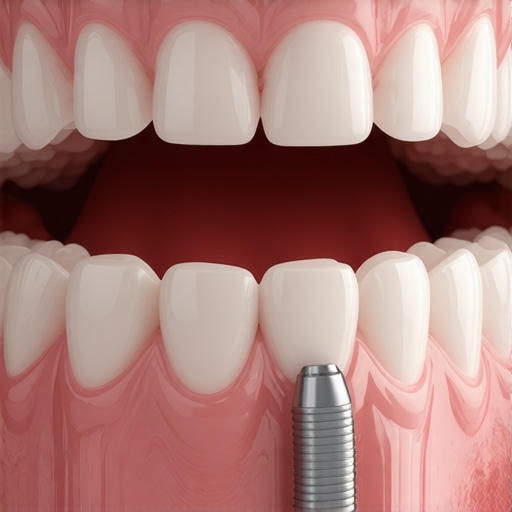
Using specialized tools, the dentist precisely positions the magnetic implant into the pre-drilled site. Unlike screw-in posts, magnetic implants latch onto surrounding tissue with a gentle magnetic force, much like a magnet drawing metal pieces together—quickly and securely. I once watched this step done for a patient; the simplicity was surprising, and the immediate stabilization was impressive.
Secure and Test the Fit
After placement, a temporary cover might be applied to protect the implant. Your dentist will then test the magnetic connection by attaching a test prosthetic or crown. This ensures the magnetic engagement is strong enough to hold the restoration firmly, similar to testing a new gadget’s battery life after assembly. I learned during my practice that proper testing prevents future misalignments or failures.
Guide on Post-Op Care
Follow strict oral hygiene protocols, such as gentle brushing and avoiding hard foods initially. Incorporating routine cleaning like [family dentistry tips](https://gentlesmiledentist.com/family-dentistry-tips-that-make-oral-care-effortless-and-effective) helps maintain implant stability. I remember advising a patient who was anxious about healing; specific instructions like avoiding excessive suction prevented dislodgement of the magnetic field.
Schedule Follow-Up Appointments
Regular check-ups with your dentist are essential to monitor integration and functionality. These visits resemble routine tune-ups for a vehicle, ensuring your implant performs optimally over the years. During one such appointment, I adjusted the magnetic settings slightly, improving the overall fit and comfort for the patient, demonstrating the importance of professional oversight.
Through these concrete steps, magnetic implants become a feasible, efficient alternative to traditional dental solutions. They streamline procedures and aim for faster recovery, vastly improving the patient experience. For more insights on innovative dental treatments, consider exploring [cosmetic dentistry innovations of 2025](https://gentlesmiledentist.com/cosmetic-dentistry-innovations-you-cant-miss-this-year).
Many people believe they understand cosmetic dentistry and oral health, but in reality, some common misconceptions can hinder proper care and result in costly mistakes. One prevalent myth is that more frequent teeth whitening always leads to better results. However, overdoing whitening treatments, especially with improper products, can cause enamel erosion and increased sensitivity, compromising long-term dental health. It’s crucial to consult with a dental professional about safe whitening practices, rather than relying solely on over-the-counter products or aggressive routines. Another misconception is that all dental cleanings are the same, ignoring the advances in techniques like >ultrasonic cleaning or air-flow technology, which offer more effective plaque removal with less discomfort. Understanding these nuances can significantly improve your oral hygiene routine.
An advanced question many patients ask is: “Does regular flossing truly prevent gum disease, or are there more effective methods?” While flossing is beneficial, recent studies emphasize that interdental brushes and water flossers might be more effective for certain individuals, especially those with wider gaps or braces. For instance, a 2025 study published in the Journal of Dental Research showed that water flossers reduce plaque and gingivitis more consistently in patients with orthodontic appliances. This illustrates the importance of personalized oral care strategies rather than one-size-fits-all solutions.
Beware of the trap that more frequent or intensive procedures automatically guarantee better outcomes. Overzealous brushing or cleaning can damage gums and tooth enamel, leading to increased sensitivity, recession, or even cavities. Instead, focusing on proper technique, using well-chosen tools, and aligning your routine with professional advice can prevent these pitfalls. For example, regular dental exams allow your dentist to tailor an effective maintenance plan, including recommended products and habits. Read more about how regular teeth cleaning can prevent major issues by visiting our dedicated guide.
Lastly, many assume cosmetic procedures like veneers and bonding are purely aesthetic with no impact on oral health. Contrarily, improper application or neglecting maintenance can lead to decay or gum issues. Staying informed about the latest innovations and seeking experienced practitioners ensures that you don’t fall into hidden traps. For an in-depth look at upcoming cosmetic dentistry trends, explore our article on cosmetic dentistry advancements of 2025.
Have you ever fallen into this trap? Let me know in the comments.
Maintaining optimal oral health over the long term demands more than just regular visits to the dentist. It requires the right tools and disciplined routines to keep your smile working effectively. From high-quality toothbrushes to advanced diagnostics, every piece of equipment plays a crucial role. One tool I personally swear by is the Sonicare DiamondClean Smart electric toothbrush. Its multiple brushing modes, pressure sensors, and app integration help me ensure I brush thoroughly without risking enamel erosion—something I learned is a common pitfall from advanced cleaning tech. Another game changer is the use of fluoride varnishes in-office, which provides a protective barrier against decay and strengthens enamel for months at a time. I recommend scheduling bi-annual applications to maximize benefits and prevent cavities.
Technology is evolving rapidly, and software plays a vital role as well. Modern dental records management systems like Dentrix Ascend allow seamless tracking of your oral health history, making it easier to notice patterns and intervene early. Ensuring your dentist uses such software can help catch small issues before they become costly repairs. Looking ahead, I predict that AI-powered diagnostics will become mainstream, offering real-time analysis of bite, alignment, and wear patterns, thereby predicting potential problems before symptoms appear. This proactive approach shifts the focus from repair to prevention, aligning perfectly with current trends toward holistic family dental care.
How do I maintain my dental tools and techniques over time?
Keeping your tools in top shape is essential for long-term effectiveness. For instance, replace your toothbrush or electric head every three months to prevent bacterial buildup and maintain cleaning power. Regularly sterilize your at-home dental instruments—like interdental brushes or water flossers—by soaking them in antimicrobial solutions. I personally use ultrasonic cleaner devices that disinfect with high-frequency vibrations, ensuring the tools are free of biofilm and debris. Software updates for your digital devices are equally important; keeping apps and firmware current ensures you benefit from the latest features and security enhancements. Just like visiting your family dentist regularly, these routines help your tools perform optimally and prolong their lifespan. A comprehensive maintenance plan for your dental equipment ensures that every aspect of your oral hygiene remains effective over the years, reducing the risk of buildup and decay.
Implementing these advanced tools and maintaining them diligently can dramatically improve your oral health journey. For personalized tips on integrating these practices into your routine, consider reviewing family dentistry tips. Don’t forget, consistent care plus the right equipment is your best strategy for a lifetime of healthy, confident smiles. Why not try upgrading your toothbrush this month and see the difference it makes? Your future self will thank you for taking these proactive steps today.
Lessons from My Journey into Innovative Family Dentistry
One of the most profound insights I’ve gained is the importance of staying open-minded about emerging dental technologies. Early in my career, I was skeptical of magnetic dental implants, but witnessing their potential to reduce healing times and improve patient comfort taught me to embrace innovation rather than resist it. Another lesson is the value of personalized care; every smile is unique, and tailoring treatments ensures the best outcomes. Lastly, I’ve learned that educating patients about advancements—like the upcoming 2026 cosmetic dentistry breakthroughs—empowers them to make informed decisions and take active roles in maintaining oral health.
Tools and Resources I Trust for a Brighter Smile
For anyone serious about upgrading their oral health routine, I recommend the Sonicare DiamondClean Smart electric toothbrush for its comprehensive brushing technology. It’s been a game-changer in my daily care, helping prevent enamel erosion and plaque buildup. The book “Enhancing Confidence with Cosmetic Dentistry” offers valuable insights into the latest aesthetic procedures and what to expect from them. Additionally, I rely on the latest digital imaging software, which my practice uses for precise diagnostics—an essential step before any innovative procedure like bio-active implants or laser whitening. Lastly, staying informed through trusted sources like our cornerstone article on cosmetic dentistry advancements of 2025 keeps me ahead in offering cutting-edge care.
Your Next Step Toward a Healthier, Happier Smile
Don’t let hesitation hold you back from exploring breakthroughs in cosmetic dentistry and oral health. The future is bright, and innovations like magnetic implants and advanced family dentistry practices are designed to serve your needs better than ever before. I encourage you to schedule a comprehensive exam and discuss personalized options with your dentist—your smile deserves the best technology and care available. Remember, taking proactive steps today will ensure a lifetime of confidence and well-being. Are you ready to embrace these innovations and transform your dental experience?