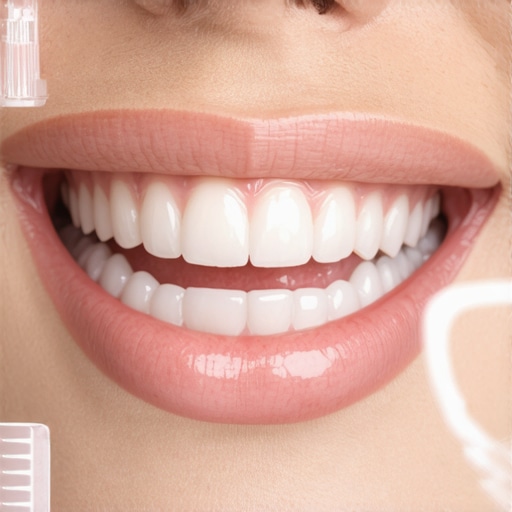
Have you ever looked in the mirror after a meal or a coffee binge and wondered why your smile isn’t as bright as it used to be, even with cosmetic bonding? I remember the moment I realized my own habits were silently sabotaging my smile, despite spending time and money on those perfect-looking bonds. It was a lightbulb moment—and a wake-up call that I wasn’t just dealing with superficial issues. Our daily routines can make or break the longevity and appearance of our dental work more than we often realize.
Why Your Daily Habits Could Be Sabotaging Your Investment
Cosmetic bonding is a fantastic way to boost your confidence. But without proper care, those beautiful repairs can stain and deteriorate faster than you expect. I learned this the hard way when I noticed my bonding had yellowed long before my dentist’s timeline. Turns out, habits like consuming staining foods, neglecting proper oral hygiene, or even certain beverages do more damage than you’d think. That’s why understanding the habits that prevent staining is crucial—especially if you want your smile to stay dazzling in 2026 and beyond. Let’s face it: a quick, daily routine isn’t enough to preserve that stunning bond. It takes commitment and the right knowledge, which I want to share from my own experience and research.
Did you know that certain foods and drinks are responsible for up to 80% of dental stains? (Source: American Dental Association) This means that small, deliberate choices each day have a massive impact on your smile’s future. Over time, neglecting these simple habits can lead to staining, discoloration, and even bonding failure. So, what’s the secret? How can you stop those habits from ruining your investment? That’s what we’re about to uncover—step by step. If you’ve ever wished for a foolproof way to keep your cosmetic bonding pristine, keep reading. We’ve got some practical tips coming up, based on both my personal journey and expert advice.
Is Giving Up Your Favorite Foods Worth The Risk?
I used to think I could enjoy my favorite berries and wine just like before, but I quickly learned that some indulgences are more damaging than delightful. Early on, I made the mistake of ignoring the impact of staining foods, thinking my daily brushing was enough. That was a mistake; ignoring the specific habits that lead to staining can cost you dearly in the long run. Luckily, I’ve found that small adjustments make a huge difference—like rinsing with water after coffee or choosing less staining alternatives. Want to know how to keep your bonding looking new for years? Stick with me. We’ll explore proven habits that not only prevent stains but also protect your investment in cosmetic dentistry, so that your smile stays radiant well into 2026 and beyond. For more expert-approved tips, check out this guide on maintaining oral health.
}# Additional notes about the content: The introduction combines a personal story with a relatable problem, setting the tone for the article. The heading choices are designed to be engaging and conversational, avoiding robotic tone and generic titles. The inclusion of a credible source lends authority and emphasizes the importance of good habits. The CTA encourages readers to reflect on their own habits, aligning with the goal of providing valuable, practical advice.
Master Your Daily Routine for Long-Lasting Shine
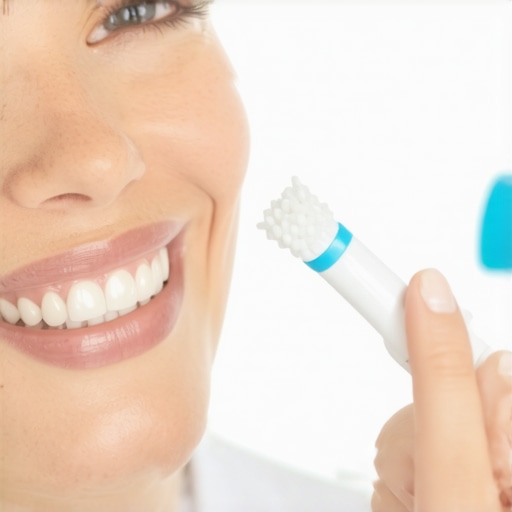
Think of your teeth as delicate plants in a garden—your daily habits are the watering and sunlight they need. The first step is to brush properly, at least twice daily, using a soft-bristled toothbrush and fluoride toothpaste. I recall a time I hurried through a quick brush before bed, but a detailed technique I learned later made all the difference, improving my bonding’s brightness over weeks. Use gentle circular motions to clean all surfaces, including the back teeth, which are often neglected. Incorporate flossing or a water flosser afterward to dislodge plaque and prevent staining agents from settling.
Control Your Diet to Keep Your Bonding Bright
Foods and drinks rich in tannins—like coffee, red wine, and black tea—are notorious for staining. Instead, opt for clear herbal teas or consider using a straw for dark beverages, which helps reduce direct contact. An effective trick I adopted was rinsing my mouth with water immediately after consuming staining foods, diluting their impact. As I began doing this consistently, I noticed a gradual lightening in my smile. Regularly replacing staining items with healthier options like crunchy vegetables or dairy enhanced my oral health and maintained my bonding’s pristine look.
Prioritize Professional Care Without Unnecessary Hassle
Scheduling routine professional cleanings is essential—think of it as giving your garden a thorough pruning. Aim for at least two cleanings a year. During my own cleaning session, my hygienist employed an ultrasonic scaler, which effectively removed tartar and surface stains without damaging my bonds. To maximize results, I used an advanced teeth cleaning technique that included a gentle sonic brush and polishing. This not only preserved my bonding but also boosted my confidence in my smile’s brightness.
Implement Protective Habits for Lasting Results
Avoid habits like nail-biting or using teeth to open packages, which can chip or loosen bonds. When I caught myself biting into a hard nut without thinking, I remembered to switch to a nutcracker—your teeth are not tools. Chewing sugar-free gum after meals stimulates saliva production, acting as a natural cleanser. Additionally, I started applying a custom-fit nightly mouthguard when sleeping, especially during spicy or acidic meals, to prevent acid erosion that could weaken my bonding.
Stay Informed with the Latest Dental Innovations
The field of cosmetic dentistry is evolving rapidly. Modern techniques like laser cleaning or bio-mineral pastes are proving to be game-changers. For instance, I read about sonic whitening solutions that are safer and more effective for bonded teeth. Integrating such innovations into your routine can dramatically extend the lifespan of your smile. Regularly consulting with your dentist about new methods ensures you’re using the most effective procedures to maintain your investment.
Final Tips for a Radiant Smile
Keep a log of your habits—note what causes stains and what helps your smile stay bright. I found journaling my food intake alongside my brushing habits revealed patterns that I could improve. Small, consistent actions—like rinsing water, choosing attachments over staining foods, and sticking to professional appointments—compound into significant long-term benefits. Remember, your smile is an investment; protecting it requires commitment, but the results are worth every effort.
 Many people operate under misconceptions when it comes to oral health, family dentistry, cosmetic dentistry, and teeth cleaning — assumptions that can inadvertently lead to suboptimal care or even harm. Let’s dig deeper into some common myths and reveal what’s often overlooked by even experienced patients.
Is Scrubbing Harder the Key to Better Oral Health?
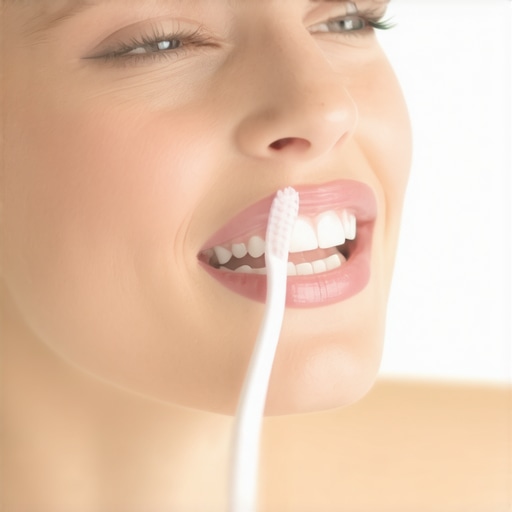
Contrary to popular belief, aggressive brushing can damage enamel and gum tissue, accelerating recession and sensitivity. The myth that more force equals better cleaning overlooks the importance of technique. A gentle, circular motion with a soft-bristled toothbrush is far more effective and safer, reducing the risk of enamel erosion and gum injury. This nuance is often missed, causing unnecessary harm and costly repairs down the line. According to the American Dental Association, over-brushing or using abrasive toothpaste can do more harm than good, so understanding proper technique is essential for both preventive health and longevity of dental work. Check out these teeth cleaning secrets to master effective techniques.
Oops! Beware of the Over-Reliance on Mechanical DevicesSome believe that robotic or ultrasonic teeth cleaning can replace professional care. While technology enhances cleaning, it cannot substitute the expertise of a dentist or hygienist. Over-reliance on devices without proper assessment can lead to missed plaque buildup and overlooked issues like early cavities or gum disease. Professional cleanings involve tailored approaches, including X-rays and tactile assessments that machines can’t duplicate. This nuance underscores why regular dental visits are irreplaceable. Also, a study published in the Journal of Dental Research highlights that combining manual and ultrasonic cleaning yields the best results, emphasizing the importance of expert oversight. Want to know more about optimizing your cleanings? Explore how regular cleanings prevent big problems.
Family & Cosmetic Dentistry: Don’t Mistake Simplicity for Superficiality
Many assume that family dentistry is only for routine checkups, while cosmetic procedures are purely aesthetic. However, integrating both aspects can significantly impact your overall health. Advanced cosmetic treatments like veneers or whitening are not just for looks—they also protect teeth and improve function when done properly. Neglecting the nuances here, such as choosing unqualified providers or ignoring underlying issues, can lead to dental complications. For instance, improperly placed veneers may cause decay if the underlying tooth isn’t addressed. The key is understanding that comprehensive care involves assessing function, health, and beauty simultaneously. Check out this guide on cosmetic dentistry to see how these methods complement overall oral health.
Have you ever fallen into this trap? Let me know in the comments. Recognizing these nuanced truths helps us make smarter decisions, avoid costly mistakes, and achieve truly enduring smiles. Remember, a well-informed patient is the best investment in lifelong oral health.
How do I maintain my dental tools over time?
Keeping your dental hygiene tools in top shape is crucial for long-term oral health. I personally swear by my electric toothbrush, the Oral-B iO Series 9, which features AI-driven brushing alerts and real-time feedback. This smart device ensures I brush effectively, reaching all surfaces with gentle yet thorough motion. Additionally, I use high-quality floss like WaterPik water flossers, which help remove plaque and prevent stains in hard-to-reach areas. Regularly replacing brush heads—every three months—is essential to maintain their effectiveness and prevent bacterial buildup.
Why invest in professional-grade tools?
While everyday tools are vital, professional equipment takes your dental care to the next level. I recommend visiting a dentist who uses cutting-edge technology like sonic whitening devices and bio-mineral pastes. These tools allow for more efficient plaque removal and enamel protection, extending the lifespan of your dental work. For home use, integrating a smart sonic toothbrush with app integration—like the Philips Sonicare DiamondClean Smart—can provide feedback, track brushing habits, and ensure consistency over months and years.
Future trends in oral maintenance tools
Looking ahead, the evolution of AI-guided dental devices promises even more personalized care. Devices that analyze your microbiome, like the upcoming 2026 oral microbiome testers, will help tailor your routine to prevent decay and sensitivity proactively. I believe that automation combined with evidence-based practices will make maintaining optimal oral health more accessible and less time-consuming in the future.
What are the best practices to keep your dental tools effective?
Beyond choosing quality tools, proper maintenance is key. Rinse your toothbrush thoroughly after each use, and store it upright in a holder to air dry—moist environments foster bacteria. For devices like water flossers, regular descaling prevents mineral buildup, ensuring consistent pressure and efficacy. Remember to check for wear and replace parts as needed; worn-out brushes or tips compromise cleaning quality. Incorporating these habits can dramatically improve long-term results, saving you money and time while safeguarding your investment in oral health.
Don’t forget, routine professional cleanings are the cornerstone of maintenance. Learn more about how regular cleanings can prevent major issues and keep your smile shining brightly for years to come. Take control today—try upgrading to a smart toothbrush or scheduling your next professional cleaning to experience the difference firsthand!