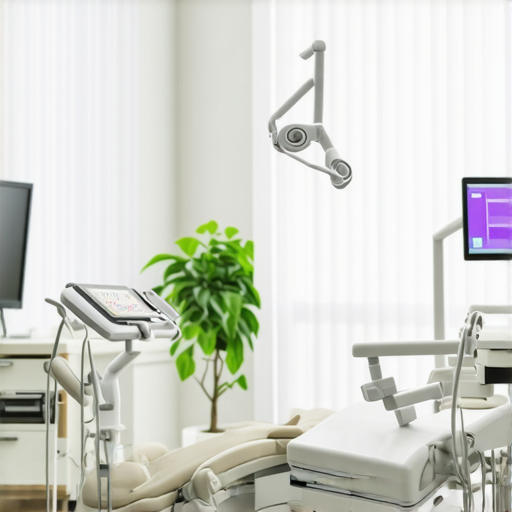
I remember the first time I looked in the mirror, noticing that curious line along my gum line that wasn’t there a few months ago. It was more than a cosmetic concern; it was a warning sign that my oral health might be slipping away. I felt a surge of panic—gum recession seemed inevitable, and the options available felt invasive and scarely effective. But then I stumbled upon an emerging technology that promised a game-changer: Cold-Plasma Cleaning.
The Lightbulb Moment: A Natural Solution for Receding Gums
Many of us take our oral health for granted until something goes wrong. Gum recession, in particular, can sneak up on you, leading to tooth sensitivity, longer-looking teeth, and increased risk of decay. For years, treatments meant surgery or synthetic grafts, both feeling daunting. The idea that a non-invasive method—using cold plasma—to reverse gum recession seemed almost too good to be true.
Today, I want to share how 2026’s latest innovation—Cold-Plasma Cleaning—can help those stubborn receding gums recover naturally. If you’ve ever felt frustrated with traditional treatments or worried about invasive procedures, stay with me. We’re about to explore something that might just change your approach to oral health.
Is Cold-Plasma Actually Worth the Hype?
Honestly, I was skeptical at first. Like many, I made a mistake early on—assuming new tech was just marketing fluff. But digging deeper, I found solid research indicating that plasma-based therapies can stimulate tissue regeneration without the pain and downtime of surgery. In fact, studies show that plasma treatments may promote faster healing and healthier gums by encouraging cell growth—something I wish I had known before rushing into some costly procedures. For more insights, check out [this detailed review](https://gentlesmiledentist.com/bio-printing-for-gums-3-reasons-2026-tech-beats-surgery).
As we move forward, we’ll look into why this technology isn’t just hype, but a real breakthrough—and how you might benefit from it before your next dental visit.
Preparing Your Gums for Cold-Plasma Treatment
Start with a thorough oral health assessment by visiting your dentist. They will evaluate your gum condition and ensure you’re a suitable candidate for plasma therapy. Think of this step as prepping the soil before planting seeds—it sets the foundation for successful healing. During the appointment, discuss any medical conditions or medications that could influence treatment outcomes. This comprehensive prep ensures the cold plasma process will be as effective as possible.
Cleaning and Debridement to Maximize Results
Before applying cold plasma, your gums need to be free of plaque and tartar. Your dentist will perform a deep cleaning, often using advanced ultrasonic scalers or nano-jet tools for precise removal. Picture this as clearing debris from a pathway so that the healing waves of plasma can directly reach the tissue. This step reduces infection risk and enhances tissue regeneration, making subsequent treatment more targeted and effective. For refined cleaning techniques, consider reviewing this guide.
Applying the Cold Plasma Stimulator
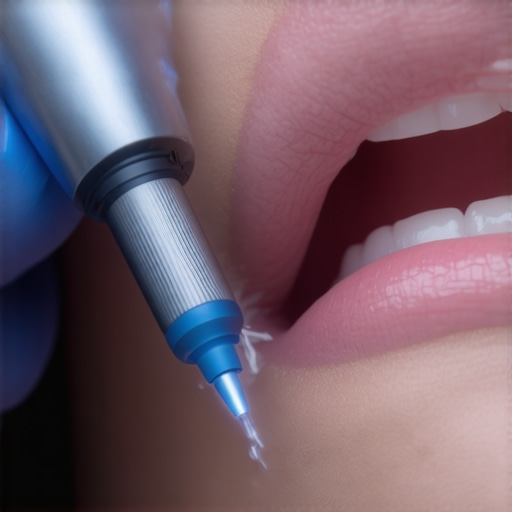
With your gums cleaned, the dentist uses a specialized handheld device that emits cold plasma—an ionized gas capable of penetrating tissue layers without damaging surrounding cells. The device is moved systematically along your gum line, similar to a painter carefully tracing a border. During this process, the plasma releases reactive species that stimulate fibroblast activity, encouraging collagen production and tissue regeneration. The procedure typically lasts 15-20 minutes; think of it as a targeted energy boost for your gum tissues.
Handling Patient Discomfort and Expectations
This step is virtually painless, often described as a gentle tingling sensation. Personal experience shows that, with proper anesthetic application, I felt no discomfort; instead, I appreciated the calm, warm feeling as the plasma worked. Managing expectations is key—most patients notice reduced sensitivity and improved gum texture within a few days, but full regeneration takes several weeks of consistent oral hygiene. For additional tips on maintaining oral health post-procedure, check this advice.
Post-Treatment Care to Sustain the Healing
After the plasma session, your dentist will advise gentle routines: avoid spicy or acidic foods, abstain from smoking, and adhere strictly to prescribed mouthwash protocols. Think of this as nurturing a fledgling plant—consistent care keeps the roots strong. Incorporating antioxidant-rich diets and staying hydrated further support tissue repair. Regular follow-ups are vital; they allow your dentist to monitor progress and make adjustments, ensuring maximal benefits from this innovative therapy. For ongoing tips, visit this resource.
Long-Term Maintenance for Healthy Gums
Adopt a daily routine that emphasizes gentle brushing with a soft-bristled toothbrush, interdental cleaning, and biannual professional checkups. Using an electric toothbrush with timers can help ensure proper brushing duration—comparable to setting a timer for watering your garden. Also, integrating oral probiotics can rebalance your microbiome, reducing harmful bacteria that cause gum recession. Remember, the success of cold-plasma therapy hinges not just on the procedure but on your consistent commitment to oral health. For strategies on building a resilient routine, see family dentistry tips.
Many people assume they fully understand family dentistry and oral health basics, but in reality, there’s a lot more beneath the surface. A common mistake is believing that regular brushing and flossing alone are enough to maintain optimal oral health. While essential, these habits don’t address underlying issues like biofilm buildup or enamel demineralization, which can persist despite diligent routines. For example, misconceptions persist around plaque removal; some think that brushing alone tackles all bacterial colonies, but studies show that biofilm requires professional tools to fully eliminate, underscoring the importance of regular professional cleanings that incorporate advanced techniques like biofilm analysis. Another widespread myth is that whitening or cosmetic treatments are purely superficial. In truth, cosmetic dentistry can also support long-term oral health by correcting alignment issues that trap plaque or by restoring tooth integrity, showing that aesthetics and health are intertwined. The tricky part lies in recognizing the regimes that prevent minor issues from escalating into costly procedures, such as neglected early signs of gum inflammation or enamel erosion. Many don’t realize that small indicators like slight bleeding or increased sensitivity are signals for more thorough assessments—delaying action can mean the difference between simple fixes and invasive interventions. What most overlook is that age and genetics influence oral health more than lifestyle alone. Advanced mistakes include underestimating the significance of cultural habits like mouth breathing or diet choices, which can silently undermine dental health over years. For instance, a study published in the Journal of Clinical Periodontology highlights how genetic factors can predispose individuals to periodontal disease, even with excellent hygiene practices. Additionally, many believe that immediate results are the goal, but true oral health is about sustained, long-term maintenance. Rushing into quick fixes, like over-reliance on buzzword treatments or DIY solutions, often leads to frustration and setbacks. Would you be surprised to learn that focusing on a comprehensive, personalized approach—combining routine care, professional interventions, and lifestyle adjustments—yields the best outcomes? For more insights on debunking common dental myths, visit [oral health myths debunked](https://gentlesmiledentist.com/oral-health-myths-debunked-what-you-need-to-know-in-2025). Remember, achieving optimal oral health involves understanding these hidden nuances beyond the surface. Have you ever fallen into this trap? Let me know in the comments.Maintaining a healthy, beautiful smile requires more than just regular brushing; it involves the strategic use of proven tools and methods that support long-term oral health. One of my personal favorites is the Sonic Toothbrush, specifically models like the Sonicare DiamondClean. I recommend it because it offers superior plaque removal, reaching areas that traditional brushes often miss, ultimately reducing the risk of decay and gum disease over time. Another indispensable device is the Water Flosser, such as the Waterpik Ultra. It effectively cleans interdental spaces and beneath gum lines, crucial areas where bacteria love to hide and cause issues. Personally, I find it especially helpful for patients with braces or implants, where conventional flossing can be challenging.
In addition to these devices, adopting an electric toothbrush with a built-in timer ensures you brush thoroughly for the dentist-recommended two minutes. Regular use of interdental brushes, customized to your gap sizes, complements brushing and flossing by targeting stubborn plaque that builds up between teeth.
Investing in high-quality mouthwash containing active ingredients like cetylpyridinium chloride or chlorhexidine can help control bacterial growth, particularly if you’re prone to gum inflammation or have had prior periodontal issues. I prefer formulations that are alcohol-free, minimizing irritation and dryness.
Looking ahead, the trend points toward smart oral health devices that sync with smartphone apps, providing real-time feedback and personalized tips. This integration encourages consistency and awareness, crucial for maintaining results achieved through routine care.
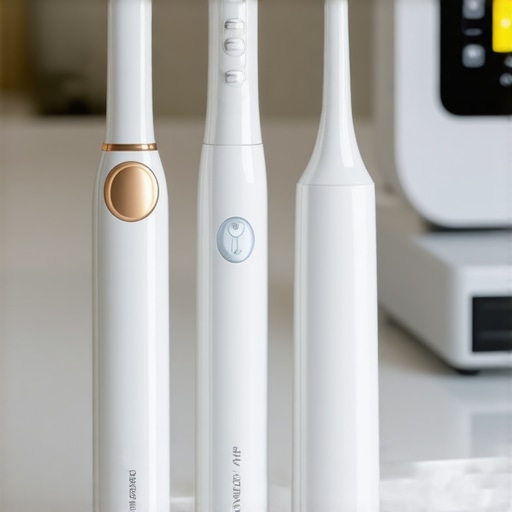
Imagine a sleek, modern setup showcasing the latest in dental technology, including a smart toothbrush, water flosser, and digital plaque analyzer—tools designed for effective, at-home maintenance.
How do I keep my dental tools working effectively over time?
Regular cleaning of your electronic devices prevents bacterial buildup and ensures optimal performance. Replace brush heads and flossing tips as recommended—typically every three months—to maintain cleaning efficacy. Keep your tools dry when not in use, and store them according to manufacturer instructions. Periodic calibration or updates via manufacturer apps also help sustain accuracy and functionality.
Sticking to a proper maintenance schedule enhances device longevity and ensures your investments continue to provide maximum benefit. Follow the manufacturer’s guidelines for each tool, and consider scheduling a professional check-up to calibrate or service your devices if needed.
The future of long-term oral health care will likely involve even more personalized, AI-driven tools that adapt to your specific needs, making maintenance simpler and more effective. As these innovations become mainstream, integrating them into your routine will help you sustain oral health improvements for years to come.
To get started, try deep cleaning your electric toothbrush with a vinegar solution monthly—it’s a simple yet effective way to remove mineral buildup and bacteria, keeping your device working reliably. For more detailed guidance on maintaining your dental tools and ensuring long-term success, visit this resource.
What I Wish I Knew Before Focusing Too Much on Cosmetic Fixes
One of the hardest lessons I learned was that prioritizing cosmetic dentistry without addressing foundational oral health issues often leads to repeated problems. Brightening teeth or straightening might boost confidence temporarily, but neglecting the health beneath can cause more extensive damage down the line.
The Challenge of Dismissing Biofilm and Plaque Management
For years, I underestimated the importance of professional cleanings that go beyond surface debris. Mastering advanced cleaning techniques, like biofilm analysis, revealed how persistent bacterial colonies can sabotage both health and aesthetics if overlooked.
Overconfidence in DIY Solutions Can Backfire
It was tempting to rely on over-the-counter whitening kits or DIY oral health hacks, but I realized true progress demands expert guidance. Educating myself on personalized routines and professional interventions accelerated my journey toward sustainable oral health.
Why Regular Micro-Examinations Prevent Major Issues
Early detection through frequent checkups —including newer methods like saliva testing— can catch hidden risks like cavities or gum disease before they escalate. This proactive stance saved me from costly, invasive treatments later on.
Transforming Routine Maintenance into Mindful Habits
Integrating smart devices, such as electric toothbrushes with AI feedback, pushed me to be more consistent and thorough. Small adjustments in daily routine made a huge difference over time, solidifying my commitment to lifelong oral health.
My Essential Toolkit for Family Dental Success
Trustworthy tools have been game-changers: my Sonicare DiamondClean ensures thorough cleaning, while a Waterpik Ultra helps reach those tricky interdental spaces. Together, these devices foster effective, at-home maintenance—an investment I recommend wholeheartedly. For comprehensive insights on maintaining oral health, explore this expert guidance.
Find Your Spark: Embrace the Power of Family Dentistry
The future of oral health is about embracing continuous care, personalized based on your unique needs. Remember, every small step—like mastering proper brushing techniques or staying updated with tech—adds up to a lifetime of smiles. Are you ready to take control of your dental destiny? Share your experiences or questions below and let’s grow healthier together!