
I remember it vividly: Labor Day weekend, a backyard barbecue, and a piece of corn on the cob that changed everything. One crunch, and suddenly there was a sharp, metallic gap where my molar used to be. The panic was immediate. I spent the next three days in a state of absolute dread, convinced my entire tooth would need to be pulled by Tuesday. I even made the rookie mistake of trying to shove a piece of sugar-free gum into the hole—a move that just made the sensitivity ten times worse and left me scrubbing at my gums with a toothbrush for an hour. It was a miserable way to spend a long weekend, and looking back, I realize I could have saved myself so much stress if I’d known the right way to manage it.
Keep Your Cool When Your Filling Quits on You
You are not alone in this; dental emergencies have a cruel sense of timing. Whether it’s a holiday or a random Sunday, knowing the first thing to do when your tooth filling falls out can be the difference between a minor annoyance and a total meltdown. The reason we’re talking about this today is simple: an exposed tooth is vulnerable. When that protective layer of composite or silver is gone, the inner dentin—and sometimes the nerve—is suddenly fighting off every temperature change and piece of debris you throw at it. If you don’t act quickly but calmly, you risk an infection that could turn a simple refill into a much more complex procedure. According to the American Dental Association, dental-related emergency room visits often peak during holiday periods because people don’t have a plan for at-home stabilization. I want to make sure you aren’t one of those statistics.
Can I really wait forty-eight hours without losing the tooth?
The short answer is yes, but only if you’re smart about it. The fear is always that the tooth will crumble or an abscess will form the second the air hits it. In reality, your mouth is a pretty resilient place, but you have to stop the irritation immediately. Back when I had my Fourth of July disaster, I didn’t realize that the fast way to soothe a sore tooth on a Sunday isn’t through home remedies like clove oil (which can burn your gums if you’re not careful) but through creating a temporary barrier. I once ignored a slight wobble in a restoration for weeks, and by the time I sought help, the decay had reached the nerve. Don’t be like younger me. If your crown feels loose specifically when you eat bread or other sticky foods, the holiday weekend is the time to go into protection mode, not ‘ignore it and hope for the best’ mode. Have you ever had a dental disaster strike right as the long weekend started? I’d love to hear how you handled the stress. It’s also worth checking where to go for a middle-of-the-night dental emergency in Culpeper just so you have a backup plan ready to go before the Tuesday morning rush.
Clean the Cavity Without Causing More Pain
First, grab the lost piece if you haven’t swallowed it. It is like finding a screw that fell out of your glasses; you might not be able to put it back yourself, but your dentist will want to see the shape of the failure. Rinse your mouth gently with warm salt water. This is not just an old wives’ tale; it is a way to flush out food debris that can rot in the cavity and cause a massive infection. Avoid using a toothpick or any sharp metal objects to dig around in the hole. I learned this the hard way during a camping trip in my twenties when I tried to use a safety pin to remove a stray piece of trail mix from an open cavity. All I did was poke the nerve and send a lightning bolt of pain straight to my jaw. Instead, use a soft-bristled brush or a gentle swish to keep the area clear. Maintaining this cleanliness is similar to the care required in teeth cleaning secrets that achieve a bright smile in under 30 minutes, where precision and gentleness are key to avoiding irritation.
Seal the Gap with Store-Bought Cement
Go to the nearest pharmacy and look for an over-the-counter dental repair kit. These usually contain a zinc oxide material that acts as a temporary barrier. Think of it like a temporary patch on a leaky roof; it is not a permanent fix, but it keeps the elements out. When you apply it, make sure the tooth is as dry as possible. Use a piece of sterile gauze or a cotton swab to dab the area before pressing the material in. If the tooth is too wet, the cement will not bond, and you will find yourself swallowing it within the hour. This is a vital skill for anyone learning how to fix a chipped tooth at home until you see a dentist. I once helped a friend apply this during a late-night study session, and the trick was using a tiny amount of material—too much and your bite will feel ‘high,’ which actually causes more jaw pain in the long run.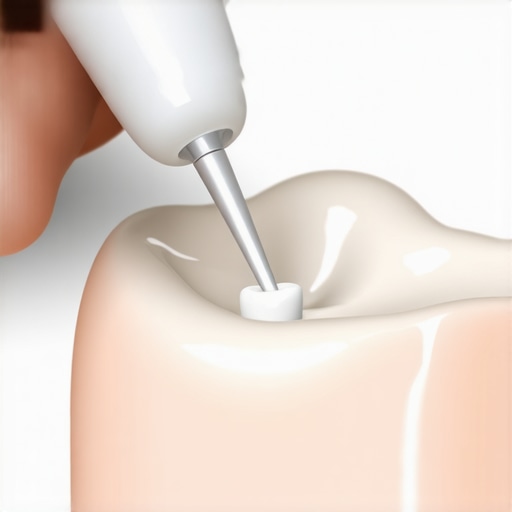
Keep the Air Out to Stop the Nerve from Zapping
The sharp, electric shock you feel when you breathe in cold air is the result of your dentin being exposed to the environment. If you do not have a repair kit, you can use a small piece of orthodontic wax or even a sugar-free gum (as a absolute last resort and only if it is truly sugar-free) to cover the opening. This physical shield is essential to how to stop cold water from triggering sharp nerve pain in one tooth. While you are waiting for your appointment, stick to lukewarm liquids. Your tooth is currently in a state of high alert, and any extreme temperature will trigger an inflammatory response. Incorporating family dentistry tips that make oral care effortless and effective into your routine now, such as identifying early sensitivity, can help you catch these issues before the filling actually falls out. If the ache becomes a dull, constant throb, it might mean the pulp is already irritated, so prioritize keeping the area covered and clean until you can get professional help.
Stop Scrubbing Your Enamel Away
You’ve probably heard that brushing twice a day is the golden rule, but here is the nuance: how you brush is more important than how often. Most of my friends think they need to scrub their teeth like they are scouring a cast-iron skillet. This is the ‘Oops’ factor that leads to permanent damage. When you use too much force, you aren’t just removing plaque; you’re literally sanding down your enamel and pushing your gum line back. This is why following gentle teeth cleaning best practices for sensitive gums is actually more effective for long-term health than an aggressive five-minute scrub. A study published in the Journal of Clinical Periodontology highlights that nearly 50% of the population has some form of gingival recession, often exacerbated by improper brushing techniques rather than a lack of hygiene. Have you ever fallen into this trap of brushing too hard? Let me know in the comments.
The Functional Reality of a Cosmetic Upgrade
There is a common myth that cosmetic work is purely about vanity. In reality, modern treatments are often the most effective way to restore structural integrity to a mouth that’s seen better days. When we talk about the impact of cosmetic dentistry in 2025, we are looking at materials that mimic the strength of natural teeth while correcting bite issues. However, the ‘trap’ many fall into is DIY whitening. People often ignore underlying issues and reach for a box of strips, only to find the reason your gums look receded after using whitening strips is the chemical irritation of already vulnerable tissue. Before jumping into any aesthetic changes, you must address the foundation, which is why how regular dental cleanings can save you money in the long run by catching these nuances before they require expensive reconstruction.
Is it possible to over-clean your way into a dental emergency?
Surprisingly, yes. Over-cleaning isn’t just about physical pressure; it’s about the frequency of using abrasive substances. I’ve seen patients use charcoal or baking soda daily, thinking they are being extra diligent, but they are actually stripping the protective layer that prevents a root canal versus a standard filling from being your next topic of conversation. This is one of the biggest oral health myths busted by professionals: your mouth needs a balance of bacteria and a protected enamel surface to thrive. If you’ve been using high-abrasion toothpastes or DIY hacks, you might be setting yourself up for an emergency visit. Real expertise in maintaining oral health and expert advice involves understanding that the goal is a healthy ecosystem, not a sterilized, sanded-down surface. Keeping that nuance in mind will save you from the panic of an unexpected dental failure.Once you stop the aggressive scrubbing and start respecting your enamel, the next logical step is upgrading the equipment you use every single day. I used to be a manual toothbrush loyalist, thinking I could ‘feel’ the clean better. I was wrong. I finally switched to a sonic toothbrush with a built-in pressure sensor, and it was a revelation. Most of us don’t realize that even a slightly too-firm press can trigger recession over time. This is why I always recommend tools that do the thinking for you. For instance, the latest smart brushes now sync with apps to show you exactly which spots you’re missing. This isn’t just a gimmick; it’s about gentle teeth cleaning best practices for sensitive gums that actually work in real-time. If you haven’t made the switch to a brush that vibrates at 31,000 strokes per minute, you’re essentially trying to mop a floor with a toothbrush while someone else is using a power washer.
How can I actually keep my smile healthy as I get older?
Maintenance isn’t just about the surface of the tooth; it’s about the architecture underneath. As we age, our teeth naturally want to move, which is why how to keep your teeth from shifting after wearing braces or even just natural aging becomes a top priority. I personally use interdental brushes—those tiny little ‘Christmas tree’ brushes—because they reach the concave areas of the tooth that floss simply skips over. In fact, Dr. Howard Farran, a renowned dental educator, often emphasizes that the ‘floss or die’ mantra is evolving; it’s now more about ‘disrupt the biofilm’ by any means necessary. If you hate traditional flossing, a water flosser is your best friend. I use mine on the ‘pulse’ setting every night before bed, and it has significantly reduced my gum inflammation. This kind of consistency is exactly how regular teeth cleaning can prevent major dental issues before they require a needle and a drill.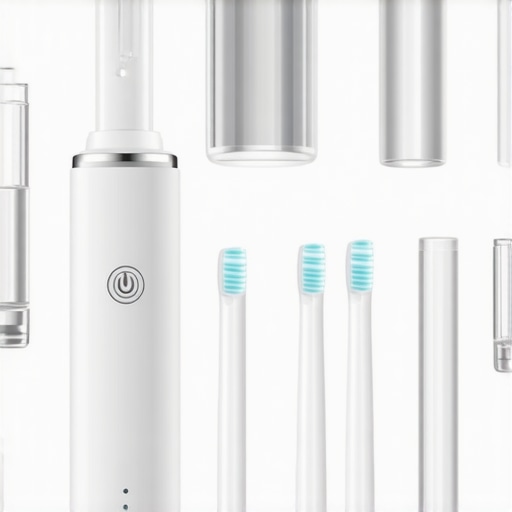 Looking ahead, I predict that by 2025, we will see even more AI-driven diagnostics integrated into our home routines. We are moving toward a world where your bathroom mirror might tell you if your pH levels are off. For now, the most revolutionary step you can take is adopting revolutionary teeth cleaning techniques for 2025 like using hydroxyapatite toothpaste to remineralize your enamel while you sleep. It’s a game-changer for those of us with history of ‘soft’ teeth. I challenge you to try one advanced tool this week—whether it’s a water flosser or a sonic brush—and pay attention to how much smoother your teeth feel by Friday. You’ll find that maintaining oral health and expert advice is less about luck and more about the precision of your daily kit.
Hard-Won Truths from My Dental Journey
After years of navigating the ups and downs of my own dental health, I’ve realized that pain is often the loudest signal, but not the earliest. One of the biggest lightbulb moments for me was learning the difference between a cracked tooth and a craze line. Not every line on your tooth is a crisis, but knowing which is which can save you a world of anxiety. Another lesson? Don’t wait for a breakdown to fix a foundation. If you’re struggling with fear, you can manage dental anxiety without using heavy drugs just by being proactive with your hygiene and finding a team you trust. Finally, remember that your gums are the silent anchors of your smile; if they aren’t healthy, even the best dental work won’t last.
The High-Tech Essentials That Actually Save Your Enamel
#IMAGE_PLACEHOLDER_E#I swear by a few specific tools that have moved the needle for me more than any standard manual brush ever could. First, a high-quality water flosser is non-negotiable for cleaning tight spaces where bacteria hide. Second, switching to a toothpaste with hydroxyapatite has helped me naturally strengthen my enamel without the sensitivity that comes from many harsh whiteners. I also suggest looking into revolutionary teeth cleaning techniques for 2025, such as using pH-balanced mouth rinses that support your oral microbiome rather than stripping it away. These aren’t just gadgets; they are investments in avoiding that emergency chair.
Small Daily Wins Lead to Years of Healthy Smiles
At the end of the day, your oral health is a marathon, not a sprint. It’s the two minutes of gentle brushing and the careful selection of what you eat that build a smile that lasts a lifetime. If you’re feeling overwhelmed by where to start, just focus on one small change this week. Whether it’s finally scheduling that check-up or swapping out an old brush, your future self will thank you. If you need personalized guidance on your next steps, don’t hesitate to contact us and let our team help you map out a plan. What is one dental tool or habit you’ve been curious about trying but haven’t started yet? Let me know below.