
I spent years hiding my smile behind my hand. Not because I was shy, but because of a stubborn, grayish-blue band across my front teeth that no amount of brushing could touch. It felt like I was wearing a permanent shadow. If you grew up in the era where tetracycline was the go-to antibiotic for every childhood ear infection, you know exactly the “bruised” look I’m talking about. I’ll be honest: I wasted hundreds of dollars on those fancy-looking kits from the pharmacy aisle, hoping for a miracle that never came. Today, I want to walk you through why those deep, internal stains are a completely different beast compared to your morning coffee habit and why a pro is the only one who can actually move the needle.
The Frustrating Reality of Internal Tooth Discoloration
Most people don’t realize that tetracycline stains aren’t sitting on the surface of your enamel. They are baked into the dentin—the layer beneath the surface—during the time your permanent teeth were still forming. This is why the one mistake people make when trying to whiten gray teeth is assuming they can just “scrub” the color away. I certainly tried. I once used a charcoal-based scrub so aggressively that I ended up with receding gums and zero change in color. It was a painful lesson in maintaining oral health properly. Surface-level cleaning just doesn’t reach the core of the problem.
Can those cheap supermarket strips really fix a deep gray stain?
Short answer: No. Long answer: They aren’t designed to penetrate that deep. Professional treatments use much higher concentrations of bleaching agents and specialized technology to reach that internal layer. According to the American Academy of Cosmetic Dentistry, intrinsic stains like these are notoriously resistant to standard bleaching and often require a customized, prolonged professional protocol to see any result at all. The science behind teeth whitening shows that you need a delivery system that stays in contact with the tooth much longer than a flimsy strip ever could. Without that professional-grade seal, the oxygen molecules just can’t reach the target. Have you ever spent a fortune on whitening products only to be left with the exact same gray smile you started with? I’d love to know if you’ve faced that same frustration.
[image_placeholder]
Targeting Stains That Live Deep Inside the Tooth
To move the needle on tetracycline, we have to look past the enamel and into the core of the tooth. Think of your tooth like a hard-boiled egg; the shell is the enamel, and the yolk is the dentin. Tetracycline stains the yolk itself. To change the color of the whole egg, you have to use a solution that can seep through the shell without damaging the structure. In enhancing confidence with cosmetic dentistry, we utilize a process called ‘Deep Bleaching.’ This isn’t your standard 30-minute light treatment you see at the mall. It involves a specific conditioning phase where you wear custom-fitted trays that are hermetically sealed. These trays are the unsung heroes of the process because they are specifically engineered to keep saliva out. Saliva contains an enzyme called peroxidase that neutralizes whitening gel almost instantly upon contact. If your tray leaks even a tiny bit, your whitening effectively stops working. This is exactly why the most common mistakes people make with whitening strips usually involve saliva contamination and poor delivery systems.
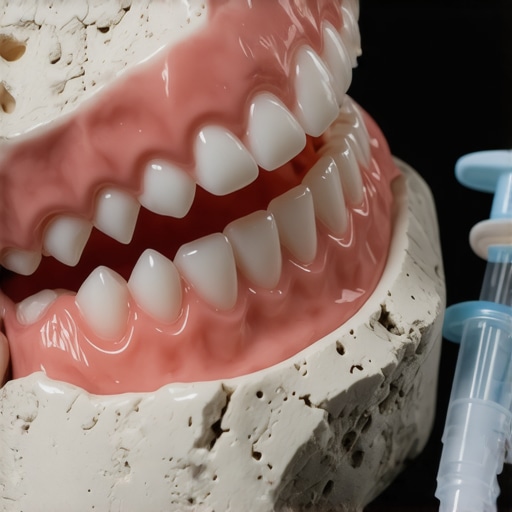
Deep Bleaching Requires Patience and Tight Seals
I remember the first time I tried a ‘professional strength’ kit I found on a discount site. I didn’t have custom trays, just those generic boil-and-bite ones that never quite fit right. Halfway through the night, the gel had migrated to the back of my throat, my tongue felt raw, and I woke up with zero change in my gray teeth. It was a messy, painful lesson in physics. When I finally sat down for a real teeth cleaning and a professional fitting, the difference was immediate. The custom trays felt like a second skin, holding the gel exactly where it needed to be against the enamel. This level of precision is why the science behind teeth whitening works for intrinsic stains; it forces oxygen molecules deep into the dentin for hours, slowly breaking down the complex tetracycline molecules that have been trapped there for decades.
When Bleaching Reaches Its Limit
Sometimes, the staining is so intense—appearing as dark purple or charcoal bands—that even the most aggressive bleaching protocols can only do so much. If you have reached the absolute ceiling of what chemical whitening can achieve, it is time to shift your focus to physical coverage. This is where contouring veneers become the gold standard. Instead of trying to change the color of the internal tooth structure, we are essentially placing a new, perfect surface over the front of the tooth. I have seen patients struggle for years with gels and lights, only to have their entire outlook changed in just two appointments with porcelain work. When you are weighing your options, make sure to consider the real difference between veneers and lumineers. Traditional veneers are often superior for tetracycline cases because they can be crafted with a slight opacity to fully mask that underlying dark shadow, whereas thinner options might allow the gray to peek through.
Protect Your Investment with Proper Maintenance
Once you have achieved that brighter shade, the work does not stop. Intrinsic stains have a way of making any new surface stains look worse. Regular teeth cleaning is absolutely non-negotiable. I make it a point to stay on top of my hygiene appointments because any minor staining from coffee or tea will make the underlying dentin appear even darker than it actually is. It is a cumulative visual effect. If you have children, starting them early with family dental care hacks ensures they develop the habits necessary to protect their enamel from the start. We are aiming for a foundation of health through family dentistry that supports whatever cosmetic path you choose to take.
Stop Scrubbing Your Enamel into Oblivion
We have been conditioned to believe that ‘cleaner is whiter,’ leading many of us to reach for the most abrasive options available. One of the most common mistakes I see—and one I personally fell for—is the DIY ‘natural’ route. I used to think that a mixture of lemon juice and baking soda would be my secret weapon for those gray stains. In reality, the truth about using baking soda as a toothpaste is that while it is a mild abrasive, it can create microscopic scratches on your enamel if used incorrectly. These scratches actually make your teeth more porous, allowing future stains from coffee or tea to settle even deeper. It is a vicious cycle where you are essentially sanding down your protection in exchange for a temporary, superficial glow. Instead of focusing on scrubbing harder, maintaining oral health should be about chemical balance and gentle biofilm management.
Is regular professional scaling actually thinning my enamel?
This is the question I get from my most health-conscious readers. There is a persistent myth that the ‘scraping’ during a cleaning wears out your teeth over time. However, a study published in the Journal of the American Dental Association (JADA) confirms that professional prophylaxis—specifically ultrasonic scaling—is designed to vibrate plaque and calculus loose without harming the underlying tooth structure. The danger isn’t the professional tools; it’s the neglect that allows calculus to harden. When you skip the ultimate guide to teeth cleaning and let that buildup stay, it causes your gums to pull away. I’ve seen patients who were so afraid of ‘thinning’ their enamel that they avoided the dentist for years, only to end up with permanent bone loss. If you have particularly delicate hardware, asking for gentle teeth cleaning best practices for sensitive gums can ensure the process is both safe and comfortable.
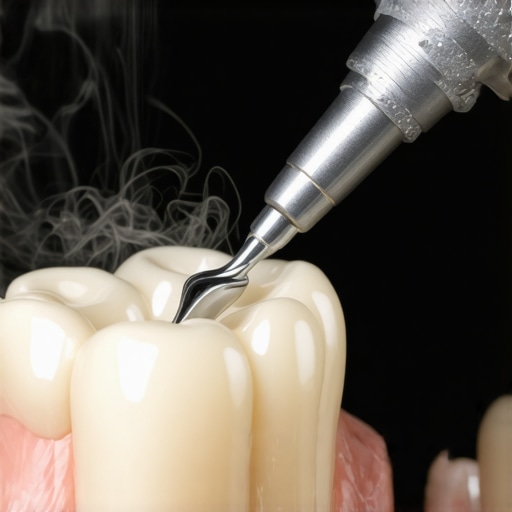
The Trap of Ignoring the Mouth-Body Connection
Most people view a dental checkup as a standalone chore, separate from the rest of their health. This is a massive oversight. We now know that the bacteria causing gum inflammation can travel through the bloodstream. This is why how regular teeth cleaning can prevent major dental issues is a topic that extends far beyond just avoiding cavities; it’s about heart health and systemic inflammation. If you are only looking at your smile as a cosmetic asset, you are missing the forest for the trees. This is especially true in family dentistry, where we set the microbial tone for our children. Have you ever fallen into the trap of thinking your teeth were fine just because they didn’t hurt? Let me know in the comments, because that ‘silence’ is often when the most damage occurs.
Keep the Whole House Cavity-Free Without the Drama
When it comes to the kids, the nuances of oral health myths busted reveal that genetics aren’t always to blame for ‘soft teeth.’ Often, it’s about the frequency of sugar exposure rather than the amount. One of the best family dental care hacks I’ve learned is to stop the ‘grazing’ habit. Every time we eat, our mouth stays acidic for about 20 minutes. If your child is snacking all day, their teeth never have a chance to remineralize. By understanding these technical timing nuances, you can transform your family’s health without ever feeling like you’re fighting a losing battle against ‘bad’ genes. It’s about working with the body’s natural chemistry, not against it.
After years of trial and error with those deep tetracycline stains, I’ve realized that the tools of the trade matter just as much as the initial procedure. If you’ve invested in professional whitening or veneers, using a cheap manual brush is like trying to detail a luxury car with a kitchen sponge. I personally transitioned to the Philips Sonicare series specifically for the pressure sensor. Many of us who have struggled with intrinsic staining tend to over-brush because we are subconsciously trying to ‘scrub’ the gray away. This sensor pulses the moment you press too hard, which is vital for maintaining oral health without wearing down your enamel further.
The Specific Tools That Saved My Enamel
Beyond the brush, I’ve found that the texture of your bristles is a game-changer. I used to think ‘Firm’ meant ‘Cleaner,’ but I was wrong. Transitioning to the best toothbrush texture for people with receding gums—which is always soft or extra-soft—stopped the sensitivity that had plagued me for years. To keep the results of my the ultimate guide to teeth cleaning strategies working, I also integrated an air-flosser. It uses micro-droplets of air and water to burst away biofilm in those tight gaps where tetracycline shadows love to hide. According to a 2021 clinical trial published in Clinical Oral Investigations, sonic technology was found to be significantly gentler on the gingival tissues compared to traditional manual scrubbing, which is essential when you are trying to preserve expensive cosmetic work.
How do I keep my teeth white once the treatment ends?
The key to longevity is managing the ‘rebound’ effect. Your teeth are porous, and even after professional bleaching, they want to absorb pigments. I follow a strict ‘white diet’ for 48 hours after any touch-up, but my long-term secret is using a straw for anything acidic or dark. It sounds simple, but bypassing the front teeth entirely is one of the top 5 secrets to maintaining perfect oral health as a family. Additionally, I never skip my six-month prophylaxis. Seeing the hygienist regularly is not just about aesthetics; it’s a financial strategy because how regular dental cleanings can save you money in the long run by catching minor stains before they require another full round of bleaching.
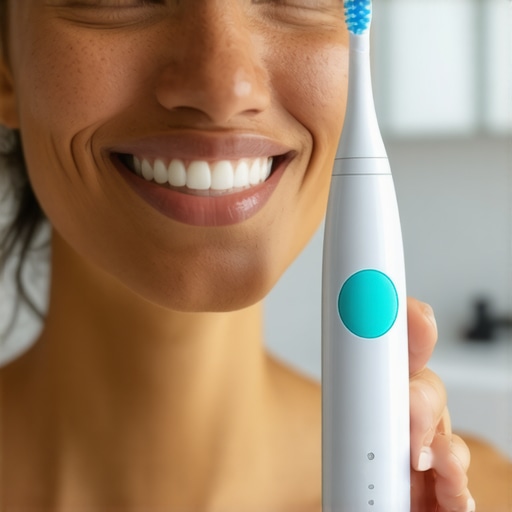
The Future of Brushing Involves Artificial Intelligence
I predict that within the next three years, we will see a massive shift toward AI-integrated oral care in the home. We are already seeing cosmetic dentistry innovations you cant miss this year that include smart sensors that map your mouth on your smartphone. These tools show exactly which zones you are missing, ensuring that your ‘investment’—whether it’s veneers or whitened natural teeth—is cleaned evenly. This prevents the dreaded ‘halo’ effect where the edges of the teeth stay dark while the centers get bright. To get started today, I challenge you to try ‘dry brushing’ for one minute before you even add toothpaste. It allows you to feel exactly where the plaque is with your tongue, giving you a much more targeted clean. It’s a small tweak that makes family dentistry tips that make oral care effortless and effective actually work in the real world.
Why I Finally Stopped Blaming My Childhood Antibiotics
After years of frustration, the biggest lightbulb moment was realizing that my teeth weren’t ‘dirty’ or ‘stained’ in the traditional sense; they were chemically altered from the inside out. I learned that how to whiten teeth that have deep tetracycline stains is less about the bleach itself and more about the custom delivery system that keeps the oxygen active for hours. Another hard-earned lesson? Don’t fall for oral health myths debunked what you need to know in 2025 that claim a single, generic light treatment can fix decades of internal discoloration. Real change requires a marathon mindset, not a sprint. I also discovered that my ‘aggressive’ cleaning was actually my worst enemy, as it thinned the very enamel I needed to protect.
What I Keep in My Bathroom Cabinet to Protect My Investment
I only trust a few specific tools to maintain the results of my professional treatments. First, I never use anything other than the best toothbrush texture for people with receding gums—which is always extra-soft—to avoid scrubbing away the progress I’ve made. I also swear by a high-quality water flosser to reach the tight spaces between my veneers where coffee pigments love to hide. For my kids, we follow preventive tips for long-lasting dental health for families to ensure they never have to face the same internal staining battles I did. These simple, daily investments are what keep the ‘gray’ from creeping back into my periphery.
Step Out from Behind Your Hand
You don’t have to settle for a smile that makes you want to hide your face every time someone pulls out a camera. Whether you choose the path of deep bleaching or look into the latest cosmetic dentistry innovations you cant miss this year, a shadow-free smile is a reachable reality. By prioritizing maintaining oral health expert advice for a lifetime of healthy teeth, you ensure that your investment in yourself lasts as long as your new-found confidence does. It is time to let your personality, not your dental history, be the first thing people notice about you. Have you ever felt like your smile didn’t match the person you are inside because of stubborn stains? Let me know in the comments below.