
It was a sunny Saturday afternoon, the grill was sizzling, and my nephew was sprinting across the lawn when it happened—a trip, a stumble, and the unmistakable sound of a tooth meeting a patio chair. I’ll never forget the sight of him standing there, holding his front tooth in his palm like a small, white pebble. In my panic, I did exactly what you should never do: I grabbed that tooth by the root and scrubbed it under the tap to ‘clean’ the dirt off. That was my biggest mistake. I didn’t realize that by scrubbing it, I was destroying the microscopic periodontal ligaments—the very fibers that allow the tooth to reattach to the jaw. We eventually saved the tooth, but only by the skin of our teeth (literally) and a very fast drive to the clinic. Today, I’m walking you through the actual science of tooth survival so you don’t repeat my blunders. We are going to solve the mystery of what to do in those frantic sixty minutes after an accident, moving past common oral health myths to ensure you or your child keeps that smile intact. Have you ever stood there, heart pounding, wondering if a permanent tooth is gone forever? Let me tell you, it doesn’t have to be.
That One Backyard Disaster That Changed Everything
I used to think I was prepared for anything, but when a dental emergency hits, your brain tends to exit the building. My nephew’s accident taught me that knowing how to handle your toddler’s first dental emergency is about speed and specific biological ‘rules’ that most people ignore. The clock starts the second the tooth leaves the socket. According to the American Association of Endodontists, if you can get that tooth back into its home—or at least into the right storage medium—within 30 to 60 minutes, the success rate for saving it sky-rockets.
Is This Really Better Than Just Putting It in Water?
Many people think a glass of water is the logical choice, but it’s actually one of the worst things you can do because the cells on the root surface can’t survive in plain water for long.
Stop Scrubbing and Start Saving the Root
When you find the tooth, pick it up by the crown (the chewing surface) only. Never, ever touch the root. If it’s dirty, give it a quick rinse with milk or saline, but do not use soap or scrub it with a cloth. If you can’t gently pop it back into the socket yourself, you need to know the best way to store a knocked-out tooth until you reach a professional. Keeping it moist is non-negotiable. Whether you are dealing with a full extraction or just need to know how to manage a chipped front tooth, the goal is always to protect the living tissue that remains.
Put the Tooth Back in the Socket Immediately
If you can overcome the initial shock, the absolute best place for a knocked-out tooth is right back where it came from. Think of the tooth as a delicate seedling that has been uprooted; the longer the roots are exposed to the air, the faster the living cells begin to die. I remember a chaotic summer camp trip where a camper took a frisbee to the face. While everyone else was looking for a bandage, I had the kid gently rinse his mouth and, with a bit of steady pressure, I guided the tooth back into the hole. He held it in place with a piece of gauze. Because we acted in under five minutes, that tooth fused back perfectly. This is the gold standard of family dentistry in action—immediate, decisive movement. If the tooth is clean, push it in until it’s level with the others and have the person bite down on a handkerchief to stabilize it.
Find a Safe Storage Liquid Fast
If you can’t get the tooth to stay in the socket—perhaps because the person is too young or the area is too swollen—you must prevent the root from drying out. A dry tooth is a dead tooth. Do not use tap water; the chlorine and pH levels are actually toxic to the root’s ligament cells. Instead, reach for a glass of cold milk. Milk has a similar chemical makeup to the fluids in our mouth and can keep those ‘Velcro’ fibers alive for a short window. I once saw a frantic parent at a grocery store drop a tooth into a small container of whole milk they’d just bought from the dairy aisle. That quick thinking saved them from needing expensive cosmetic dentistry innovations later in life. If milk isn’t available, you can use a saline solution or even have the patient spit into a cup and keep the tooth submerged in their own saliva. 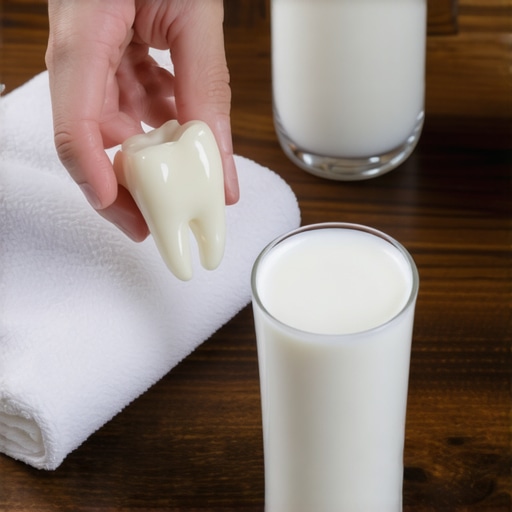
Why the 60-Minute Window is Non-Negotiable
Biology doesn’t wait for a convenient time. After about an hour outside of a moist environment, the chance of the body rejecting the tooth increases exponentially. This is why knowing where to go for a middle-of-the-night dental emergency in culpeper is a vital part of maintaining oral health for your household. While you are on your way to the clinic, avoid the temptation to constantly wiggle or check on the tooth if you managed to reinsert it. Any movement can disrupt the initial clotting process that needs to happen for successful reattachment.
Avoid These Common Cleanup Mistakes
Many people think they are being helpful by using alcohol or peroxide to ‘disinfect’ a dirty tooth. This is a fatal error for the tooth’s biology. These chemicals are far too harsh and will instantly kill the very cells required for re-integration. If the tooth has dirt on it, only use a very light stream of milk or saline to rinse it. The goal isn’t to make it look like it just came from a professional teeth cleaning session; the goal is simply to remove debris without damaging the microscopic living tissue. Even if you think you’ve ruined it by dropping it in the dirt, bring it to us anyway. Modern techniques in cosmetic dentistry in 2025 allow us to perform wonders, but we need that natural root to work with whenever possible.Let’s dig deeper into what happens once the initial emergency subsides. Most people assume that once a tooth is reinserted or a chip is filled, the job is done, or that the next step is simply about ‘making it white.’ This is where I see the most common mistakes in cosmetic dentistry in 2025. The biggest contrarian truth I tell my patients is this: the best dental work is the kind no one notices. Everyone wants the brightest shade on the chart, but the subtle bonding error that makes your smile look artificial usually stems from ignoring natural translucency. If your restored tooth looks like a solid white block, it is a failure of aesthetics, not a success. A study published in the Journal of Esthetic and Restorative Dentistry highlights that ‘perceived naturalness’ is more dependent on how light passes through the incisal edge than on the actual whiteness of the tooth. 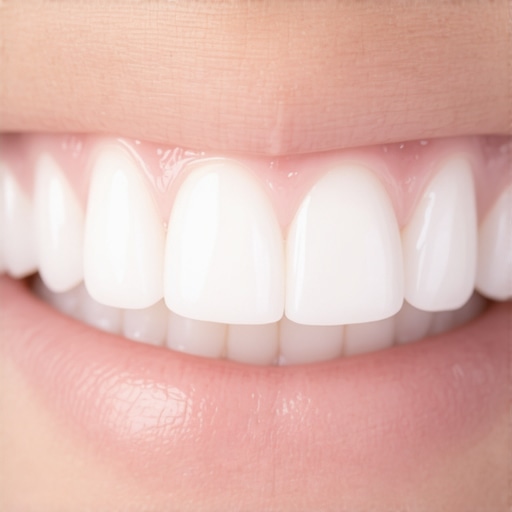
The ‘Oops’ Factor in Gum Health and Maintenance
We often focus so much on the teeth that we ignore the ‘frame’—the gums. I hear it all the time: ‘My gums only bleed because I am brushing too hard’ or ‘It is just the dry air.’ However, why your gums only bleed during the winter months often has more to do with systemic hydration and neglected plaque than the thermometer. Ignoring these small signals is a major trap. People think they are saving money by skipping a six-month visit, but they do not realize how regular dental cleanings can save you money in the long run by preventing the bone loss that leads to tooth mobility.
Why does a dark shadow appear around my dental work?
This is a sophisticated question I get from patients who are years out from a procedure. They notice a gray or dark line at the gum line of a crown or bridge. Often, the reason your gums look darker near your dental bridge is not actually decay; it is the metal substructure of older porcelain-fused-to-metal restorations showing through as the gum tissue naturally thins or recedes with age. Modern cosmetic dentistry innovations allow us to use all-ceramic or zirconia materials that eliminate this ‘gray ghosting’ effect entirely, ensuring the smile remains seamless even if the gums shift. Have you ever fallen into this trap of choosing the ‘whitest’ shade possible or ignoring a little bit of pink in the sink? Let me know in the comments.
I often tell my patients that the day you leave the chair with a new set of veneers or a fresh crown is just the beginning of a decade-long partnership between you and your equipment. If you are still using a manual toothbrush, you are essentially trying to maintain a high-performance engine with outdated tools. I personally made the switch to high-frequency sonic technology because the fluid dynamics—the way the vibration pushes water and saliva into the interproximal spaces—cleans areas no manual bristle could ever reach. This transition is a non-negotiable step in maintaining oral health and protecting your investment.
How do I maintain professional cleaning results at home?
The secret is not about brushing with more force; it is about disrupting the biofilm before it mineralizes into tartar. I recommend using a water flosser with a specialized plaque-seeker tip, particularly for those with dental work. If you have a bridge, you must master the move to clean under your dental bridge safely to prevent localized gingivitis that can lead to bone loss. A technical report by Dr. Gordon J. Christensen in the Clinicians Report indicates that while manual brushing is better than nothing, oscillating-rotating brushes provide a statistically significant advantage in reducing plaque-induced inflammation in patients with complex restorations.
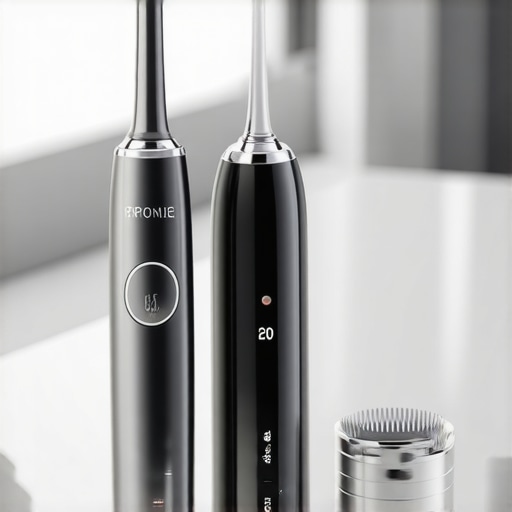
Looking toward the next decade, I predict we will see the rise of bio-integrated sensors within our brushes that can detect early markers of systemic inflammation or shift in oral pH levels. This will allow for preventative care that happens at the molecular level before a cavity even forms. Until then, you have to be your own advocate. If you deal with sensitivity, finding the best toothbrush texture for people with receding gums is your first line of defense. Remember, how regular teeth cleaning can prevent major dental issues is not just a clinical fact—it is a financial strategy to avoid the need for more invasive cosmetic dentistry innovations later.
The Advanced Tip for Restored Teeth
One specific technique I swear by is alternating your toothpaste. Use a high-fluoride or hydroxyapatite paste at night, but switch to a non-abrasive gel once a week. This prevents the micro-scratches that explain why your veneers are discoloring at the gum line over time. If you really want to level up, replace your plastic tongue scraper with one made of surgical steel. The level of bacterial removal is far superior and keeps your breath neutral longer. Give the steel scraper a try for seven days—you will never go back to plastic.
Hard Truths About Tooth Reattachment No One Mentions
Reflecting on my own family’s tooth disaster, I realized that the hardest lesson isn’t just about speed; it’s about respecting the biology of the mouth. First, those microscopic fibers on the root are more fragile than you think—even a single touch can ruin them. Second, I have learned that children’s teeth re-integrate much more successfully than adults, but only if you avoid oral health myths that suggest waiting until the next morning. Finally, a tooth that looks ‘dead’ after an hour is often still salvageable in the hands of a pro, so never throw it away. Speed is your ally, but the right storage medium is your secret weapon.
My Pro-Level Oral Care Toolkit
I do not just rely on luck; I rely on specific tools that have proven their worth in clinical and home settings. For emergency storage, I always recommend keeping a ‘Save-A-Tooth’ kit in your sports first aid bag; it uses Hank’s Balanced Salt Solution, which is far superior to milk for keeping cells alive. For daily maintenance, I trust high-frequency sonic brushes with built-in pressure sensors to ensure you are not scrubbing away your enamel. I also personally advocate for the switch to a surgical steel tongue scraper; it is a total game-changer for breath quality compared to porous plastic versions. Using these tools is part of a smart strategy where regular dental cleanings can save you money in the long run by catching microscopic issues before they require expensive surgery.
#IMAGE_PLACEHOLDER_E#
Take Charge of Your Smiles Future Today
Dental emergencies are terrifying, but you now have the blueprint to handle them with calm, clinical precision. Whether you are focusing on family dentistry for your little ones or looking into cosmetic dentistry innovations to repair past damage, the power to keep your natural teeth is in your hands. Don’t wait for a crisis to find a trusted professional in your network. Your smile is a lifelong investment—protect it with the same intensity you would protect any other vital part of your health. Have you ever had a dental scare that made you change your daily routine? Let me know in the comments below!