
I’ll never forget the sound of my son’s helmet clashing with another kid’s during his first real football scrimmage. My heart didn’t just drop; it did a full-speed somersault. I wasn’t worried about a scraped knee or a bruised ego—I was staring at his face, terrified I’d see a white tooth flying across the grass. Like a lot of parents, I’d spent a small fortune on high-end cleats and the safest helmet on the market, but I’d completely neglected the one thing that actually keeps a smile intact. I made the mistake of thinking a three-dollar piece of plastic from the local big-box store was enough. Spoiler alert: it wasn’t. It sat in his gym bag because it felt weird, leaving his teeth totally exposed and our hard-earned foundation of healthy smiles at risk.
Stop Treating Dental Safety Like an Afterthought
We spend so much time on family dental care hacks to keep your kids smiling daily, but one elbow to the jaw during a basketball game can undo years of hard work in a millisecond. It’s not just about contact sports like football or hockey, either. According to the American Academy of Pediatrics, sports-related dental injuries are incredibly common in non-contact activities like gymnastics and skateboarding too. Today, I want to walk you through how to actually protect those teeth so you aren’t the one frantically searching for the safest way to handle a dental emergency on a Saturday afternoon. We’re going to look at why fit matters more than brand and how to get your kid to actually wear their gear.
Is a custom guard really worth the extra cash?
I used to be the biggest skeptic. I figured a mouthguard is just a piece of rubber, right? Wrong. That cheap boil and bite guard I bought was bulky, made it hard for my son to breathe, and ended up chewed into a jagged mess within a week. When we finally invested in a proper fit, everything changed. Have you ever had to deal with a chipped tooth right before a big game, or found yourself wondering if your child’s gear is actually doing its job? If you’re serious about preventive tips for long-lasting dental health, the mouthguard is your MVP. It isn’t just about preventing a broken tooth; it’s about absorbing the shock that can lead to jaw fractures or even contribute to the severity of a concussion. Trust me, spending a little time now on the right equipment is much better than the alternative.
I remember the first time I tried a generic ‘boil-and-bite’ guard with my daughter before her soccer season. We followed the instructions to a T, but it still looked like a lumpy marshmallow in her mouth. She couldn’t close her lips, and within five minutes of practice, she had spit it onto the grass in frustration. That is the fundamental problem with generic gear: if it is uncomfortable, they will not wear it, and if they do not wear it, it is useless. To truly protect their smile, you have to move beyond the bargain bin and treat protective gear with the same precision you’d use for family dentistry tips that make oral care effortless and effective.
Ditch the One-Size-Fits-None Approach
Think of a mouthguard like a seatbelt for the face. A seatbelt only works if it is buckled and fits across the chest correctly. A stock mouthguard is often bulky and forces the jaw into an unnatural position. This makes it hard for kids to breathe or communicate with teammates. When we switched to a custom-molded version, the difference was night and day. My son could actually shout for the ball without the guard falling out. It was no longer a distraction; it was a part of him. If you want to ensure maintaining oral health through the high-impact years, the equipment must be invisible to the athlete’s focus.
The Three Second Test for a Perfect Fit
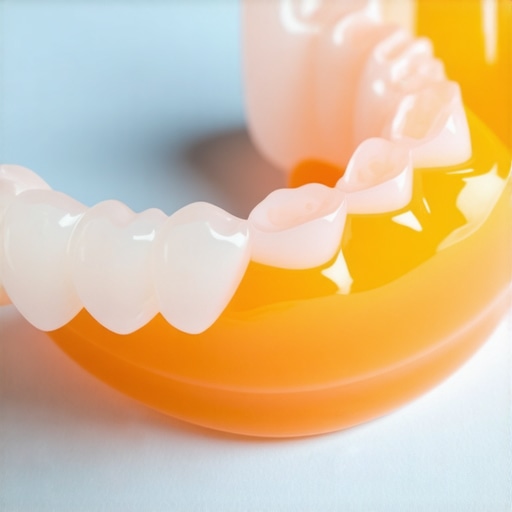
How do you know if the guard is actually doing its job? Try the ‘suction test.’ Have your child put the guard in and open their mouth wide. If the guard stays firmly on the upper teeth without them having to bite down or hold it with their tongue, you have a winner. If it drops immediately, it is just a piece of plastic waiting to be choked on or lost. A proper fit ensures the force of an impact is distributed across the entire dental arch rather than a single tooth. This level of protection is just as vital as regular teeth cleaning when it comes to preventing long-term damage and expensive emergency repairs.
Don’t Let the Mouthguard Become a Germ Factory
I once found my son’s mouthguard at the bottom of his gym bag, covered in what I can only describe as ‘mystery fuzz.’ It was a wake-up call. We spend so much time on teeth cleaning techniques and benefits for their natural teeth, but we often forget that a dirty mouthguard is a breeding ground for bacteria that can cause gum infections. I started making it a rule: if you brush your teeth, you scrub your guard. Use a soft toothbrush and non-abrasive soap. Never use hot water, as it can warp the plastic and ruin that perfect fit you spent money to achieve.
Win the Compliance Battle with Your Athlete
The best way to get a kid to wear their guard is to let them own the process. When my daughter got to pick the color of her custom guard, she actually felt ‘cool’ wearing it. It became a piece of her uniform rather than a chore. However, remember that their mouths are constantly changing. A guard that fit perfectly in September might be too tight by March because of shifting teeth or new molars. This is why the risk of skipping your childs six month dental checkup is so high—your dentist needs to check the gear’s fit just as much as they check for cavities. If the guard feels tight or causes sore spots, it’s time for an adjustment before the next big game.
We often think that more effort equals better results, especially when it comes to our families. However, one of the biggest myths I see is the ‘scrub harder’ mentality. Most parents assume that if a little brushing is good, aggressive scrubbing with a firm brush is better. In reality, you are likely sanding down your enamel. When we look at oral health myths debunked what you need to know in 2025, the biggest takeaway is that ‘squeaky clean’ shouldn’t mean ‘physically abraded.’ I’ve seen patients who were so diligent about hygiene that they actually caused their own gum recession by being too aggressive.
Wait Sixty Minutes or Risk Losing Enamel
Here is the ‘oops’ factor that catches almost everyone: the timing of your post-meal cleanup. You might think brushing immediately after a healthy snack of sliced apples or a glass of orange juice is the gold standard of care. It’s actually a trap. Acidic foods temporarily soften the tooth enamel. If you brush while the enamel is in this vulnerable state, you are literally brushing your teeth away. This is why you should never brush your teeth immediately after eating fruit. You need to give your saliva at least thirty to sixty minutes to neutralize the pH and remineralize the surface. If you’re in a rush, just rinse with plain water. It’s a nuance that separates basic care from expert-level preservation.
Does professional whitening actually trade health for aesthetics?
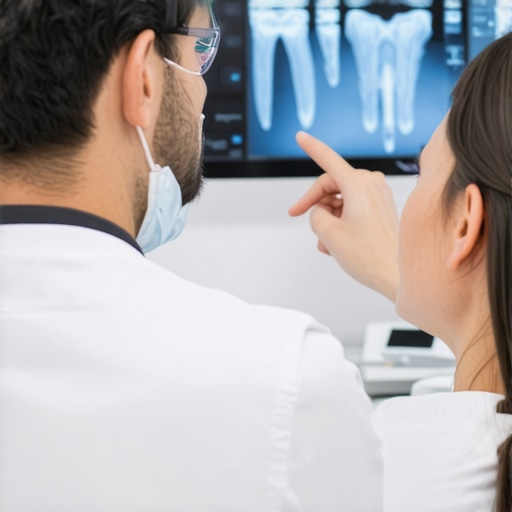
It’s a common worry for anyone considering a brighter look. The truth is that high-quality, supervised treatments are designed to be safe, but the ‘advanced’ mistake is ignoring the chemistry behind it. Many people try to skip the professional route and fall for the danger of using baking soda to whiten your enamel every day. While baking soda is a great household cleaner, its abrasive nature can create microscopic scratches that actually collect more stains over time. To get the glow without the damage, you have to understand the science behind teeth whitening achieve stunning results fast. Professional products use oxygen molecules to lift stains from within the tooth structure, rather than grinding away the surface. This is why how regular teeth cleaning can prevent major dental issues remains the foundation; you cannot safely whiten a tooth that has active plaque or underlying decay.
Expert research backs this up. According to studies published by the American Dental Association (ADA), the use of non-regulated, highly abrasive DIY whitening kits can lead to permanent tooth sensitivity and even pulp damage. Expertise isn’t just about knowing what to do; it’s about knowing what to avoid to keep the structural integrity of the tooth intact. Have you ever fallen into this trap of over-cleaning or using a ‘hack’ that ended up hurting? Let me know in the comments. I’m curious if you’ve also wondered why some kids get cavities despite brushing twice a day, because often, it’s these tiny nuances in timing and technique that make all the difference.
If you want to keep that foundation solid, you need to look at your daily hardware. I used to think a manual brush was ‘good enough’ if I was diligent, but the data—and my own checkups—proved me wrong. I’m a huge advocate for sonic technology over oscillating heads for a very specific reason: fluid dynamics. High-frequency vibrations create ‘non-contact’ cleaning, pushing fluid into the tiny spaces between teeth where bristles physically cannot reach. It’s why the ultimate guide to teeth cleaning techniques and benefits always emphasizes the efficiency of the tool over the force of your hand. If you’ve recently noticed why your gums bleed when you use a new electric toothbrush, don’t panic. It is often just your tissue adapting to a level of plaque removal it has never experienced before, and it usually resolves within a week of consistent use.
Upgrade Your Bathroom Counter for Better Results
Many people ask me if the high-end brushes are just marketing fluff. From my experience, the pressure sensor is the real game-changer. Most of us are ‘scrubbers’ by nature, and having a light turn red when you press too hard protects your enamel from the micro-abrasions we talked about earlier. This is the cornerstone of preventive tips for long-lasting dental health for families because it removes the ‘human error’ from the equation. When you pair this with a water flosser, you’re tackling the bio-film from two different angles.
How do I maintain these results over the long haul?
The secret isn’t a one-time fix; it’s the tools that bridge the gap between office visits. I personally swear by the ‘Water Flosser and Sonic Brush’ combo as the ultimate defense. The water flosser isn’t just for people with braces; it’s the only way I’ve found to effectively clear out the ‘pockets’ that lead to chronic inflammation. For those who have invested in aesthetics, like veneers or bonding, this maintenance is non-negotiable. You want to be enhancing confidence with cosmetic dentistry for years, not just until your next cleaning. According to research by Dr. Niklaus Lang, a pioneer in periodontology, biofilm management through consistent mechanical disruption is the single most important factor in preventing tooth loss as we age. It’s not just about the visible surface; it’s about the microbial environment you’re managing every single morning. 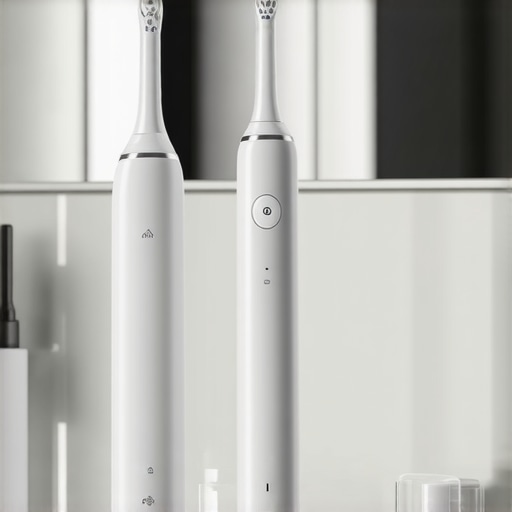
Smart Sensors and the Future of Your Sink
We are moving into an era where your toothbrush won’t just buzz; it will map your mouth in 3D. I suspect within the next few years, AI-integrated brushes will be standard, providing heat maps of where you missed plaque in real-time. This is part of the broader cosmetic dentistry innovations you cant miss this year that focus as much on biological health as they do on the perfect white shade. We’re already seeing this shift with revolutionary teeth cleaning techniques for 2025 that use much gentler, more targeted methods than the aggressive ‘scraping’ of the past. If you’re ready to level up your routine today, here is my advanced challenge: tonight, try using your water flosser before you brush. It loosens the tight debris between teeth so your toothpaste’s fluoride and minerals can actually reach the enamel surface. It’s a tiny sequence change that yields massive expert-level results for a lifetime of healthy smiles.
Tiny Shifts That Save Your Enamel and Your Wallet
After years of navigating the ups and downs of family dental care, I’ve realized that the most expensive mistakes are usually the ones born from “good intentions” done the wrong way. For instance, I used to think that a vigorous scrub was the only way to get a deep clean, but I learned that gentle is actually more effective. When you learn gentle teeth cleaning best practices for sensitive gums, you stop the cycle of recession and sensitivity. Another “lightbulb moment” was realizing that my kids’ oral health wasn’t just about what they did for two minutes at the sink, but about the pH levels in their mouths throughout the day.
One of the most valuable secrets to maintaining perfect oral health as a family is simply making it a shared activity rather than a lecture. We started having “brush-offs” where we’d all use our sonic brushes together. It turned a boring task into a bonding moment. Also, don’t let common myths lead you astray; sometimes the “hacks” you see online do more harm than good to that precious enamel.
The Only Tools You Actually Need on Your Bathroom Counter
If you’re looking to upgrade, you don’t need a drawer full of gadgets. I personally recommend these three essentials: a high-quality water flosser to reach those deep pockets, a sonic toothbrush with a pressure sensor to prevent over-brushing, and a fluoride-rich mouthwash for that final mineral boost. These tools are the reason I’ve seen such a dramatic change in our checkups. If you want to see results quickly, check out teeth cleaning secrets to achieve a bright smile in under 30 minutes. I also frequently check the American Dental Association website for their “Seal of Acceptance” before buying any new brand of paste or floss—it’s the only way to cut through the marketing noise.
Take the First Step Toward a Worry-Free Smile
Protecting your family’s teeth shouldn’t feel like a second job. It’s about small, consistent choices that add up over time. By focusing on the right equipment and the right timing, you’re not just avoiding cavities—you’re investing in your family’s long-term confidence. Remember, maintaining oral health is a marathon, not a sprint, and every small adjustment you make today pays off in fewer emergencies later. Plus, keeping up with these habits is how regular dental cleanings can save you money in the long run by catching tiny issues before they become major dental bills. Have you ever had a “lightbulb moment” where you realized a common dental habit you had was actually wrong? Let me know in the comments!