
I woke up last Tuesday with a headache that felt like a tiny construction crew was jackhammering behind my eyes. My jaw was locked tight. When I looked in the mirror and ran my tongue over my back teeth, they didn’t feel like the bumpy mountain range molars I remembered. They felt flat. Smooth. Like river stones. I’d spent months telling myself I was just a little stressed at work, but the proof was staring back at me in the mirror: I was literally eating my own teeth.
My jaw was paying the price for my hustle mentality
For a long time, I made the mistake of thinking my stress stayed in my brain. I thought if I could just push through the deadlines, my body would fall in line. I was wrong. The reality is that our bodies find a way to vent that pressure, and for many of us, the exit point is our teeth. I ignored the signs until I noticed a jagged edge on my molar that definitely wasn’t there before. I had reached a point where I needed to understand maintaining oral health isn’t just about brushing; it is about managing what is happening between your ears, too. Today, I want to show you how to stop that destructive cycle. We are going to look at why stress turns your jaw into a vice and, more importantly, how you can reclaim your smile before you end up needing a full rebuild. If you have already seen some wear, do not panic—there are modern ways to transform your smile even after years of grinding.
Is it actually worth the hype to wear a night guard?
I used to be the biggest skeptic. I thought wearing a piece of plastic to bed was just a way for dentists to upcharge me. I will just relax more, I told myself. That was a huge mistake. By the time I finally caved, I already had what looked like a craze line turning into a full-blown fracture. According to the American Dental Association, more than 70 percent of dentists surveyed reported an increase in patients experiencing teeth grinding and clenching since 2020. It is not just a you problem; it is a modern-day epidemic. Even my neighbor’s kid was struggling with it, and I had to help her find tips on how to get your child to stop grinding their teeth at night because the stress of school was hitting her just as hard. Have you ever woken up with a dull ache in your temples or noticed your teeth looking shorter than they used to? It is a frustrating realization, but you are definitely not alone. We are going to walk through the exact steps to protect your enamel and why your relaxing routine might be failing you.
Stop the Grind with a Custom Shield
The first thing I had to accept was that sheer willpower wouldn’t stop my jaw from clenching at 3 AM. If you are serious about protecting your enamel, you need a physical barrier. While you can find cheap guards at any drugstore, they often do more harm than good because they aren’t calibrated to your specific bite. I remember the first night I tried a store-bought ‘boil-and-bite’ guard; it felt like I was sleeping with a bulky hockey puck in my mouth. I actually woke up with more jaw fatigue because the thickness forced my muscles to stay active all night. Transitioning to a custom-fitted guard was a game-changer. These are designed using precise scans to ensure your jaw rests in a neutral position. It is one of the most effective preventive tips for long-lasting dental health for families, as it stops the friction before it can turn into a fracture. 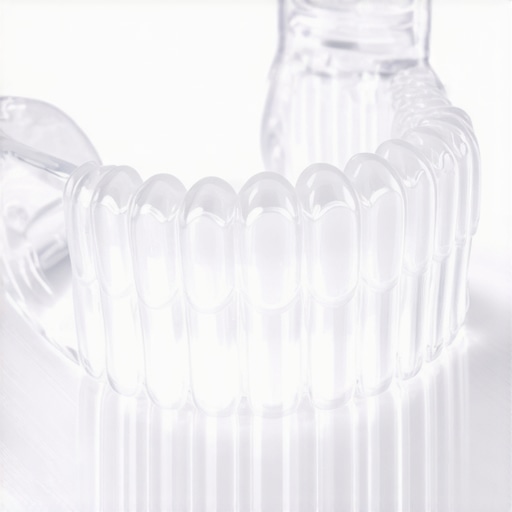
Professional Cleanings Save Your Enamel and Your Wallet
You might think a cleaning is just about aesthetics, but for a grinder, it is a diagnostic necessity. When I finally sat in the chair after months of ignoring my jaw pain, my dentist showed me how the pressure was actually causing my gums to recede in specific spots. These areas become magnets for plaque. By staying consistent with your appointments, you allow a professional to spot the micro-wear before it requires a root canal or a crown. Understanding how regular dental cleanings can save you money in the long run is vital; it is much cheaper to polish a surface than it is to replace a tooth. Plus, professional scaling removes the tartar that builds up in the hard-to-reach places that grinding often creates by shifting teeth slightly out of alignment.
Restore What the Stress Stole
If you have already spent years wearing down your teeth until they look flat or translucent, you aren’t stuck with that smile forever. I was devastated when I realized my front teeth looked significantly shorter than they did in my college photos. This is where modern dentistry steps in to rebuild the height and function of your bite. Options like contouring and veneers can literally add back the protective layer you have ground away. It is not just about vanity; it is about restoring the structural integrity of your mouth. For those with significant damage, looking into how cosmetic dentistry can transform your smile in 2025 reveals that materials like zirconia and advanced porcelains are now tougher than natural enamel, making them perfect for those of us who still struggle with occasional stress clenching. I chose to bond a few chipped edges, and the relief of seeing a ‘whole’ tooth in the mirror again actually helped lower my overall anxiety about my oral health.One of the biggest misconceptions I had to unlearn was the idea that cosmetic dentistry is just a vanity project. In my mind, you either had healthy teeth or pretty teeth, and rarely did the two overlap. This is where most of us get it wrong. In the dental world, form follows function. If your teeth are perfectly white but your bite is misaligned from years of grinding, those expensive restorations will fail prematurely. This is the hidden nuance of high-end care: it is not just about the shade; it is about the architecture. We often focus on the science behind teeth whitening because we want that instant glow, but if you do not address the underlying wear, you are just painting over a crumbling foundation.
Your abrasive natural hacks are doing more harm than good
I will admit, I tried the all-natural route first. I thought I was being clever by using kitchen staples to scrub away coffee stains. Total mistake. While you might see a temporary brightness, you are actually thinning your enamel at an alarming rate. I learned the hard way about the danger of using baking soda to whiten your enamel every day; it is essentially like using sandpaper on fine china. Once that protective layer is gone, it does not regenerate, and you end up with permanent sensitivity and teeth that actually look yellower because the darker dentin underneath is more exposed.
Is your quest for a perfect smile actually damaging your bite?
This is the advanced question most patients do not think to ask. Experts from the American Academy of Cosmetic Dentistry (AACD) emphasize that true aesthetic success requires a comprehensive smile design that accounts for how your muscles and joints move. If a practitioner just applies porcelain without checking your occlusion—how your teeth actually meet—you are headed for a world of jaw pain. I almost fell into the one mistake people make when trying to whiten gray teeth, which is ignoring the structural cause of the discoloration in favor of a quick fix. 
The truth about the aggressive cleaning myth
We have been conditioned to think that if a cleaning does not feel intense, it was not thorough. That is a dangerous trap. Aggressive scraping can actually irritate the gum line and lead to recession, even in people with otherwise great hygiene. The goal of modern revolutionary teeth cleaning techniques is biofilm management, not brute force. I had to realize that the reason your gums recede even if you have good habits is often due to this over-zealous approach or an undetected bite issue. Real expertise means knowing when to be gentle to preserve the long-term health of the tissue. Have you ever fallen into this trap of thinking harder is better when it comes to your oral health? Let me know in the comments.
The gear that actually saved my gums
I finally stopped treating my dental routine like a chore and started treating it like a high-performance maintenance schedule. If you are using a manual toothbrush, you are basically trying to clean a Persian rug with a broom; you are missing the deep-seated debris. I switched to an oscillating-rotating electric brush because the clinical data is undeniable. A study published in the International Journal of Dental Hygiene found that these brushes significantly outperform manual ones in reducing plaque and gingivitis over both the short and long term. I personally use the Oral-B iO series because the pressure sensor glows red when I’m pressing too hard—a lifesaver for someone like me who tends to scrub like I’m cleaning a hubcap. This is one of the most effective bits of expert advice for a lifetime of healthy teeth I can give you: let the motor do the work for you. 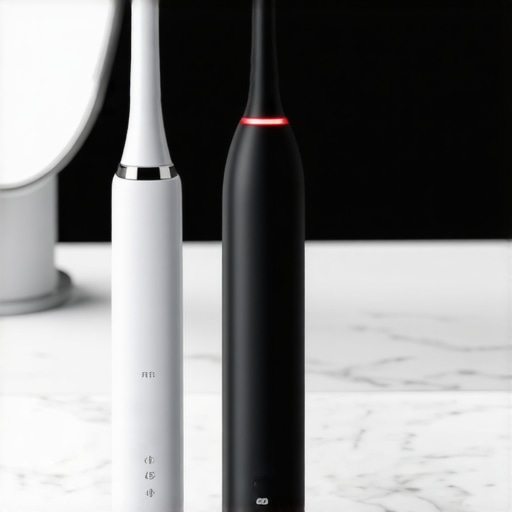
Why water flossing beats traditional string
I will be honest: I used to hate traditional flossing. It felt like a surgical procedure every night, and I usually skipped it. Then I discovered water flossing. It is not just about the convenience; it is about the reach. If you have any cosmetic dentistry innovations like bridges or implants, a water flosser is non-negotiable. It flushes out the bacteria that regular string just cannot touch. If you are wearing a night guard or a retainer to protect your teeth from grinding, you also need to know how to clean a clear retainer without using abrasive toothpaste because scratches on that plastic become breeding grounds for the very bacteria you are trying to avoid. Since I started using a Waterpik, my dental hygienist has spent half the time scraping my teeth during my checkups.
How do I keep my new smile looking fresh for years?
Maintenance isn’t a one-and-done deal; it is about the micro-habits that protect your investment. For example, I stopped using colored mouthwashes that contain heavy alcohol because they can actually dry out your mouth and dull the luster of your composite bonding or veneers. Instead, I focus on preventive tips for long-lasting dental health for families, such as using pH-balanced rinses that support a healthy microbiome. If you have invested in your look, you want to see the impact of cosmetic dentistry in 2025 stay vibrant. That means avoiding the ‘whitening’ toothpastes that are basically liquid sandpaper and sticking to high-quality, low-abrasivity gels that keep the surface smooth and stain-resistant.
The AI revolution in your bathroom cabinet
We are moving toward a world where your toothbrush will be smarter than your phone. We are already seeing brushes that use AI and accelerometers to map your mouth in 3D, showing you exactly where you are leaving plaque behind in real-time on your smartphone. I predict that within the next three years, these tools will be the gold standard for anyone serious about maintaining perfect oral health as a family. This technology takes the human error out of the equation. If you want to start protecting your smile today, my top tip is to grab an electric brush with Bluetooth connectivity; seeing your ‘brushing score’ on an app is surprisingly motivating and ensures you never miss those tricky molars again. Try it for just one week—the difference in how your teeth feel will be immediate.
The Hard Truth My Teeth Finally Forced Me to Accept
Reflecting on my journey from shattered molars to a stable bite, I’ve realized a few things that aren’t usually in the pamphlets. First, your jaw is a stress barometer; if you’re clenching, your body is screaming for a break long before your mind acknowledges it. I also learned that waiting for a ‘convenient’ time to fix a chip is a gamble you’ll likely lose. Small issues don’t stay small when you’re applying hundreds of pounds of pressure every night. Finally, I discovered that oral health myths debunked for 2025 show that the ‘grin and bear it’ mentality is the fastest way to an expensive reconstructive surgery.
#IMAGE_PLACEHOLDER_E#
Tools That Saved My Enamel From My Stress Habits
I didn’t get here alone. Beyond the expert help of my clinical team, a few specific resources changed everything for me. I swear by the Oral-B iO series for its real-time pressure feedback—it’s the only way to ensure I’m not scrubbing away my gum line. I also recommend checking out the latest teeth cleaning secrets for maintaining that post-office polish at home. For anyone feeling overwhelmed by the technical side, the American Academy of Cosmetic Dentistry (AACD) website is a goldmine for understanding how form and function must work together. These aren’t just gadgets; they are the frontline defense for your smile.
Reclaiming the Peace Behind Your Teeth
It’s easy to feel like the damage is already done, but the modern world of dentistry is incredibly forgiving. Whether you need a simple guard or are looking at cosmetic dentistry trends that transform your smile this year, the first step is always the hardest—and the most rewarding. Maintaining oral health isn’t a destination; it’s a daily commitment to yourself. You deserve to wake up without a headache and to smile without checking for chips. Start tonight by simply paying attention to your jaw, and don’t be afraid to ask for the protection you need.
Have you ever noticed your jaw feeling tight after a long day at the office, or did you discover wear on your teeth like I did? Let me know your experience in the comments below!