
I remember the exact moment I realized my toddler thought toothpaste was a gourmet dessert. He was standing on his wooden stool, blue-tinted foam dripping down his chin, and he gave me a satisfied ‘Mmm!’ after gulping down every bit of it. I panicked. As a parent, you spend so much time worrying about making oral care effortless and effective, but nobody tells you that the hardest part is teaching a tiny human to get rid of the very thing you just put in their mouth. It feels like a losing battle, doesn’t it? You want to protect their teeth, but the constant swallowing feels like you’re just feeding them cleaning supplies. I once tried to use a ‘dry run’ with water to practice, which resulted in soaked pajamas, a slippery floor, and a very grumpy toddler. It was a total disaster and I felt like a failure as a ‘dentistry-aware’ parent who should have known better.
Stop the Toothpaste Gulping Once and for All
[IMAGE_PLACEHOLDER] Believe me, I’ve been right where you are. I made the classic mistake of thinking that if I just said ‘spit’ fifty times in a row, it would eventually click. It didn’t. In fact, my aggressive coaching just made him want to swallow it more because he loved the dramatic reaction I gave. After a few weeks of frustration and way too much time spent on parenting forums, I realized I needed a different approach. We are going to solve this today by breaking down the physical mechanics of the ‘spit’ in a way that actually makes sense to a three-year-old. We’ll move past the common oral health myths and get down to the dirty work of sink-side training that actually sticks. Spitting is a motor skill, not a behavior issue. It’s like learning to whistle; it takes practice, not just instruction. I remember trying to demonstrate the ‘P-TOOI’ sound so loudly that I nearly choked on my own spit, while my son just stared at me like I was a performing circus seal. That’s when I realized that ‘telling’ isn’t ‘teaching.’
Will they ever actually learn to stop swallowing it?
It’s a valid fear to have. You worry that you’re setting them up for tummy aches or long-term issues. According to the American Academy of Pediatrics, while a tiny amount of fluoride once in a while won’t hurt, consistent ingestion during these formative years can lead to mild dental fluorosis, which can cause permanent white spots on their adult teeth. It’s one of those things where the truth about fluoride is that it’s a superhero for enamel but a potential villain for the stomach. This isn’t just about avoiding a mess on their shirt; it’s about their health. Have you ever felt like your toddler was secretly a toothpaste-eating monster despite your best efforts? Tell me your ‘blue-foam’ horror stories in the comments! I used to think my son was just being stubborn, but once I changed my strategy to focus on fun instead of fear, everything changed. We are going to focus on building a foundation of healthy smiles using tricks that don’t involve a nightly battle of wills. Let’s dive into the ‘target practice’ method that finally saved my sanity and my bathroom rug.You have to realize that swallowing is a reflex, while spitting is a conscious motor skill. To bridge that gap, start with the ‘Target Practice’ drill. I found that my son responded best when he had a visual goal. We placed a small suction-cup toy in the basin of the sink. I told him he had to ‘paint’ the toy with his spit. It sounds a bit gross, but it worked. This is one of the top 5 secrets to maintaining perfect oral health as a family: make the healthy habit the fun part of the day.
Turn Your Bathroom Sink Into a Training Ground
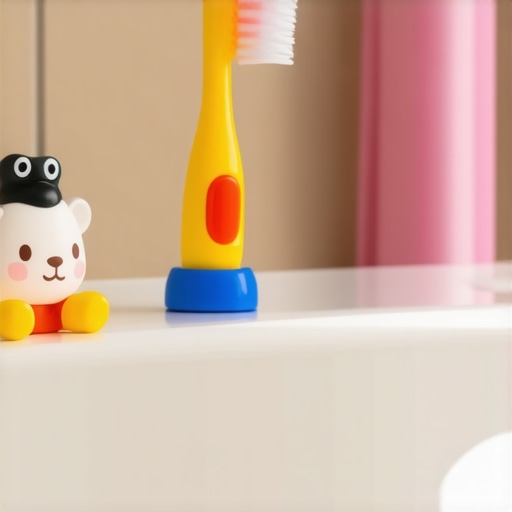 The secret to success isn’t better toothpaste; it’s better physics. Toddlers don’t understand the concept of ‘evacuating oral contents,’ but they do understand aiming. By transforming the sink into a destination rather than just a porcelain bowl, you change the psychology of the routine.
Give Them a Target They Can’t Resist
When we first started, I used a small drop of food coloring in the drain. I told my son his job was to ‘wash the color away’ by spitting directly onto it. If you don’t want to stain your sink, use a floating rubber duck or even a small LEGO figure. I remember one specific Tuesday where I stood a plastic T-Rex in the sink and told my son the dinosaur was ‘thirsty for blue bubbles.’ He concentrated so hard his eyebrows knitted together, and instead of his usual gulp, he delivered a perfect, bubbly spit right onto the dinosaur’s feet. It was messy, and I had to scrub a plastic dinosaur with soap afterward, but the lightbulb finally went off. This kind of engagement is far more effective than any lecture. By turning the process into a game, you are implementing one of the most effective family dental care hacks to keep your kids smiling daily without the nightly power struggle.
The Squirrel Method for Water Control
Before you reintroduce fluoride-heavy paste, you need to master the ‘sip and hold.’ I call this the Squirrel Method. Have your child take a tiny sip of plain water and hold it in their cheeks like a squirrel storing nuts. The goal is to see how long they can hold it without swallowing. We used to count to five together, then I’d shout, ‘Release the floodgates!’ This teaches them the muscle control required to keep liquid in the mouth—a prerequisite for spitting. If your child struggles with the sensation of liquid or the brush itself, you might actually be dealing with a sensitivity issue, and it helps to know how to stop a toothbrush gag reflex instantly so they feel more in control of their mouth.
Teach the Tongue Slide Motion
Spitting isn’t just opening the mouth; it’s a forward push from the back of the tongue. I explain this to my kids by telling them their tongue is a slide at a water park. The ‘spit’ is the kid who wants to go down the slide and land in the sink. You have to push the ‘slide’ forward to help them get out. Practice making a ‘P-TOOI’ sound together without any water at all. It’s about the ‘P’ sound with the lips. This physical instruction, combined with preventive tips for long-lasting dental health for families, ensures they are building the right habits early. While they are still learning, you can offset any swallowed fluoride by focusing on the high calcium snacks that strengthen enamel naturally, which supports their teeth from the inside out while they master their ‘sink-side’ aim.Once you’ve mastered the ‘Target Practice’ and the ‘Squirrel Method,’ you might feel like a dental pro, but here is where many high-achieving parents hit a wall. We often fall into the trap of thinking that more hygiene is always better. For years, I believed that brushing immediately after every meal was the gold standard. I’d finish my morning grapefruit and rush to the sink, thinking I was a hero for my enamel. In reality, I was doing the exact opposite. You see, acidic foods and drinks—like fruit, coffee, or even sparkling water—soften the enamel temporarily. When you brush immediately, you’re literally scrubbing away your softened tooth structure. This is why you should never brush your teeth immediately after eating fruit or acidic snacks. Expert researchers at the University of Rochester Medical Center suggest waiting at least 30 to 60 minutes for your saliva to re-mineralize and harden that enamel back up.
Wait Before You Brush That Morning Fruit Away
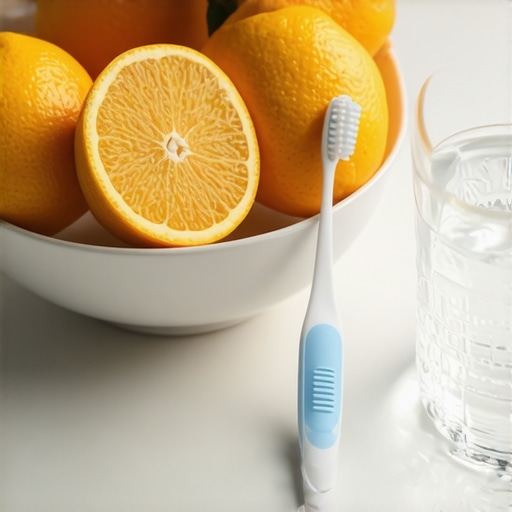 Have you ever fallen into this trap of over-eager cleaning? Let me know in the comments because I certainly did! Another nuance people miss is the ‘DIY whitening’ craze. I’ve seen so many parents trying to save money by using household staples, but the danger of using baking soda to whiten your enamel every day is real. It’s far too abrasive for long-term use and can lead to permanent sensitivity that no fancy paste can fix.
Can a ‘perfect’ routine actually do more harm than good?
It absolutely can if you aren’t paying attention to the ‘oops’ factor of physical force. We tend to think that harder scrubbing equals cleaner teeth, but aggressive brushing is a leading cause of gum recession. If you’ve noticed your gums pulling back, you need to rethink the best toothbrush texture for people with receding gums. A soft-bristled brush is almost always the better choice for preserving the delicate tissue. We are constantly learning that oral health myths debunked are essential for a long-term strategy. When we stop obsessing over ‘scrubbing’ and start focusing on the biological timing of our care, we move from just ‘cleaning’ to true maintaining oral health for a lifetime. It’s these hidden nuances—the timing, the texture, and the pH balance—that separate a basic routine from an expert-level foundation for your kids.I’ve realized that maintaining a family’s oral health isn’t about one-time fixes; it’s about the hardware you keep in your bathroom cabinet. For a long time, I thought any old brush would do, but after seeing the data on plaque removal, I switched my entire family to oscillating-rotating electric brushes. The reason is technical: the micro-vibrations break up biofilm in ways a manual brush simply can’t touch. But if you really want to level up, you have to talk about the tongue. I used to rely on mouthwash for that ‘clean’ feeling, but it mostly just masked odors. Now, I swear by a stainless steel tongue scraper. It’s a game changer because your tongue scraper is more effective than mouthwash for fresh breath by physically removing the sulfur-producing bacteria rather than just drowning them in alcohol.
The Tool That Finally Solved My Morning Breath Issues
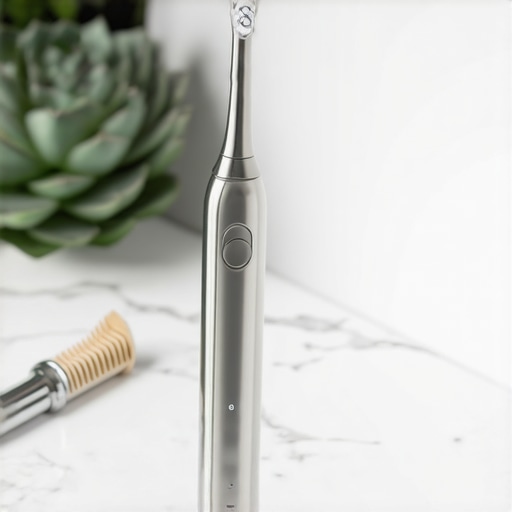 Beyond the scraper, I’ve become obsessed with the data behind our cleanings. According to a landmark study in the Journal of Clinical Periodontology, interdental cleaning—specifically using tools like water flossers—can reduce gingival bleeding by up to 40% more than string floss alone in some patients. I use a professional-grade water flosser every night while I’m catching up on podcasts. For the kids, it’s one of those family dental care hacks to keep your kids smiling daily because they think the water jet is a toy, not a chore. It’s also much more effective for gentle teeth cleaning best practices for sensitive gums, which is a lifesaver if your little one is currently dealing with a loose tooth or a new molar coming in.
Why Your Next Toothbrush Might Be Smarter Than Your Phone
As we look toward 2025, the trend is clearly moving toward bio-integration and AI. We are already seeing revolutionary teeth cleaning techniques for 2025 that include brushes with pressure sensors that sync to your phone, telling you exactly which quadrant you missed. In our office, we’ve already ditched the old ways, which is why we use digital scans instead of goopy impression trays. It’s faster, more accurate, and much less gross. I predict that within three years, home ‘smart scans’ will allow parents to send photos to their dentist for a quick checkup without ever leaving the house.
How can I keep my family’s smiles healthy for the long haul?
The real secret to maintaining oral health for decades isn’t a single product; it’s the consistency of professional oversight paired with high-end home tools. Think of your dentist as the architect and your home routine as the daily maintenance crew. By combining preventive tips for long-lasting dental health for families with regular professional checkups, you prevent the ‘small’ issues from becoming bank-account-breaking emergencies. My big tip for you this week: Go out and buy a stainless steel tongue scraper. Use it for three days straight, and I promise you’ll never go back to just brushing your tongue with a toothbrush again.
The Day I Stopped Obsessing Over Perfect Brushing
I learned the hard way that a toddler’s mouth isn’t a battlefield to be won; it’s a motor skill lab. Here are a few lightbulb realizations I had after months of cleaning blue foam off the walls: One, you can’t force a muscle to learn a reflex. If they aren’t spitting yet, they literally haven’t built the neurological bridge. In the meantime, just use fluoride-free paste and relax. Two, consistency beats intensity every time. A thirty-second fun session is worth significantly more for building a foundation of healthy smiles than a five-minute struggle that leaves everyone in tears. Three, treat the spit like a milestone. Praise the effort of the P-tooi sound even if nothing actually leaves the mouth yet. You are teaching the intention, and the physics will eventually follow.
The Only Sink-Side Tools You Actually Need
[IMAGE_PLACEHOLDER] Forget the fancy character-themed gadgets that break after two weeks. These are the items that actually changed the game for our routine and helped us implement the best family dentistry tips that make oral care effortless and effective: First, the stainless steel scraper. Ever since I discovered why your tongue scraper is more effective than mouthwash for fresh breath, our mornings have been much fresher. It’s oddly satisfying for kids to see what they physically removed! Second, oscillating-rotating brushes. They take the technical scrubbing error out of the equation, making it easier for small hands to get a professional-level clean. Finally, use small clear water cups for the Squirrel Method practice sessions so they can see the water they are learning to control.
Take the Pressure Off the Porcelain
At the end of the day, your goal isn’t just clean teeth tonight; it’s a child who doesn’t grow up with dental anxiety. By making the sink a place of target practice and games, you are successfully maintaining oral health for the long haul. Take a deep breath and remember that every bubbly spit is a win. What’s the funniest (or messiest) thing your toddler has done during target practice at the sink? Let me know in the comments below!