
I was sitting in a dimly lit steakhouse in Seattle, trying to look composed during a final-round interview, when a piece of prime rib decided it was time for my dental crown to retire. One minute I was discussing market share, and the next, I was subtly fishing a piece of porcelain out of my mouth with a cocktail napkin. It is a visceral, heart-stopping moment that turns a professional trip into a medical mission. If you are reading this while staring at a hole in your smile in a hotel mirror, take a deep breath. I’ve been in those shoes, and I know exactly how to navigate this mess without losing your mind or your tooth. Today, I’m going to share the emergency steps that saved my sanity, and hopefully, yours too. Before we dive in, have you ever had a dental disaster strike at the absolute worst possible moment? [image_placeholder_1]
Stop Everything and Find That Piece of Porcelain
The very first thing you need to do—and I cannot stress this enough—is to locate the crown. If you swallowed it, that’s a different conversation, but if it’s in your hand, you’re already halfway to a temporary fix. Most people panic and think their tooth is going to rot instantly, but your priority is protecting the sensitive “stump” or abutment left behind. In my early days of traveling, I made the amateur mistake of thinking a lost crown was just a cosmetic nuisance, but knowing how to handle a crown that popped off is crucial for preventing a full-blown infection. According to the American Dental Association, while a lost crown isn’t usually a “call-an-ambulance” emergency, the exposed tooth is highly susceptible to thermal sensitivity and bacteria. You need to keep it clean and, if possible, get that crown back on using a temporary medium. This isn’t just about looks; it’s about maintaining oral health even when you’re miles from your home zip code.
Is This Really Something I Can Fix Without a Dentist?
You might be skeptical about playing “DIY Dentist” in a Marriott bathroom, and honestly, you should be. You aren’t “fixing” anything permanently; you are triaging. The goal is to create a barrier. If you’ve ever dealt with a situation where a tooth filling falls out, you know the drill: it’s all about temporary protection. I once tried to ignore a loose crown for three days of meetings, and by the time I got home, the gum tissue had grown up and over the margins, making the re-cementing process twice as painful. Whether you are dealing with a permanent fixture or wondering why your temporary crown keeps popping off, the immediate steps are the same. You need to assess the damage and head to the nearest pharmacy.
Clean the Crown Before Doing Anything Else
First, grab that crown and rinse it gently under lukewarm water. Don’t use soap or harsh chemicals; you just want to remove any debris or old cement. Think of it like cleaning a delicate antique—you want to be thorough but incredibly gentle. While you’re at it, use a soft toothbrush to very lightly clean the exposed tooth in your mouth. If it’s too sensitive to touch, just rinse with warm salt water. This is the baseline for maintaining oral health during a crisis. If you can’t get it clean, you’re just sealing bacteria under the cap, which is a recipe for a localized infection.
Protect the Exposed Stump
Once everything is clean, your next move is to shield the “nub” of the tooth. This part of your anatomy is like an exposed nerve ending in the wind. I remember standing in a CVS in Chicago at 11 PM, my hand shaking as I tried to apply a tiny bead of temporary cement. I had used way too much, and when I bit down, the excess squished out like overfilled jelly in a donut. It was a sticky mess, but that “jelly” acted as a thermal barrier. Without it, even a breath of air felt like a lightning bolt hitting my jaw. If you’re struggling with the mess, knowing how to fix a chipped tooth at home until you see a dentist can give you the confidence to handle the materials.
Grab a Temporary Repair Kit from a Pharmacy
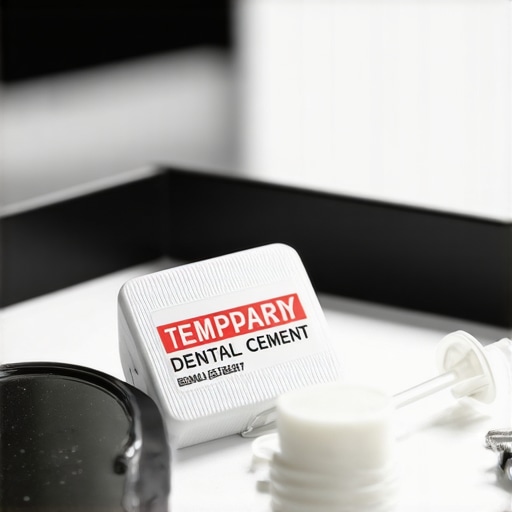
You need to find a drugstore and look for “temporary dental cement” or “zinc oxide.” Brands like Dentemp or Temparin are the gold standard for travelers. These aren’t permanent adhesives; they are more like heavy-duty chewing gum that hardens. If the pharmacy is closed and you’re desperate, a tiny dab of toothpaste or even denture adhesive can act as a very short-term “glue” to hold the crown in place, but don’t expect it to last through a meal. This is a classic tactic for saving a cracked molar while traveling when you can’t reach a professional immediately.
How to Apply the Cement Without Making a Mess
Dry the tooth and the inside of the crown as much as possible using a cotton swab. Moisture is the enemy of adhesion here. Place a small amount of the temporary cement inside the crown, line it up over your tooth, and bite down gently. If it doesn’t feel “right” or your bite feels high, take it off and try again. A high bite can actually cause more trauma to the root. Many patients ask why most dentists prefer zirconia for molars instead of porcelain, and part of the reason is the sheer durability of the fit. With your temporary fix, you have zero durability, so precision is everything.
Watch What You Eat Until You Get Home
This is not the time for a celebratory steak or salt-water taffy. Your temporary cement is brittle. Treat your mouth like a construction zone. Stick to soft foods—yogurt, lukewarm soup, or mashed potatoes. You should also be mindful of how long you should really wait to eat after a cleaning or any dental work; usually, the cement needs at least an hour to fully set. Avoid chewing on the side with the loose crown entirely. It feels awkward, like walking with a pebble in your shoe, but it’s better than swallowing your crown in the middle of a business lunch.
While triaging a lost crown is vital, most people fall into a secondary trap that causes even more long-term damage: the urge to over-clean. You might think that scrubbing the exposed area vigorously will kill bacteria, but you’re actually risking permanent enamel erosion. We often hear that we should brush immediately after every meal to keep things pristine. However, why you should never brush your teeth immediately after eating fruit or acidic coffee comes down to chemistry. When you eat, the pH levels in your mouth drop, temporarily softening the enamel. Brushing during this ‘acid window’ is like using sandpaper on wet wood; you’re literally scrubbing away your tooth structure. A study published in the Journal of Conservative Dentistry confirms that waiting at least 30 to 60 minutes allows your saliva to remineralize the surface. This is one of the most persistent oral health myths debunked for 2025.
Is Your Aggressive Cleaning Habit Creating New Problems?
Many patients come to me with receding gum lines, convinced they have gum disease, only to find out they are ‘over-brushers.’ There is a nuance to maintaining oral health that requires finesse over force. If you’re using a ‘hard’ bristle brush or flossing with a sawing motion, you are participating in the case against aggressive flossing. You aren’t just removing plaque; you’re destroying the delicate interdental papilla—that little triangle of gum between your teeth. Once that’s gone, you’re left with ‘black triangles’ that no amount of cleaning can fix without cosmetic intervention. This is why I always advocate for gentle teeth cleaning best practices for sensitive gums; it’s about longevity, not just immediate sparkle.
The ‘oops’ factor really kicks in when people try to self-medicate cosmetic issues. If your tooth looks gray after a trauma or a lost crown, don’t reach for the whitening strips. This is the one mistake people make when trying to whiten gray teeth: they assume it’s a surface stain. Grayness usually indicates internal issues or thin enamel, and aggressive whitening agents will only make the surrounding teeth brighter, highlighting the ‘dead’ tooth even more. Another subtle trap is the trend of using pantry staples for oral care. While it sounds eco-friendly, the danger of using baking soda to whiten your enamel every day is real because it is highly abrasive. You might see a temporary brightness, but you are effectively stripping the finish off your teeth, leaving porous dentin exposed to deeper staining. This logic extends to children too; many parents overlook why your child needs an early orthodontic evaluation by age seven, assuming baby teeth don’t matter as much as they truly do. Have you ever fallen into this trap of over-cleaning or DIY-ing a dental fix? Let me know in the comments. We’ve all been there, and knowing these nuances is the first step toward a resilient smile. For more guidance, feel free to contact us for a professional evaluation.
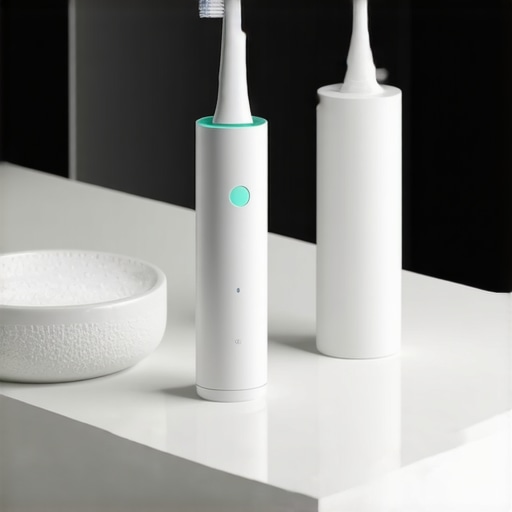
After that crown incident in Seattle, I became a bit of a gear-head when it comes to my bathroom counter. I realized that keeping a smile intact isn’t just about avoiding sticky candy; it is about the precision of the tools you use every single day. I used to think a manual toothbrush and some string floss were the gold standard, but once I saw the plaque levels on my digital scans, I knew I had to level up. If you want to avoid those midnight pharmacy runs, you need a system that prioritizes consistency without the aggression. I personally switched to a sonic toothbrush with a built-in pressure sensor because it physically stops me from scrubbing too hard. This is one of those teeth cleaning secrets to achieve a bright smile without the self-inflicted wear and tear.
How do I maintain my dental results over time?
The secret isn’t a single ‘magic’ product; it’s a combination of mechanical efficiency and chemical balance. For those of us with previous dental work, like bridges or implants, a standard toothbrush won’t cut it. I started using a high-end water flosser specifically because it’s the most effective move to clean under your dental bridge safely without snagging the margins. Maintaining the area around your restorations is the only way to ensure they last a decade instead of a couple of years. If you are managing a household, incorporating family dental care hacks to keep your kids smiling daily is equally important. We make it a ‘tech-check’ every night where we inspect the battery levels of our brushes, turning a chore into a maintenance routine for the whole crew.
Smart Tech is Changing the Brush Game
We are entering an era where your toothbrush is smarter than your first flip phone. Many of the revolutionary teeth cleaning techniques for 2025 revolve around real-time feedback. I’m currently testing a brush that uses haptic pulses to tell me if I’ve spent enough time on my molars versus my incisors. This isn’t just for ‘techies’—it’s a preventive measure that saves thousands in potential root canals and fillings. A specific meta-analysis published by the Cochrane Oral Health Group found that powered toothbrushes resulted in an 11% reduction in plaque after one to three months of use, and a 21% reduction after three months compared to manual brushing. This data is the reason I tell everyone to ditch the plastic stick and invest in something with a motor. It’s a small price to pay when you consider how regular teeth cleaning can prevent major dental issues that could ruin your next vacation.
The Future of Home Diagnostics
Looking ahead, I predict we will see a massive shift toward bio-luminescent rinses and AI-integrated mirrors. Within the next few years, you might swish a specific mouthwash that temporarily stains active decay bright green, allowing you to catch a cavity before it even requires a drill. We are moving away from ‘reactive’ dentistry and into a phase of ‘predictive’ oral health. This is why I’m so passionate about keeping up with maintaining oral health through modern means. Don’t just wait for the pain to start. My challenge for you this week: swap your manual brush for an electric one with a pressure sensor and see if your gums stop bleeding within seven days. If you’re still seeing red, it might be time for a professional deep dive.
The Hardest Lesson I Learned About Dental Resilience
Looking back at that steakhouse incident, the biggest takeaway wasn’t just about the porcelain—it was about prevention and preparation. I realized that most dental emergencies aren’t random lightning strikes; they are often the result of microscopic wear that we ignore because life gets busy. One of the most important oral health myths debunked for me was the idea that a crown is ‘set and forget.’ It requires the same, if not more, attention than a natural tooth. I’ve learned that maintaining oral health is a proactive game. If I had been more diligent with my checkups, my dentist likely would have spotted the weakening cement before I even boarded that flight. Don’t wait for the crunching sound of porcelain to realize your dental routine needs an upgrade.
The Tools That Saved My Smile
I never leave the house for more than 24 hours without a small ‘dental go-bag’ now. It’s not about being paranoid; it’s about being empowered. Here is what I trust implicitly:
- Temporary Zinc Oxide Cement: It is the only thing that actually creates a seal when you are in a pinch.
- A Sonic Brush with Feedback: Learning teeth cleaning secrets to achieve a bright smile taught me that vibration does the work, not my arm strength.
- High-Quality Water Flosser: This is essential for family dental care hacks to keep your kids smiling daily and keeping the margins around my own restorations clean.
#IMAGE_PLACEHOLDER_E#
The Future of Your Dental Health Starts Today
Your smile is often the first thing people notice, but it’s the health underneath that keeps you confident. Whether you’re dealing with a sudden gap or looking to level up your routine with revolutionary teeth cleaning techniques for 2025, remember that every small habit adds up. Don’t let a minor setback like a lost crown discourage you; it’s just a signal to listen more closely to what your body needs. Focus on maintaining oral health consistently, and you’ll spend your next vacation enjoying the sights instead of hunting for emergency pharmacies. If you’re unsure about the state of your current dental work, don’t hesitate to contact us for a comprehensive checkup. Have you ever had a dental disaster strike while you were far from home? Let me know in the comments below!