
It was a sudden realization that hit me during a routine dental check-up—my skin tensed up at the mere mention of metal dental restorations. For years, I had dismissed that uneasy feeling, thinking it was just my imagination, until I started experiencing persistent gum irritation and a strange metallic taste lingering in my mouth. That day, I finally connected the dots: my body was reacting negatively to the metallic components in my dental implants. If you’ve ever faced similar issues—persistent discomfort, allergies, or sensitivity—the concept of ceramic implants might just be the breakthrough you need. Today, I want to share my journey and explain why ceramic implants are gaining recognition, especially among those with metal sensitivities. We’ll explore how they can truly change your life, offering a safe and natural alternative to traditional metal-based solutions.
Why Metal-Free Dental Implants Might Be the Right Choice for You
Is the Hype About Ceramic Implants Just Buzz?
Early in my search for a solution, I made a costly mistake—trusting the usual recommendation without digging deeper. I assumed that all dental implants were essentially the same. It wasn’t until I encountered a peer-reviewed study highlighting that up to 15% of people experience allergic reactions or sensitivities to metals like titanium or nickel, which are common in traditional implants, that I started questioning my choices (source: [American Dental Association](https://www.ada.org)). This eye-opening fact made me realize how often we overlook our body’s signals and opt for quick fixes instead of personalized care. Ceramic implants offer a biocompatible, metal-free alternative that can eliminate these concerns entirely. They are designed to integrate seamlessly with your natural tissue, reducing inflammation and allergic reactions. So, if you’ve felt that familiar irritation or just want a holistic approach to your oral health, ceramic implants might be worth considering. In the following sections, I’ll walk you through what makes them so advantageous, how they compare to traditional options, and what steps you can take to explore this path further. Are you tired of dealing with sensitivity or allergic reactions every time you think about dental repairs? Let’s find out how ceramic implants can make a real difference for you.
Assess Your Oral Health and Get Expert Advice
Begin by scheduling a comprehensive dental examination to evaluate your current oral condition. During the visit, discuss your metal sensitivities and inquire about the suitability of ceramic implants. Think of this step as conducting a detailed map before starting a journey; it ensures you’re prepared for the path ahead.
Prepare Your Mouth for the New Implant
Follow your dentist’s recommendations to optimize your oral environment. This might include professional teeth cleaning, addressing existing decay, or treating gum issues. Use proper teeth cleaning techniques to reduce bacteria and inflammation, creating a healthy foundation for implant placement. I recall the time I meticulously followed a personalized cleaning routine before my procedure—resulting in smoother healing and less discomfort.
Choose the Right Ceramic Implant System
Research and select an implant system that’s proven biocompatible and tailored for ceramic materials. Discuss options with your dentist, who should be able to explain the differences and help you pick one aligned with your needs. Think of it like selecting the right engine for your car — quality and compatibility dictate performance and longevity. I learned this firsthand when I switched to a zirconia-based implant system, noticing fewer post-op sensitivities.
Schedule the Procedure and Prepare for Recovery
Coordinate with your dental team for the surgery date. Prior to the procedure, avoid eating or drinking as instructed, and arrange transportation if sedation is involved. Post-surgery, adhere strictly to aftercare instructions: maintain oral hygiene, avoid hard foods, and use prescribed medications. To prevent infection and promote healing, I kept my mouth exceptionally clean, using gentle rinses and soft foods. Remember, the success of your ceramic implant depends on precise execution and diligent aftercare.
Follow Up for Long-Term Success
Attend all scheduled follow-up appointments to monitor healing and ensure proper integration. Your dentist may recommend specific teeth cleaning practices to keep your implant healthy. This is similar to tuning a machine; regular checks and maintenance prevent future issues. I found that consistent check-ups helped me catch minor concerns early, saving me from more extensive treatments later.
Integrate Daily Oral Care and Lifestyle Habits
Protect your new implant by maintaining vigilant oral hygiene and avoiding habits that could jeopardize its stability, such as grinding or chewing on hard objects. Use a soft-bristled toothbrush and non-abrasive toothpaste to clean around the implant area. Incorporate regular flossing and consider using interdental brushes for cleaning hard-to-reach spots. Like cultivating a garden, daily care ensures your implant thrives over the years.
Applying these steps methodically transforms your journey into a manageable process, reducing risks and enhancing the longevity of your ceramic implant. Keep in mind that education and proactive care are your best tools for success—so stay informed with trusted resources and maintain close communication with your dental provider. This hands-on approach will empower you to enjoy the benefits of metal-free, biocompatible dental solutions for years to come.
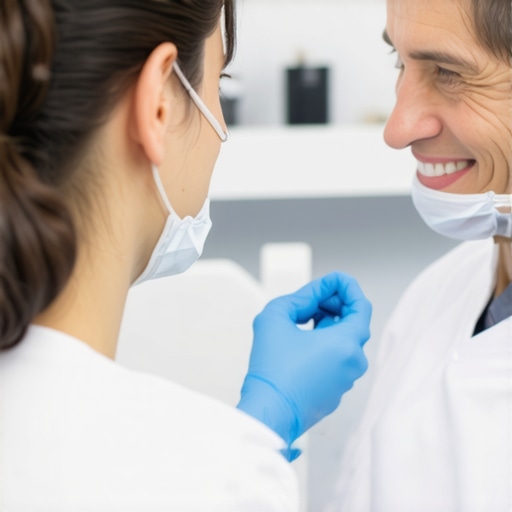 Many people operate under myths and misconceptions when it comes to maintaining oral health, especially in the realm of cosmetic and family dentistry. Contrary to popular belief, frequent teeth cleaning isn’t solely about whitening or fresh breath; it plays a critical role in preventing long-term issues that can be costly and painful later. For example, overzealous or aggressive brushing can actually damage gum tissue and enamel—an advanced mistake that many make without realizing, which underscores the importance of proper technique emphasized in professional teeth cleaning guides. Additionally, there’s a common myth that cosmetic dentistry offers only superficial benefits. In reality, modern procedures like contouring and veneers do much more—they can restore function, improve bite alignment, and prevent further deterioration, as detailed in cosmetic dentistry advancements. What’s often overlooked is the nuanced understanding of your oral microbiome; failing to consider this can lead to persistent inflammation, gum disease, or even systemic health issues. Engaging in regular, gentle cleaning routines tailored for sensitive gums, inspired by best practices for sensitive gums, can be a game-changer. Many think that whitening or veneers are quick fixes, but if not paired with consistent care, they fade or cause iris discoloration. This highlights the importance of integrated health approaches rather than isolated cosmetic updates. Furthermore, neglecting regular family dental check-ups can result in overlooked issues that escalate into complex, expensive interventions. The foundational role of family dentistry, which promotes early detection and habit formation, cannot be overstated (more on family dental care). Remember, a healthy smile isn’t just about appearance; it’s a reflection of your overall health. Make proactive choices today; avoid the trap of superficial fixes that overlook underlying problems. Have you ever fallen into this trap? Let me know in the comments, and explore more expert insights at our resource page.
Keeping Your Smile in Top Shape: Tools I Trust
Maintaining optimal oral health over the years requires more than just regular brushing and flossing. I rely heavily on specialized tools and techniques that have been proven to enhance daily care and ensure lasting results. One of my go-to devices is the sonic toothbrush, specifically the Philips Sonicare DiamondClean. Its gentle yet effective cleaning action reaches deep between teeth and along the gumline, helping to prevent plaque buildup without damaging sensitive tissues. I personally use it twice daily, and I’ve noticed a remarkable decrease in gum irritation and stains.
Another essential tool is the interdental brush, which I use to clean between teeth where traditional floss can sometimes miss plaque. I prefer the GUM Soft-Picks because of their soft bristles that gently clean without causing trauma to gums, especially for those with sensitive tissue, as highlighted in best practices for sensitive gums. These tools help me maintain a clean environment, supporting my long-term goal of avoiding cavities and periodontal issues.
For monitoring my oral health, I use a mirror with LED lighting—a simple yet effective way to visually inspect areas that are hard to reach. Consistent self-assessment helps catch early signs of concerns such as discoloration or swelling, which can be addressed promptly with professional care.
Software Solutions to Track and Improve Oral Care
In addition to physical tools, I integrate software applications like the Dental Monitoring app. It allows me to upload photos of my teeth periodically and receive feedback from my dentist without frequent office visits. This proactive approach not only enhances my care but also reduces costs in the long run, as highlighted in how regular cleanings save money. The app’s AI-powered analysis helps identify early issues, enabling swift intervention before they escalate.
Looking ahead, I believe that advancements in AI-driven diagnostics and smart toothbrushes will make long-term maintenance more personalized and precise. These innovations are shaping the future of dentistry, making it easier for patients to stay on top of their oral health.
How do I maintain my oral health over time?
Consistency is key. Regular professional cleanings, diligent home care with the right tools, and leveraging technology for monitoring are crucial. Remember, early detection through visual checks combined with high-quality tools can prevent minor issues from becoming major problems. Explore cutting-edge options like ultrasonic toothbrushes or digital assessment apps to elevate your routine. I recommend trying the latest in ultrasonic cleaning devices—they can make a noticeable difference in plaque removal and gum health, helping you enjoy a brighter, healthier smile for years to come. For more tips on maintaining oral health, visit this resource.
Why I Wish I Knew the Power of Personalization Earlier
Many times, I followed generic advice without understanding that my body’s unique responses matter. Embracing personalized care, like opting for ceramic implants tailored to my sensitivities, transformed my experience from frustration to confidence. It reinforced the idea that listening to your body and seeking tailored solutions can save you years of discomfort.
The Tools That Revolutionized My Oral Care Routine
From the sonic toothbrush that gently uproots plaque to interdental brushes that reach stubborn spots, these tools became my allies. They empowered me to maintain my oral health proactively, proving that investing in quality tools makes a tangible difference. Regularly updating my care kit, I prioritized tools trusted for their gentle yet effective performance.
The Emotional Gift of Smiling Without Worry
Choosing ceramic implants and adopting effective daily habits gifted me a smile free from anxiety about sensitivities or metal allergies. It’s a reassurance that taking control of your oral health choices can restore not just dental integrity, but also your self-esteem. Every confident smile reflects a journey of informed decisions and proactive care.
Insider Wisdom: Lessons That Gold-Standard Treatments Taught Me
- Don’t underestimate the value of genuine expertise; my dentist’s personalized approach made all the difference.
- Keep exploring advanced options like ceramic implants—they’re not just trendy but backed by science and experience.
- Regular follow-ups are investments in long-term happiness; they prevent minor issues from becoming major burdens.
- True oral health is a mindset—consistent, gentle, and personalized care changes everything.
- Don’t wait for problems to escalate; early action and the right tools are your best allies.
Gear Up with Recommendations That Truly Help
My preferred tools include the Philips Sonicare DiamondClean for thorough yet gentle cleaning, interdental brushes like GUM Soft-Picks for hard-to-reach spots, and LED-lit mirrors for quick visual checks. For reading and understanding the latest advances, I trust books like Cosmetic Dentistry Trends That Transform Your Smile. Additionally, I rely on digital apps such as Dental Monitoring to track progress and stay connected with my dentist remotely—making my care proactive and tailored.
Your Smile, Your Power: Embrace Change Today
Taking that first step toward recognizing what your body needs—like considering metal-free ceramic implants—can redefine your confidence. Your journey to healthier, happier smile begins with small, informed choices. Remember, your best smile is a reflection of your proactive attitude and personalized care. Don’t shy away from exploring options that suit your unique needs—your future self will thank you.
What’s one change you’re ready to make to improve your oral health? Share your thoughts below—I’d love to hear your story!