
Ever experienced that uncomfortable, almost painful feeling after your dentist places a new filling? Maybe you’re biting down, and suddenly your bite feels off—like there’s a tiny mountain in your mouth. I remember the first time I had this happen to me, and I thought, “Did my dentist make a mistake?” It was frustrating, and honestly, a little scary. But here’s the thing: it’s more common than you might think—and surprisingly fixable.
What’s Really Going on When a Filling Feels High
When a new filling feels high, it means that it’s sitting slightly higher than your surrounding teeth, causing that unbalanced bite sensation. This isn’t necessarily because of a mistake, but rather a natural part of the adjusting process. Sometimes, dentists leave a filling slightly high intentionally, anticipating minor adjustments during the follow-up. Other times, it could be a miscalculation during placement or swelling of the surrounding tissue. Either way, it’s a significant cause of discomfort and can lead to jaw pain or uneven wear if not addressed.
From my early days in family dentistry, I learned that misaligned bites from fillings can lead to long-term issues like TMJ problems or accelerated tooth wear. It’s vital to catch and correct these high spots promptly.
As a family dentist, I’ve guided many patients through this experience, and I want you to know—it’s usually a quick fix. But first, let’s consider concerns you might have, like, “Is this really a problem or just temporary?” The answer depends on the situation. Sometimes, your jaw naturally adjusts after a few days, but often, a minor adjustment by your dentist is the best course of action.
In upcoming sections, I’ll walk you through how professionals address this issue, so you know what to expect and how to advocate for yourself if needed. If you’ve recently had a filling placed and the bite feels strange, don’t ignore it—early intervention can save you from future discomfort.
Before moving on, I’ll share a quick tip—avoiding at-home attempts to fix this by yourself. Trust me, you don’t want to accidentally create more problems. Instead, schedule a follow-up visit or call your dentist for advice.
Have you ever experienced a filling that just felt off right after the procedure? If so, keep reading—this is a common issue, and solutions are often simple and effective. Understanding what’s happening can make all the difference in how quickly you return to comfortable biting and smiling confidently. Remember, proper bite adjustment isn’t just about comfort; it’s essential for your long-term oral health. To explore more about cosmetic solutions that can enhance your smile, check out [cosmetic dentistry innovations this year](https://gentlesmiledentist.com/cosmetic-dentistry-innovations-you-cant-miss-this-year). Now, let’s dive into the specific steps dentists take to fix a high bite.
Prepare for the Adjustment
When a patient reports that their new filling feels high, the first step is to assess the bite carefully. I recall a time when I had a patient with a filling that caused discomfort; I gently probed with a dental feeler to identify the high spots, much like a carpenter checking for uneven flooring. Ensuring the patient is comfortable and understands the process is essential before proceeding.
Use Articulating Paper to Identify High Spots
Next, I select a piece of articulating paper—bright red dye that marks contact points—similar to using a highlighter on a map to find the key routes. I ask the patient to gently bite down, then place the paper between their teeth. The spots where the paper is clean indicate areas that are not contact, while the marked areas show where the bite is too high. This step is crucial for pinpointing specific zones needing adjustment.
Apply Precise Adjustments with a Finishing Burs
With the high spots identified, I switch to a fine-grit finishing bur attached to a low-speed handpiece. Think of this tool as a tiny sculptor’s chisel, meticulously shaving off just enough material. I carefully smooth the high points, working incrementally and checking frequently with the articulating paper. It’s important to work gradually to prevent removing too much, which could cause sensitivity or require redoing the filling.
Verify the New Bite
After each small adjustment, I have the patient bite again to test the bite’s harmony. Repeating the process ensures the adjustment is precise. Sometimes, I ask the patient to chew gently on a piece of softened wax, feeling for an even surface—this tactile feedback helps ensure the bite feels natural and comfortable. I also verify that the adjustment has not affected the neighboring teeth or created a new high spot elsewhere.
Final Polishing and Confirmation
Once the bite feels balanced, I polish the restoration to smooth out any rough edges, which helps prevent plaque buildup and discomfort. For the patient, this is where they notice the difference—no more uneven pressure, no discomfort, just a natural, comfortable bite. This process is akin to fine-tuning a musical instrument to produce the perfect sound.
Referrals and Follow-Up
If multiple adjustments are needed, or if the patient experiences persistent issues, I consider prescribing a occlusal guard—like a mouthguard—that can help distribute bite forces evenly. For ongoing protection and maintaining a perfect bite, regular check-ups are vital, and I always remind my patients that proper maintenance can prevent long-term problems.
In my practice, these techniques ensure that high fillings don’t compromise comfort or oral health. Remember, if your bite feels off after a filling, don’t hesitate to seek professional advice; trying to fix it yourself can lead to more issues. Trust your dentist to help you achieve a smooth, pain-free bite that lasts for years.
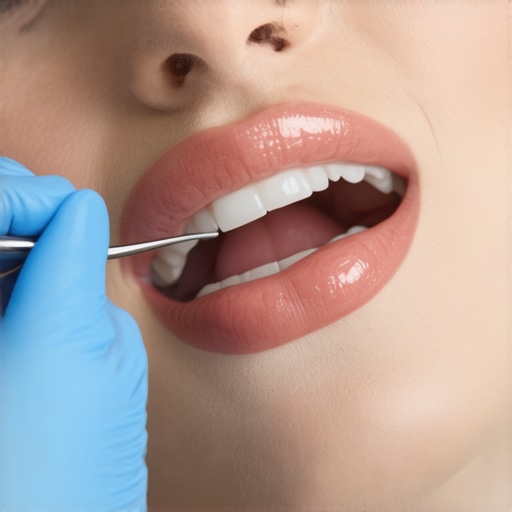 Many people believe that brushing more frequently or using the most aggressive toothpaste guarantees better oral health, but this isn’t always true. In fact, over-brushing or using abrasive products can wear down enamel, leading to increased sensitivity and even cavities. A common myth is that flossing daily is enough to prevent gum disease; however, improper flossing techniques can cause gum recession or bleeding. Proper technique and regular professional cleanings are essential for effective plaque removal.
Does Flossing Really Improve Gum Health Beyond What’s Visible?
Recent studies show that flossing alone has limited benefits unless performed correctly and combined with other periodontal therapies. The key is to floss gently and thoroughly, targeting plaque hidden beneath the gumline without causing tissue damage. Many patients miss this nuance, leading to ineffective oral hygiene efforts.
Another overlooked aspect is the assumption that professional cleanings alone can compensate for poor daily habits. While routine dental visits are vital, they shouldn’t replace proper home care. Neglecting daily brushing and flossing can lead to tartar buildup, which no scaler can fully remove at the clinic. For advanced cases, your dentist might suggest additional treatments such as sealants or fluoride applications—innovations like those discussed in latest cosmetic dentistry trends—to strengthen your teeth further.
Furthermore, there’s a widespread belief that whitening alone improves dental health. But in reality, whitening only addresses surface stains; it doesn’t combat decay or gum disease. Overuse of whitening agents can cause temporary sensitivity and damage if not supervised by a professional. That’s why an initial assessment by your dentist can help tailor treatments safely, as emphasized in cosmetic dentistry guides.
In terms of family dentistry, some assume that children’s teeth don’t require meticulous care until they’re older. This is a trap, as early habits shape lifelong health. Introducing proper brushing techniques to children and scheduling regular check-ups, like detailed in family-specific oral health tips, can prevent future issues. Parents should also be wary of common misconceptions about sugar’s role — it’s not just sugar, but the frequency and sticky nature of certain snacks that increase cavity risk.
Finally, a surprising nuance many overlook involves the impact of saliva. Saliva naturally neutralizes acids and protects enamel, but factors like medications, dehydration, or even stress can diminish saliva production. Understanding this can help you adopt habits like staying hydrated or using saliva-stimulating products, a topic explored in saliva’s role in oral health.
Remember, the path to optimal oral health isn’t just about quick fixes or myths—it’s about understanding these nuanced details. Proper technique, professional guidance, and awareness of subtle factors can make all the difference. Have you ever fallen into this trap? Let me know in the comments.Maintaining excellent oral health requires more than just good habits; it hinges on the tools you choose and how effectively you use them over time. As a family dentist committed to long-term results, I recommend investing in specific, high-quality equipment and adopting proven methods to ensure your smile stays healthy and beautiful. One of my go-to tools is the *electric toothbrush with a pressure sensor*. Unlike manual brushes, these devices, such as the Oral-B Genius series, provide real-time feedback on your brushing pressure, preventing enamel erosion caused by excessive force. I personally rely on them because they ensure thorough cleaning without damaging delicate tissues, especially for patients with sensitive gums.
How do I maintain my dental tools over time?
Regular maintenance extends the life of your tools and preserves their effectiveness. For electric toothbrushes, it’s essential to replace the brush heads every three months—an easy habit that prevents bacteria buildup and maintains optimal plaque removal. Keeping your device clean—wiping the handle and rinsing accessories—also prevents mold and dirt accumulation. For floss, I prefer waxed, shred-resistant brands like Glide, which glide smoothly and last longer without fraying. Proper storage in a dry, ventilated container prevents bacterial growth and damage.
Besides personal tools, I recommend utilizing software like *Dental Monitoring* for remote check-ins. This technology allows me to remotely assess your oral health, giving you timely advice and decreasing the likelihood of small issues escalating into major problems. As dental technology advances, we’re moving toward more integrated, long-term solutions that make maintenance simpler and more effective. Expect future trends to include smarter, app-connected devices that track your oral hygiene habits and remind you when to replace or upgrade your tools, making proactive care more accessible.
In terms of scaling your efforts, consider investing in *LED curing lights* if you’re exploring cosmetic dentistry procedures. These tools rapidly harden composite materials, ensuring durable restorations, and they require minimal maintenance with proper cleaning and calibration. Their precision improves the longevity of treatments like veneers or bonding, ultimately saving you money and time. Learn more about cutting-edge techniques in cosmetic dentistry innovations.
To keep your tools functioning at their best, I suggest setting a regular calendar reminder to inspect and replace components. This proactive approach—paired with proper cleaning, storage, and professional checkups—ensures your equipment remains effective for years. For example, regularly scheduled professional cleanings not only remove plaque but also help maintain the integrity of your existing restorations and tools.
Remember, the key isn’t just having the right tools but caring for them diligently. Practice good maintenance habits, stay informed about new technologies, and seek professional advice when needed to keep everything working smoothly. Try implementing a routine of replacing your electric toothbrush heads every three months and observe the difference it makes in your daily oral care. For tailored advice on your dental tools and maintenance strategies, consult your trusted dentist—your smile’s long-term health depends on it.
Over the years, I’ve realized that the journey to a healthy, pain-free smile often involves small, often overlooked details—like how a tiny high spot on a filling can cause discomfort for months if not addressed promptly. My experience has taught me that embracing precise, patient-centered techniques in bite adjustments leads to not just immediate relief but long-term harmony in oral health.
Lessons Only Insiders Know About Bite Corrections
- Every high spot is a story waiting to be told: When I first encounter a patient with a new filling feeling ‘off,’ I see it as an opportunity to refine my approach, understanding that each adjustment is integral to their comfort and function. It’s a reminder that perfection in every tiny detail is essential for holistic dental care.
- Gentle refinement saves time and tissue: Working with finesse, using the right burs and frequent checks, prevents unnecessary removal of healthy tooth structure and minimizes patient discomfort. This approach reinforces the importance of patience and precision—less is often more.
- Patient feedback is gold: Verbal and tactile feedback from patients guides the final steps of adjustment, making sure their bite not only feels right but truly is balanced. This collaboration elevates the quality of care and client satisfaction.
- Follow-up is key: Sometimes, the perfect bite requires more than one fine-tuning appointment. Recognizing that adjustment is an ongoing process helps set realistic expectations and fosters trust.
- Education bridges the gap: Explaining the purpose of adjustments in simple terms reassures patients and encourages proactive engagement, ultimately contributing to better compliance and oral health outcomes.
Tools and Resources That Elevate My Practice
- The Ultimate Guide to Teeth Cleaning Techniques — This resource deepens my understanding of oral maintenance and informs my approach to restorative work, ensuring that adjustments complement overall hygiene.
- Cosmetic Dentistry Innovations — Staying updated on painless, conservative techniques inspires me to deliver adjustments that look and feel natural, boosting patient confidence.
- Preventive Tips for Dental Longevity — This helps me educate patients on maintaining their balanced bite over time, reducing the need for future corrections.
- Top Tips for Family Oral Health — Understanding family dynamics and habits shapes my approach to personalized adjustments, especially for young or anxious patients.
Your Next Step Toward Comfortable Bites
Remember, the quest for a perfect bite is ongoing and uniquely yours. Taking care of minor high spots early can prevent complex issues down the line, saving you discomfort, time, and money. As you become more attentive to your bite sensations, you empower yourself to seek timely professional help—and that can make all the difference in your lifelong oral health journey.
What small adjustment made your smile feel more natural? Share your experience or questions below—I’d love to hear from you!