
I remember the first time I sat in the dental chair, braced for that little tray of goo at the top of my mouth. The sensation? Awful. The taste? Even worse. And the worst part—waiting for that stiff, sticky goop to set. It was a universal dread among my patients and me alike. That moment of discomfort… it’s a vividly clear reminder of how traditional impressions can turn a straightforward appointment into a test of patience and tolerance.
Stepping Into the Future of Dental Technology
But here’s the good news: things are changing. As a professional in the field and someone who’s experienced both worlds firsthand, I can confidently say that digital scans are revolutionizing how we approach dental impressions. They eliminate that queasy, gag-inducing process and make getting precise measurements easier and faster. This shift isn’t just about convenience; it’s about improving accuracy, patient comfort, and ultimately, the results of treatments like crowns, aligners, and implants.
Is Digital Scanning Truly Worth the Hype?
Early in my career, I made the mistake of dismissing the new tech as just a fad. I stuck with traditional impressions because, frankly, I was comfortable with what I knew. It wasn’t until I saw the difference in patient satisfaction and diagnostic precision—plus fewer re-dos—that I realized I had missed a major upgrade. Embracing digital scans feels like a leap forward, not just a trend. Skeptical? You’re not alone. Many wonder if this change is worth the investment or if it’s just shiny new tech. Well, I can tell you, after years of experience, the benefits far outweigh the doubts.
If you’re curious about how digital impressions can enhance your dental care, you’re not alone. Many practices now highlight these benefits, and some are even sharing how it can save you time and discomfort in the long run. For a glimpse into the potential transformations, check out how cosmetic dentistry is evolving in 2025. This shift is not just about technology—it’s about better, safer, and more comfortable dental experiences for everyone.
So, if you’ve ever faced that queasy sensation or dreaded the sight of that goopy tray, you’re in the right place. Let’s explore why digital scans are becoming the standard and how they can make your next dental visit a whole lot smoother.
End of the introduction. We’ll now dive into the practical reasons why digital scans are superior and how they are reshaping patient care.
Start with Precise Patient Preparation
Before capturing digital scans, ensure the patient’s mouth is clean and dry. I once had a messy session because I didn’t ask the patient to rinse thoroughly; residual debris distorted the scan. To avoid this, instruct patients to brush and rinse, then dry the area with a gentle air blower. Use a saliva ejector to keep the mouth dry, especially in areas prone to moisture. This preparation ensures the scan software can accurately detect all surfaces without interference.
Positioning for Optimal Scanning
Position the patient comfortably with adequate lighting. I remember adjusting the chair mid-scan because the patient’s tongue kept blocking the view. Use a chin rest or adjust the head position so the area of interest is accessible and stable. Consistent positioning minimizes errors and reduces the need for rescans, saving time and improving accuracy.
Calibrate the Scanner Properly
Calibration is crucial; I once skipped this step and had to redo a scan, leading to delays. Follow the manufacturer’s instructions to calibrate the device regularly. Usually, this involves running a calibration wand or plate through the scanner software. Proper calibration ensures the device’s sensors are aligned, giving you high-precision results every time.
Capture the Scan with Precision
Move Smoothly and Systematically
When scanning, move the wand steadily over the area, maintaining consistent distance and speed. I recall rushing through a scan once, which led to missing critical areas. Develop a systematic approach: start from one corner and work your way across, overlapping each pass slightly. This ensures complete data collection and reduces the need for re-scans.
Use Proper Technique for Different Areas
For hard-to-reach spots, such as molar pits, tilt the wand slightly and take multiple passes from different angles. During a procedure, I manually adjusted the wand angle for posterior teeth, resulting in a clearer impression. Remember to keep the scanner’s tip at the same distance from surfaces for uniform images.
Verify the Data Immediately
After capturing, review the scan on the screen. I learned this quickly when I neglected to check for blind spots; some areas needed retaking. Confirm that all surfaces are captured, including occlusal, buccal, and lingual sides. Use the software tools to highlight any missing regions and re-scan if necessary, preventing delays during follow-up appointments.
Save and Backup Securely
Properly save the files in the patient’s digital record. I once lost a file because I didn’t back it up, causing unnecessary stress. Follow best practices by exporting in standard formats like STL or PLY and store copies securely on encrypted drives. This safeguards your data and facilitates easy sharing with labs or specialists.
By mastering these steps, you transform digital impressions from a daunting task into a straightforward, efficient process. The key is practice, attention to detail, and understanding that each step builds upon the last to achieve perfect results every time.
Many assume that brushing twice daily and visiting the dentist regularly are enough for optimal oral health. However, this common belief masks several nuanced errors that can undermine even the most diligent routines. One widespread misconception is that aggressive brushing is always better, leading people to scrub vigorously, which can erode enamel and cause gum recession. In reality, gentle yet thorough brushing using proper technique is far more effective, and overzealous scrubbing can do more harm than good. For expert guidance on proper brushing habits, check out best practices for gentle teeth cleaning.
How does flossing fit into advanced oral health strategies?
Many believe flossing is optional or secondary to brushing. Yet, neglecting interdental cleaning overlooks crucial areas where plaque accumulates, increasing the risk of cavities and gum disease. Proper flossing technique involves gentle movement to avoid damaging delicate gums and ensuring that debris is effectively removed from tight spaces. Incorporating interdental brushes or water flossers can make a significant difference, especially for those with braces or dental restorations. For insights into effective family oral care, visit family dentistry tips.
Breaking the myth of speedy whitening: What you need to know
A common misconception is that quick whitening treatments are safe and long-lasting. In truth, many over-the-counter options can damage enamel if used excessively or improperly. Professional cosmetic dentistry offers tailored solutions that consider your unique dental chemistry, ensuring safety and optimal results. Additionally, maintaining shade after whitening involves more than just touch-up treatments; diet, habits, and routine cleaning play vital roles. Delve into the latest cosmetic dentistry innovations for more details.
Family dentistry mistakes that can cost much more over time
Neglecting regular check-ups or delaying treatments like sealants and fluoride applications can lead to costly procedures later. Moreover, assuming that children’s teeth are less susceptible to decay often results in missed early interventions. Preventive measures are crucial for establishing long-term oral health; explore preventive tips designed for families.
Understanding these nuanced aspects of oral health not only improves routine practices but also safeguards you from common pitfalls that could compromise your smile’s longevity. Remember, the devil is in the details—what seems minor can be a major factor in your dental health. Have you ever fallen into this trap? Let me know in the comments and share your experiences. Your smile is worth the extra effort.
Keeping It Working with the Right Tools
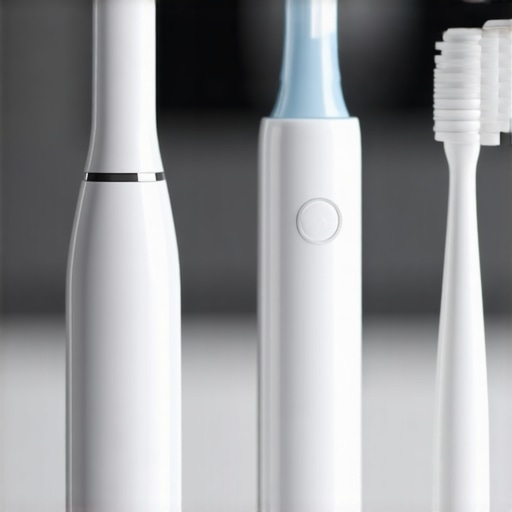
Maintaining excellent oral health requires more than just good habits; it hinges on having the proper tools that deliver consistent, effective results. Personally, I rely heavily on the Philips Sonicare DiamondClean Smart electric toothbrush. Its advanced sonic technology provides superior plaque removal compared to manual brushing, especially around hard-to-reach areas. Furthermore, the pressure sensor feature helps prevent over-brushing, which can damage sensitive gums over time. Using a high-quality brush like this ensures that my daily routine remains both safe and effective, forming the foundation for long-term oral health.
For interdental cleaning, I prefer the Waterpik Water Flosser. Traditional flossing can be tricky, especially for patients with braces or dental restorations. The water flosser offers gentle yet thorough cleaning, removing debris from tight spaces. Its adjustable pressure settings make it suitable for even sensitive gums, reducing the risk of recession or bleeding. I recommend incorporating a device like this into your daily routine to bolster your interdental hygiene, which is vital for preventing cavities and gum disease.
Investing in Advanced Monitoring Software
Technology isn’t just about cleaning tools but also about monitoring progress. I utilize specialized software that tracks my patients’ oral health over time. These platforms analyze data collected during checkups and digital scans, helping identify patterns or emerging issues before they become significant problems. Embracing such tools allows for proactive care, enabling me to make personalized treatment adjustments that ensure longevity and cosmetic excellence — like those highlighted in upcoming cosmetic trends.
Predicting Future Trends in Oral Maintenance
Looking ahead, I believe that AI-powered diagnostic tools will become standard in dental practices. These innovations will provide real-time insights and predictive analytics, guiding both clinicians and patients toward more effective, tailored maintenance routines. For example, integrating AI with digital scans can detect subtle enamel erosion or early gum inflammation that might otherwise go unnoticed, enabling preventive action. Such advancements will elevate long-term results, reducing costly interventions and improving overall patient satisfaction.
How do I maintain my dental tools over time?
Proper maintenance of your dental tools is essential for continuous high performance. Regularly replace brush heads every three months and ensure water flossers are descaled to prevent bacterial buildup. Clean your digital scanning devices with manufacturer-approved disinfectants to prolong their lifespan and maintain accuracy. Additionally, store all devices in a dry, dust-free environment. Following these simple steps preserves equipment integrity, ensuring you receive consistent, reliable care — and encourages a proactive approach to oral health that aligns with current innovations and cosmetic dentistry advancements.
Want to get your dental practice or routine up to speed? Consider trying the recommended water flosser and investing in monitoring software. These tools, combined with diligent maintenance, will keep your oral health system running smoothly for years to come.
The Hardest Lesson I Learned About teeth cleaning,oral health,cosmetic dentistry,family dentistry
One of the most profound lessons came early on when I underestimated how vital proper digital calibration is. Skipping this step led to inaccurate impressions and wasted appointments, reminding me that even cutting-edge technology needs careful attention to detail. It taught me that mastery over tools, no matter how advanced, requires humility and patience.
3 Myths About teeth cleaning,oral health,cosmetic dentistry,family dentistry That Held Me Back
Believing that more aggressive brushing results in cleaner teeth was a costly misconception. It took real-world experience to realize that gentle, consistent cleaning with proper technique far outperforms harsh scrubbing. Clearing up this myth transformed my approach to recommending daily routines, emphasizing prevention over correction.
What Experts Won’t Tell You About teeth cleaning,oral health,cosmetic dentistry,family dentistry
One insight that often goes unsaid is how personalized dental care truly needs to be. Monolithic advice rarely addresses individual anatomy or lifestyle factors. Embracing tailored treatment plans, supported by digital scans and monitoring software, has vastly improved both patient outcomes and satisfaction, solidifying my belief in customizing care whenever possible.
My Essential Toolkit for teeth cleaning,oral health,cosmetic dentistry,family dentistry
I swear by premium tools like the Philips Sonicare DiamondClean Smart for daily brushing because it ensures thorough cleaning without damaging sensitive gums. For interdental cleaning, Waterpik Water Flossers are irreplaceable, simplifying hard-to-reach areas. Investing in these tools has made a tangible difference in long-term oral health maintenance.
Where to Go from Here
Continuing education and embracing emerging technologies are key. Explore the latest cosmetic dentistry trends in cosmetic dentistry innovations for 2025 and stay ahead. Commit to regularly updating your knowledge and tools—you’ll find that your smile and confidence improve exponentially.
Believe in Your Power to Change Your Smile
Every step toward adopting better digital scanning, personalized routines, or advanced monitoring brings you closer to a healthier, more radiant smile. When you embrace these lessons and tools, you’re not just maintaining oral health—you’re transforming your relationship with your smile. So, why not start today? Your future self will thank you.
What new technique or tool are you most excited to try to improve your dental routine? Share your thoughts below!
,