
Last week, I found myself sitting in my car after a routine teeth cleaning, feeling oddly foggy and disoriented. It hit me — this lingering sedation might affect more than just my comfort during the procedure. Realistically, how long does sedation actually stay in your system? I used to brush this concern aside, thinking a quick nap post-appointment was all that was needed. But after some personal experience and a bit of research, I realized this is a crucial question many overlook. Has it ever happened to you that you felt groggy longer than expected after visiting the dentist? That uneasy feeling that maybe, just maybe, the sedation was still working its way out? Well, you’re not alone, and today, we’re diving into that exact concern.
The Hidden Timeline of Sedation Clearance
Sedation dentistry offers a fantastic way to make dental visits less stressful, especially for those with dental fears. But understanding how long sedation sticks around is key to managing your day after the appointment. Different sedatives linger in your system for varying durations, influenced by factors like age, weight, liver function, and the type of sedative used. For instance, conscious sedation using medications like midazolam can stay in your system for several hours, sometimes even longer for certain individuals. According to a study published in the National Institutes of Health, the effects of oral sedation can last anywhere from 2 to 6 hours, with residual drowsiness sometimes extending into the next day. Knowing this, I started planning my post-appointment routines more carefully—avoiding driving or operating heavy machinery, and informing family or friends that I might need a little extra time to recover.
This awareness isn’t just about safety; it’s about respecting your body’s processes. Early on, I made a mistake of dismissing the grogginess as insignificant, only to realize it could linger much longer if I pushed myself. A little caution went a long way in avoiding unnecessary discomfort or mishaps. Understanding the pharmacokinetics of sedative meds helps in making better choices, like scheduling restful recovery time and ensuring you don’t get caught unprepared.
Is Sedation Effects Actually Worth the Hype?
Many folks worry about sedation making them vulnerable or overly sedated for too long. When I first opted for sedation, I wondered if the benefits truly outweigh the possible downsides. My biggest mistake was underestimating how individual factors could affect clearance times. I assumed that since I felt fine after a couple of hours, I was in the clear. That’s not always the case. Research shows that the way our bodies metabolize sedatives can lead to surprises—some people wake up feeling alert, while others feel foggy well into the next day. So, it’s vital to listen to your body, follow your dentist’s advice, and plan accordingly.
If you’re contemplating sedation for your next visit, it’s worth understanding these nuances. Proper planning ensures you’re safe and comfortable, and you won’t be caught off guard by those lingering effects. Curious about specific ways to manage your recovery or want to learn about advanced sedation options? Check out our contact page to connect with expert care. In the next section, I’ll share practical steps I took to handle sedation side effects, ensuring I was back to my usual self in no time—and you can too.
Let’s unravel the mystery of sedation clearance and give you peace of mind for your next dental adventure.
Plan Your Recovery Day Carefully
Immediately after sedation, treat your day like you would a fragile piece of china. I once scheduled a quick run to the grocery store right after a sedation appointment, convinced I’d feel fine. Instead, I ended up juggling a cart and feeling drowsy, nearly knocking over a display. To avoid this, allocate a ride home and rest time at home, just like you would when caring for a precious porcelain vase. Make sure someone accompanies you if necessary, especially for first-time sedative experiences.
Prepare Your Environment in Advance
Transform your space into a relaxation zone beforehand—dim the lights, prepare comfortable seating, and keep water and light snacks nearby. When I had my last teeth cleaning with sedation, I set up my living room for tranquility, played soft music, and avoided any tasks requiring focus. This physical preparation minimizes stress and helps your body process the medication more smoothly. Think of it as creating a cozy nest that encourages your body to recover without distractions.
Stick to a Gentle Diet
After sedation, your mouth may be sensitive, and your gag reflex subdued. Avoid hot, spicy, or crunchy foods the first few hours. Instead, opt for soft, cool foods like pudding or smoothies. I learned this the hard way when I tried biting into a crusty bread roll—caused discomfort that lingered for hours. By planning ahead and stocking up on gentle options, you prevent unnecessary irritation and support healing. Remember, your saliva production might be sluggish, so keep foods easy to swallow.
Maintain Hydration and Oral Hygiene Carefully
Hydration helps flush out sedatives, just as watering plants keeps them healthy. Sip water consistently, but avoid using a straw—suction can disturb healing tissues. When brushing, do so gently without aggressive scrubbing, especially around sensitive areas. During my recovery, I used a soft-bristled brush and rinsed with a mild, alcohol-free mouthwash to keep bacteria at bay without irritating my gums. Think of your mouth as a delicate garden that needs gentle tending during this period.
Limit Physical and Mental Exertion
Resist the urge to exercise or engage in stressful activities right after sedation. I made the mistake of trying to catch up on work, only to feel light-headed and unproductive. Instead, focus on resting and recovering. Your body needs time to metabolize the drugs, similar to how a slow-cooked meal needs patience. Even light walks should be gentle—avoid sudden movements or vigorous activity for at least 24 hours, especially if sedatives were substantial.
Observe and Respond to Your Body’s Signals
Pay close attention to how you feel. Persistent dizziness, nausea, or confusion require prompt communication with your dental care provider. When I experienced lingering grogginess, I reached out to my dentist via their contact page. They advised extra hydration and rest, which made a noticeable difference. Think of your body as an internal alarm system—honor its signals to ensure full recovery and avoid setbacks.
Schedule Follow-Up Checks if Needed
In some cases, residual sedation effects might mask discomfort or minor issues, so avoid scheduling important activities immediately afterward. Use your recovery day to evaluate your condition calmly. After my last sedation, I waited a full day before resuming complex tasks, preventing mishaps. If you notice unusual symptoms or prolonged grogginess, consulting your dentist is prudent. Remember, patience and careful observation are your best tools to bounce back efficiently.
Many patients enter the dental chair with preconceived notions rooted in misinformation or outdated advice. While popular beliefs might seem harmless, they can lead to costly mistakes or suboptimal results. Let’s dispel some of these misconceptions and uncover the nuances that every responsible patient should know.
One pervasive myth is that regular teeth cleaning alone guarantees lifelong oral health. In reality, professional cleanings are essential, but they must be complemented with consistent daily care and personalized treatment plans. Studies, such as those published in the long-term dental health research, emphasize that a comprehensive approach is necessary—especially in addressing the hidden nuances of plaque buildup and gum tissue health.
What Advanced Techniques Can Make a Real Difference in Your Smile?
Many believe that cosmetic dentistry is just about whitening or veneers. However, modern innovations like contouring, laser gum reshaping, and digital smile design are transforming patient outcomes. These procedures require a nuanced understanding of facial aesthetics and tooth biomechanics, which is why consulting a trained professional is crucial. Exploring new trends like contouring veneers can lead to stunning results that align perfectly with your natural beauty.
Another common trap is assuming that more aggressive whitening treatments yield better results. In reality, overuse or improper application can damage enamel and cause sensitivity. The science behind professional whitening advocates for tailored protocols that optimize safety and effectiveness—something an experienced dentist can craft based on your unique dentition.
Furthermore, many overlook the importance of periodontal health as the foundation of any cosmetic enhancement. Mild gum disease or unnoticed pockets can undermine the longevity of veneers or whitening efforts. Regular assessments and personalized maintenance, as discussed in expert advice, are vital to prevent these pitfalls.
Beware of the seductive allure of DIY solutions or unverified treatments advertised online. In the quest for quick fixes, patients risk long-term damage. Instead, invest in a consultation with a qualified professional who can offer evidence-based, personalized care. This proactive attitude not only preserves your current smile but also paves the way for future enhancements.
Have you ever fallen into this trap? Let me know in the comments. Remember, the key to effective oral health and cosmetic dentistry isn’t just in the treatments, but understanding the hidden nuances that make all the difference.
Keeping Your Smile in Top Shape Requires Smart Tools
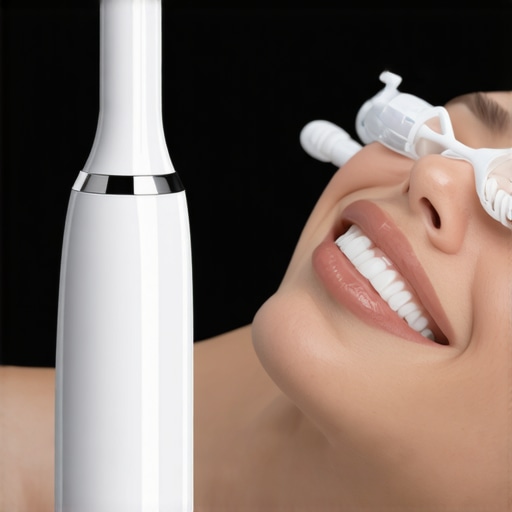
Maintaining optimal oral health over time involves more than just routine brushing and flossing. Investing in quality equipment and adopting proven methods can make a significant difference. Personally, I rely on the Philips Sonicare DiamondClean Smart electric toothbrush because of its advanced sonic technology and customizable modes, which effectively remove plaque without irritating sensitive gums. Its built-in sensors track coverage, ensuring no area is neglected, and the app integrates with your oral health routine to remind you of replacement intervals and brushing techniques. These features have helped me stay consistent and achieve better long-term results.
Alongside brushing, regular professional cleanings are vital. I schedule my deep cleanings every six months and use adjuncts like water flossers. The Waterpik Aquarius not only makes flossing more efficient but also helps reach those hard-to-access areas, especially after cosmetic procedures like veneers or whitening. These tools supplement my daily routine, making maintenance manageable and more effective over the years.
For assessing and tracking my oral health progress, I use Dental Monitoring apps that allow my dentist to remotely evaluate my oral hygiene between visits. This integration of technology facilitates early detection of issues such as plaque buildup or gum recession, preventing more costly interventions later. As technology continues to advance, I believe we’ll see smarter, AI-driven tools that personalize oral care even further, making the process both more accessible and preventive.
How do I maintain excellent oral health over time?
The key lies in combining high-quality tools with professional guidance. Regularly updating your toothbrush, flossing with efficient devices, and leveraging digital monitoring can sustain your smile’s health and beauty for decades. For a comprehensive approach, consider consulting with your dental provider about personalized maintenance plans and the latest innovations in cosmetic and family dentistry. This ensures your routine evolves with your needs and advances in dental science, like the upcoming new teeth cleaning techniques expected in 2025.
Ready to elevate your dental routine? Try incorporating a sonic toothbrush that suits your needs today — it’s an effective investment in your long-term oral health. For more tailored advice or to explore advanced cosmetic options, reach out through our contact page, and let’s craft your personalized smile care plan.
What I Wish I Knew About Post-Sedation Time
- Never underestimate individual differences—what took one person two hours to recover might take another much longer, especially with certain sedatives or health conditions.
- Pausing to plan your recovery day isn’t just for safety; it transforms discomfort into comfort and prevents unnecessary mishaps.
- Always listen to your body’s signals; ignoring lingering grogginess can delay healing and lead to setbacks.
- Small environmental tweaks—like turning down the lights or soft music—can significantly accelerate your feeling of normalcy.
- Sharing your sedation plan with someone you trust creates a safety net that lets you relax, knowing you’re supported.
Tools and Resources That Changed My Approach
- Philips Sonicare DiamondClean Smart: This toothbrush’s smart sensors keep me mindful of overlooked spots, making every brush a step toward better sedation recovery.
- Deep cleaning tips: Expert strategies that prevent lingering plaque and support overall oral health, crucial after sedation.
- Teeth whitening science: Knowing how whitening impacts sensitivity and recovery helped me schedule treatments wisely.
- Oral health maintenance: Continuous guidance that keeps my smile resilient through all dental adventures.
Find Your Courage to Prioritize Your Smile
Remember, the true power lies in your hands—by understanding sedation clearance, preparing thoughtfully, and listening to your body, you set the stage for a smoother, safer dental journey. Embrace these insights, take proactive steps, and don’t hesitate to reach out for expert advice here. Your healthier, brighter smile awaits—are you ready to make smart choices and cherish your oral health more than ever? Share your experiences or questions below; let’s learn together and keep our smiles shining confidently.