
Ever finished brushing your teeth with a sense of accomplishment, only to be greeted the next morning by that annoying fuzzy feeling? You know, like your teeth are coated in a thin layer of haze, despite your diligent efforts. I remember the first time I experienced this—thinking I must have missed a spot or that my toothbrush wasn’t effective enough. It was frustrating, confusing, and honestly a little alarming.
The Hidden Causes Behind That Fuzzy Feeling
This sensation is more common than you might think. It isn’t just about poor hygiene; sometimes, it’s a sign that something more serious is going on. That fuzzy feeling could be caused by plaque buildup, mineral deposits, or even the early stages of enamel erosion. And let’s not forget, sometimes our daily habits or certain dental products might be contributing to the issue. Research indicates that the early formation of dental plaque can be nearly invisible yet have long-term effects if not addressed promptly (source).
So, how come a simple act like brushing sometimes feels ineffective? Well, it’s partly because we might be missing the proper technique or the right tools. But more often than not, the root cause involves deeper dental health issues that our routine brushing can’t resolve alone. That’s exactly what we’ll explore today—to uncover why your teeth might feel fuzzy even after brushing and how you can properly address it.
Is Over-the-Counter Whitening or Quick Fixes Worth It?
In the quest for a sparkling smile, I’ve fallen for a few trendy products myself—only to realize they sometimes exacerbate the problem, especially if I overlooked my actual oral health needs. Early on, I made the mistake of relying solely on whitening strips without understanding the importance of addressing plaque and mineral buildup first. Trust me, a quick fix doesn’t replace good oral hygiene—and often, it can delay noticing underlying issues that might need professional attention.
If this sounds familiar, don’t worry. Facing these concerns is the first step toward better dental health. Ready to delve into the practical ways to banish that fuzzy feeling for good? Let’s get started!
Mastering Your Daily Teeth Cleaning Technique
Start with a systematic approach, brushing at a 45-degree angle to your gums using gentle, circular motions. This ensures you dislodge food particles and plaque without harming delicate tissues. I once accidentally used a scrubbing motion, which caused gum irritation and an increase in plaque buildup. Now, I focus on gentle, thorough cleaning, covering all surfaces for at least two minutes.
Use the Right Tools
Opt for a soft-bristled toothbrush or an electric one with oscillating heads to reach difficult areas. Replacing your toothbrush every three months keeps bristles effective. I learned this through a personal trial—switching tools resulted in a cleaner mouth and less fuzzy sensation.
Target Plaque and Mineral Buildup Effectively
Incorporate interdental cleaners like dental floss or water flossers daily to remove debris between teeth where brushing can’t reach. For stubborn deposits, consider using a plaque-removing paste or visiting your dentist for a professional cleaning. Regular cleanings can prevent the accumulation of mineral deposits that cause that fuzzy feeling, as emphasized in this comprehensive guide.
Schedule Regular Dental Cleanings
Professional cleanings remove tartar and mineral deposits that DIY routines can’t handle. I scheduled my cleaning after noticing persistent fuzziness, and the difference was immediate—my teeth felt smooth, and the sensation disappeared. Remember, early detection of buildup can save you money and discomfort later in life, as discussed here.
Enhance Your Cosmetic Dentistry Practices
Cosmetic procedures like whitening or veneers can improve the appearance of your teeth but are not substitutes for proper hygiene. Before opting for cosmetic enhancements, ensure your oral health is optimal. Sometimes, addressing underlying issues like plaque or enamel erosion is a prerequisite for the best aesthetic results, which you can learn about here.
Incorporate Lifestyle Changes
Reduce sugary snacks and acidic drinks that accelerate mineral deposits and erosion. Use a straw to minimize contact with teeth when consuming staining beverages like coffee or red wine. I personally started drinking through a straw, which made a noticeable difference in my smile’s brightness and overall sense of cleanliness.
Stay Consistent and Monitor Progress
Keep a dental hygiene journal or set reminders to track your routine. Regular self-assessment helps identify persistent issues early. If fuzziness or plaque buildup continues despite diligent care, consult your dentist promptly—professional evaluation can pinpoint underlying problems like early decay or enamel erosion that home care can’t resolve.
Implementing these targeted steps has transformed my oral health, turning a frustrating fuzzy feeling into a fresh, clean sensation. Remember, consistency is key—your mouth’s health benefits from persistent effort and professional support when needed.
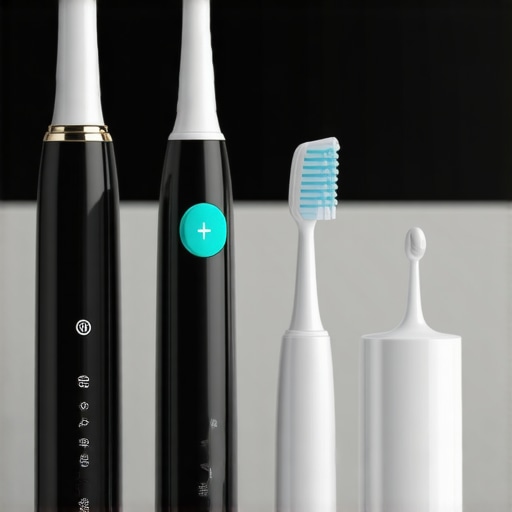
Many people believe that simply brushing twice a day and avoiding sweets guarantees excellent oral health, but in reality, this oversimplifies a complex system. One of the most widespread myths is that hard brushing or aggressive flossing will speed up cleaning, which can actually damage your gums and enamel, leading to increased sensitivity or recession. It’s crucial to understand that proper technique and the right tools are key; using a soft-bristled toothbrush and gentle circular motions is far more beneficial, as emphasized in our comprehensive guide. Additionally, many assume that cosmetic procedures like whitening or veneers can fix underlying health issues, but skipping preventive care can worsen problems like plaque accumulation, which ultimately compromises aesthetics and health. A common trap is relying solely on over-the-counter whitening products without addressing plaque or early decay, risking tooth sensitivity or damage. Advanced practitioners recognize that routine professional cleanings are essential to remove tartar and mineral deposits that home care often misses, preventing long-term complications and saving money, as discussed here. For families, it’s a mistake to assume that daily routines are enough without systematic oversight; implementing a shared dental calendar and regular checkups can build a strong foundation of health for everyone, detailed here. An overlooked nuance involves the misconception that teeth whitening can be universally safe and effective; however, individual factors like enamel health or existing restorations influence outcomes and risks, making professional assessment crucial, as outlined here. Advanced dentistry also emphasizes personalized care plans that consider these nuances—something many are unaware of amidst cosmetic trend hype. So, have you ever fallen into this trap? Let me know in the comments. Truly understanding the subtle differences and pitfalls can make a significant impact on your oral health journey.Maintaining your oral health over years requires more than just brushing and flossing; it demands the right tools and strategic routines. Personally, I swear by my ultrasonic toothbrush, the **Sonicare DiamondClean**, because it produces up to 62,000 brush strokes per minute, effectively disrupting plaque and mineral buildup that can cause that fuzzy feeling even after brushing. Its built-in timer ensures I brush long enough on all sides, which is crucial, as highlighted in the comprehensive guide on teeth cleaning techniques.
For interdental cleaning, I prefer water flossers over traditional floss because they reach deeper into periodontal pockets and are gentler on sensitive gums. The **Waterpik Aquarius** has adjustable pressure settings and a range of tips tailored for family members of all ages. Incorporating this into your routine can prevent mineral deposits and plaque accumulation that cause long-term issues, ensuring your smile stays vibrant and healthy.
Another game-changer is using professional-grade polishing pastes like **Clinpro** during routine cleanings, which help remove surface stains and mineralized deposits that home care products might miss. Regular visits for dental cleanings, ideally every six months, remove tartar and early plaque buildup, providing an extra layer of protection. These proactive measures are emphasized in the long-term savings article and help preserve enamel integrity.
The future of maintaining oral health points toward smart technologies. Wearable devices and AI-driven apps are emerging to monitor plaque buildup and suggest personalized care routines. For example, apps like **Dental Monitoring** use AI to analyze your photos and give tailored feedback — a promising trend that will make long-term care even more accessible and precise.
How do I keep my dental maintenance routine effective over time?
The key lies in consistency and knowledge — understanding how each tool contributes to your health and adjusting as your needs evolve. For example, switching to an oscillating-rotating toothbrush or incorporating a water flosser can significantly enhance your cleaning efficacy. Remember, these tools are supports to professional advice; scheduling regular dental visits is essential to catch issues early and adapt your care plan. To boost your confidence and aesthetic results, consider consulting a cosmetic dentist about the latest trends, such as contouring veneers which are becoming more personalized (details here).
By investing in high-quality tools and staying informed about advancements, you’re setting yourself up for a lifetime of healthy smiles. I recommend trying my favorite ultrasonic toothbrush and water flosser combo to see immediate improvements. For a comprehensive approach, explore these teeth cleaning strategies and implement routine professional cleanings. Remember, maintaining dental health is an ongoing journey, and the right tools make all the difference.
What I Wish I Knew About Long-Term Dental Health
One of the most profound lessons I learned was how much more effective consistent, gentle care is compared to seeking quick fixes. I used to believe that aggressive brushing and frequent whitening could compensate for overlooked plaque buildup, but I later realized that understanding my unique oral anatomy and habits was crucial. This lightbulb moment taught me that personalized routines, tailored by professionals, create lasting results beyond superficial brightness.
Another discovery was the importance of patience and regular professional support. The temptation to ignore initial signs of buildup or sensitivity can delay addressing underlying issues, sometimes leading to costly interventions. Investing in routine dental cleanings and understanding early warning signs has saved me from unnecessary discomfort and expense, emphasizing that proactive care truly pays off over time.
I also found that engaging with trusted resources—like quality literature and skilled practitioners—transformed my approach to oral health. Learning about advances in family dentistry and cosmetic options helped me make informed decisions that enhance both function and self-esteem. Remember, your journey toward a healthy, confident smile is as much about education as it is about daily habits.
My Must-Have Tools for a Bright, Healthy Smile
- Sonicare DiamondClean: Its powerful yet gentle brushing disrupts plaque effectively, helping prevent that fuzzy feeling and maintaining enamel health.
- Waterpik Aquarius: A water flosser that reaches deep between teeth and gums, making interdental cleaning easier and more effective than traditional flossing.
- Comprehensive teeth cleaning guide: This resource gave me practical techniques and insights that refined my routine and elevated my dental care habits.
- Professional-grade polishing pastes like Clinpro: Used during cleanings to remove surface stains and mineral deposits, supporting a brighter smile and fresher feeling.
Your Smile Evolution Starts Today
The path to a healthier, more radiant smile is ongoing, and each small step builds toward lasting confidence. Embrace the tools, knowledge, and support available—your future self will thank you for the commitment you make now. Remember, achieving optimal oral health isn’t just about appearance; it’s about the foundation of your overall well-being and happiness. Take the first step today, and don’t hesitate to reach out for expert guidance along the way.
What adjustments have you made in your daily dental routine that made the biggest difference? Share your experience below, and let’s grow healthier together!