
I remember the first time I accidentally took a bite of steaming hot food and immediately felt that sharp, fiery sensation painful enough to make me regret my impatience. It was such a startling moment—I had just scrambled to cool down my mouth, staring at the reflection in the mirror, wondering if I had just caused permanent damage. That incident made me realize how common yet frustrating mouth burns can be, and how everyone needs a reliable way to handle them fast.
Dealing with the Burning Sensation in Your Mouth
When hot food hits the roof of your mouth, it can feel like an instant inferno—blazing and almost unbearable. The initial sharp pain might fade quickly, but the underlying tissue can be injured, leading to discomfort that lasts for hours or even days. If you’ve ever experienced this, you know how tempting it is to reach for cold beverages or ice, hoping to douse the pain. But I’ve learned from my own mistakes that not every quick fix works—and some may even worsen the injury.
So, what’s the best way to treat a burn on the roof of your mouth? Today, I’ll share practical tips based on personal experience and trusted dental advice. My goal is to help you soothe that fiery pain safely and prevent complications. No more guessing games—just straightforward, effective actions you can trust.
Is Rinsing with Salt Water Really the Best Method?
Early on, I made the mistake of thinking that rinsing with harsh mouthwashes or trying to scrub the burn would help. In reality, I only aggravated the tissue, prolonging healing. Instead, I found that gentle rinses with warm salt water can promote healing and reduce discomfort. Salt has natural antibacterial properties—supporting your body’s healing process—similarly to how a recent study highlighted its importance in oral care routines. You can prepare a simple saltwater rinse by dissolving half a teaspoon of salt in a cup of warm water and rinsing gently.
Handling mouth burns effectively isn’t just about immediate relief; it’s about protecting your oral tissue from further harm. The sooner you act with the right approach, the faster you’ll heal and get back to your normal routine. Ready to explore the best steps for soothing your burn? Let’s dive into the practical solutions that really work.
Apply Gentle Cooling Techniques Immediately
As soon as you feel the burn, remove any hot food or drink and gently rinse your mouth with cool, not ice-cold, water. I remember one time I accidentally took a sip of hot coffee, and in a hurry, I splashed cool water into my mouth. The initial relief was instant, and it prevented the burn from worsening. Avoid using ice directly against the tissue, as extreme cold can damage already irritated tissue further. Instead, use a clean, soft cloth dampened with cool water to gently press against the affected area for a few minutes.
Use a Saltwater Rinse to Promote Healing
After the initial cooling, preparing a mild saltwater rinse is a crucial step. Dissolve half a teaspoon of salt in a cup of warm water. Gently swish this solution around your mouth for 30 seconds, making sure the liquid contacts the burn area. Saline helps reduce bacteria, soothe tissue, and encourages healing. I once left this step out thinking a plain rinse was enough, but I noticed my discomfort lingered longer until I started consistent saltwater rinses. Repeat this 3-4 times daily, especially after eating or drinking.
Opt for Soft, Cool Foods and Avoid Irritants
Eating soft foods like yogurt, mashed potatoes, or smoothies minimizes mechanical irritation to the burnt tissue. I learned this firsthand when I tried to eat a crunchy apple the same day I burned my palate; the abrasive texture worsened the pain and slowed healing. Keep foods cool or at room temperature and steer clear of spicy, acidic, or salty dishes that can sting or inflame the area. For hydration, opt for room-temperature fluids to avoid thermal shock that can aggravate the tissue.
Over-the-Counter Anesthetics for Quick Relief
For immediate pain relief, consider applying a topical oral anesthetic gel containing benzocaine. These products temporarily numb the area, making it easier to function comfortably. Use as directed and avoid over-application, which can cause additional irritation or numbness that hampers your ability to speak or eat. I used a gel once when the pain was almost intolerable; within minutes, I felt significant relief, allowing me to rest and focus on healing.
Maintain Good Oral Hygiene Without Aggravation
While keeping your mouth clean is vital, aggressive brushing can worsen a burn. Use a soft-bristled toothbrush and a gentle, fluoride-containing toothpaste. I found that applying the toothpaste with a light touch and avoiding the burned area prevented unnecessary irritation. Rinse with saltwater after meals instead of using alcoholic mouthwashes, which can sting and dry out tissue, delaying healing. Regular, careful cleaning prevents infection and supports tissue recovery.
Monitor and Seek Professional Advice if Necessary
Most mouth burns heal within a week. However, if you notice persistent pain, swelling, blistering, or signs of infection such as pus or fever, consult your dentist promptly. When I experienced prolonged discomfort, I visited my dental clinic where they assessed the tissue and recommended specific treatments to promote faster healing. Remember, swift professional intervention can prevent complications and ensure your mouth recovers fully.
Many people assume they fully understand dental health, but in reality, there’s a lot more beneath the surface. One prevalent misconception is that regular brushing alone guarantees complete oral health. While brushing is foundational, it often leads to neglecting other crucial aspects such as flossing and professional cleanings. For example, some believe that using a hard-bristled toothbrush cleans better, but this can actually damage gums and enamel over time. Experts emphasize that gentle brushing with a soft brush and proper technique is more effective and protective.
Another misunderstood aspect is the role of cosmetic dentistry. Many think it’s solely for aesthetic improvement, but procedures like dental veneers or whitening can also protect and strengthen teeth, preventing further decay and damage. However, people often rush into pricey treatments without understanding the long-term implications or maintenance needed. It’s vital to consult with professionals who can tailor solutions to your specific needs—this is where comprehensive family dental care advice becomes invaluable.
Are At-Home Whitening Kits Safe for Long-Term Use, or Do They Mask Underlying Issues?
Many are tempted by over-the-counter whitening products, believing they are harmless and quick fixes. But without professional guidance, they can cause uneven results, enamel sensitivity, or even worsen existing dental problems. A study published in the Journal of Esthetic and Restorative Dentistry highlights that improper bleaching can damage the enamel’s microstructure, leading to increased vulnerability. Therefore, it’s crucial to seek dental supervision for whitening procedures, ensuring safety and optimal results. Don’t fall into the trap of masking cosmetic flaws without addressing the underlying health—think of whitening as an enhancement, not a shortcut to healthy teeth. For more insights on achieving a stunning, safe smile, check out [this guide on teeth whitening science](https://gentlesmiledentist.com/the-science-behind-teeth-whitening-achieve-stunning-results-fast).
Understanding these nuances helps prevent common pitfalls and enhances your overall oral health. Regular professional [family dentistry tips](https://gentlesmiledentist.com/family-dentistry-tips-that-make-oral-care-effortless-and-effective) and comprehensive care are vital for lifelong smiles. Remember, what most people get wrong isn’t just a minor detail—it’s a matter of health, confidence, and genuine wellbeing. Do you see yourself falling into these traps? Share your experiences below and let’s discuss how to navigate them effectively.Maintaining your oral health over time requires more than just daily brushing and flossing; it involves using the right tools and methods to ensure lasting results. One of my top recommendations is investing in a high-quality electric toothbrush, such as the Sonicare DiamondClean. I personally prefer this model because it offers sonic technology that effectively removes plaque without aggressive brushing, which can damage gums and enamel—something I’ve seen happen when using less advanced devices. Its built-in timers also encourage consistent brushing duration, crucial for comprehensive cleaning. For those who want to elevate their oral care routine, pairing this with a water flosser like the Waterpik Aquarius can make flossing easier and more effective—especially for those with braces, implants, or limited dexterity. The pulsating jet reaches areas that traditional floss can’t, helping to prevent cavities and gum disease. In terms of software, I recommend using dental health tracking apps such as Brush DJ, which syncs with your toothbrush and reminds you when to brush or replace the brush head. These tools help create a routine and maintain accountability, leading to better long-term outcomes. Looking ahead, I believe the trend in family dentistry is moving toward more integrated, AI-driven diagnostic tools that monitor oral health and personalize preventive care plans. For example, AI-powered intraoral cameras can detect early signs of decay that might be missed by visual exams, enabling proactive treatment before problems escalate. To stay ahead, I suggest adopting a comprehensive approach: combine the best hardware with digital tracking to sustain your oral health. How do I maintain my tools over time? I replace my electric toothbrush head every three months, following the manufacturer’s guidelines, and regularly descale my water flosser to prevent mineral buildup—ensuring maximum efficiency. Proper maintenance extends the device’s lifespan and keeps it working effectively. Make it a habit to check and replace your tools routinely, much like scheduling professional cleanings—remember, the key to a healthy smile is consistency. For more expert advice on maintaining oral health, visit our [family dentistry tips](https://gentlesmiledentist.com/family-dentistry-tips-that-make-oral-care-effortless-and-effective). I challenge you to try upgrading to a sonic toothbrush and setting a routine for their maintenance—your teeth will thank you for it! 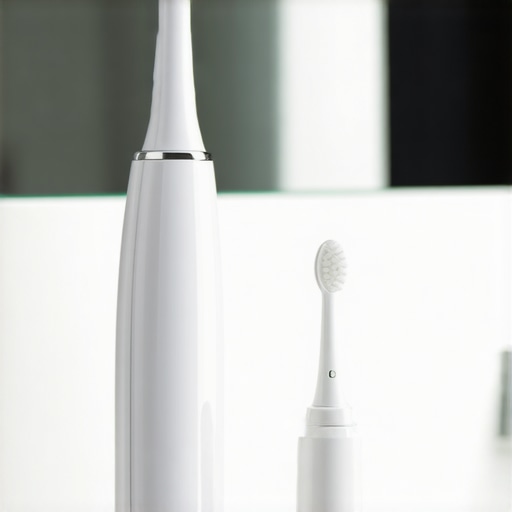 – *Prompt:* A sleek, modern electric toothbrush and water flosser on a bathroom countertop, emphasizing advanced dental tools for effective long-term care. Alt text: “Modern electric toothbrush and water flosser for maintaining oral health”. Title: “Essential Tools for Long-Term Oral Care Success”.
The Untold Lessons from My Burn Mishap
One of the most eye-opening moments in my dental journey was realizing how small accidents, like a hot bite, can teach us profound lessons. I learned that rushing through meals or ignoring the warning signs can prolong discomfort and even cause lasting tissue damage. Embracing patience and mindful eating became essential in my routine, underscoring the importance of listening to your body’s signals to avoid unnecessary pain.
Another insight was the power of early intervention. Applying gentle cooling and saltwater rinses not only eased pain but accelerated healing, transforming what could have been a week-long ordeal into a matter of days. These small, intentional steps demonstrated that immediate, informed action drastically improves recovery outcomes.
The last lesson was understanding that treating mouth burns isn’t just about symptomatic relief—it’s about prevention. Maintaining soft foods, avoiding irritants, and seeking professional advice when needed can prevent minor burns from turning into serious setbacks. Moving forward, I realized that a proactive approach to oral care nurtures resilience and ensures longer-lasting comfort.
My Toolkit for a Radiant Smile
I rely on a few trusted resources that continually enhance my family’s oral health routine. For instance, the Top 5 Secrets to Maintaining Perfect Oral Health offers practical tips that are easy to implement daily. Additionally, I swear by my electric toothbrush from an essential toolkit for effective cleaning, and a water flosser like Waterpik for comprehensive plaque removal—especially for little ones or those with limited dexterity.
Reading about teeth whitening science helped me understand how to pursue cosmetic improvements safely. Finally, staying informed through trusted clinics and expert articles ensures that I can keep my family’s smiles healthy and bright for years to come.
Your Journey Starts Today
Taking charge of your oral health, especially when it comes to unexpected challenges like mouth burns, is empowering. Every step you take—be it applying a gentle rinse, eating soft foods, or scheduling a routine check-up—brings you closer to a resilient, confident smile. Remember, the key lies in proactive care, informed choices, and embracing the knowledge that small improvements today lead to a lifetime of healthy teeth and gums.
What strategies have you found most effective when dealing with oral discomfort? Share your experiences below and let’s grow stronger together in our journey toward optimal dental health.