One night, as I was struggling to get comfortable after a recent dental appointment, I realized something startling—my soft rubber nightguard felt more like a burden than a safeguard. I wanted to protect my teeth from grinding damage, but the comfort promised by so-called “softer” materials just wasn’t cutting it. It was a lightbulb moment that made me question everything I thought I knew about nightguards, and I’m here to share that revelation with you.
Why Comfort Isn’t the Whole Story in Nightguard Materials
Many people assume that softer nightguards are automatically better because they feel more pleasant. But the truth is, the effectiveness of a nightguard isn’t solely about how comfortable it feels—it’s about how well it protects your teeth and jaw from grinding forces. Over time, I learned that rigid plastic models actually offer superior durability and protection, even if they seem less cozy initially.
Is Soft Rubber Actually Worth the Hype?
Early in my journey, I made the mistake of choosing a soft rubber nightguard because my dentist recommended it for its supposedly gentler impact. However, I soon faced issues like excessive wear and less support during grinding episodes. Research confirms that rigid plastic nightguards tend to last longer and provide better protection against—surprisingly—more intense grinding forces (source).
So, if you’re stuck wondering whether to pick comfort over durability, I’ll tell you this: in my experience, that initial discomfort pays off in the long run. And I bet you’ll find, like I did, that a solid, well-designed rigid plastic nightguard can be a game-changer for your dental health.
Have you ever faced the dilemma of choosing between comfort and protection when it comes to nightguards? Stick around, because I’m about to guide you through the compelling reasons why rigid plastic often wins and how to select the best fit for your needs.
**
,
Brush Like a Pro to Remove Plaque Effectively
Start by choosing a soft-bristled toothbrush suited to your mouth size. Position the brush at a 45-degree angle to your gums, and use gentle circular motions—think of polishing a jewel. Micro-strokes help dislodge plaque without harming gums. For a personal story, I once neglected to replace my worn toothbrush, which led to less effective cleaning and some gum irritation. Swapping it out every three months kept my brushing efficient and my gums healthy.
Floss Your Teeth to Reach Hidden Areas
Don’t skip flossing; it cleans between teeth where a toothbrush can’t reach. Use about 18 inches of floss, winding most around your middle fingers, then gently glide it along each side of every tooth—curving into a C-shape around the tooth, and sliding under the gumline. I recall a time I was rushed and skipped flossing, and it resulted in early signs of gum bleeding. Proper flossing removes debris and bacteria, preventing cavities and periodontal issues.
Rinse with Mouthwash to Boost Oral Hygiene
After brushing and flossing, rinse with an antimicrobial mouthwash for 30 seconds. This helps eliminate remaining bacteria, freshens breath, and strengthens enamel if you choose fluoridated variants. I added this step to my routine and noticed fresher breath throughout the day. Think of mouthwash as a finishing touch that seals your efforts and provides extra protection.
Incorporate Professional Cleanings for Long-Term Health
Schedule dental visits at least twice a year for professional cleanings, which remove tartar buildup and spot issues early. During these visits, your hygienist will use specialized tools, similar to a scaler, to scrape off stubborn deposits. I once delayed my appointment, leading to more complex cleaning later. Regular professional care maintains your oral foundation and prevents costly repairs.
Stay Consistent with Your Routine
Consistency is key. Set reminders or incorporate these steps into your morning and bedtime routines. Over time, this habit becomes second nature, significantly reducing the risk of cavities, gum disease, and other oral health problems. Remember, even the best tools won’t help if neglected regularly.
Leverage Better Tools and Techniques
Upgrade to electric toothbrushes for more effective plaque removal, especially if manual brushing feels less thorough. Use interdental brushes or water flossers for hard-to-reach spots—these tools can make a noticeable difference. Additionally, avoid common pitfalls like brushing too hard, which can damage enamel and gums. For more insights on maintaining perfect oral health, visit this guide.
Protect and Enhance Your Smile Through Cosmetic Care
Beyond cleaning, consider cosmetic options like whitening or contouring to boost confidence. Proper maintenance ensures these investments last longer. For instance, I opted for professional whitening, which, paired with strict oral hygiene, kept my smile bright for years. Explore latest cosmetic dentistry trends to see what suits your goals.
Help Your Family Build Healthy Habits
Set a good example for kids by demonstrating proper brushing and flossing. Use engaging tools and make it fun—turn it into a family activity. Regular family dental visits cement the importance of oral health from a young age. Check out family-oriented tips for more strategies.
Utilize Educational Resources
Stay informed with reputable advice, like debunking myths about oral health. Use trusted sources to learn about new techniques or products that can improve your routine. Reading up can be as simple as browsing expert articles, which helps keep your practices current and effective. For example, I read about the benefits of using interdental brushes, which significantly improved my cleaning routine.
Many people believe that brushing vigorously removes more plaque, but this misconception can actually harm your gums and enamel. Excessive force often leads to recession and sensitivity, which is why gentle, thorough brushing is advised. Another widespread myth is that whitening products are all the same; in reality, professional treatments often yield longer-lasting and safer results than over-the-counter options (source). When it comes to cosmetic dentistry, some assume veneers are purely superficial; however, advancements in material technology allow veneers to strengthen teeth and protect against decay. Don’t forget, family dentistry isn’t just about cleaning but building habits—early education about proper oral health can prevent costly issues later (more here).
A common pitfall is neglecting regular professional cleanings, believing daily brushing suffices. The truth is, even meticulous home care misses tartar buildup and early decay signs—only a dental professional can address these effectively (learn more). Now, let’s examine a question that even advanced readers often overlook: What if your routine seems perfect but dental problems persist? The answer lies in nuanced factors such as occlusion, saliva composition, and individual microbiome, which influence oral health beyond basic hygiene. Experts suggest personalized assessments to reveal these hidden issues, ultimately enhancing preventive strategies (see details).
Have you ever fallen into this trap? Let me know in the comments and share your experiences so we can all benefit from a clearer understanding of true dental wellness.
Keeping Your Smile in Top Shape with the Right Tools
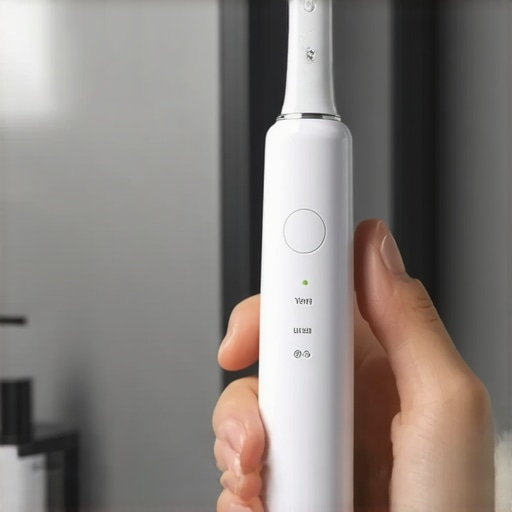
Maintaining excellent oral health over the years requires more than just brushing and flossing; it demands the use of reliable, scientifically-backed equipment and techniques. As someone passionate about lifelong dental wellness, I prioritize tools that combine durability with proven efficacy. For instance, I swear by the Philips Sonicare DiamondClean Smart electric toothbrush. Its sonic technology provides 62,000 brush strokes per minute, ensuring superior plaque removal, especially in hard-to-reach areas. Personally, I transitioned from manual brushes to this model after noticing significant improvements in gum health and brightness—it’s not just a luxury, but a long-term investment in my oral wellbeing.
Another game-changer in my routine is using interdental brushes like TePe’s interdental brushes, which effectively clean between teeth where traditional floss sometimes misses. I find that daily use of these brushes reduces the risk of cavities and gum disease more consistently than floss alone. To enhance my routine further, I incorporate a water flosser such as the Waterpik Aquarius. It’s particularly helpful for those with sensitive gums or dental restorations, delivering gentle yet thorough cleaning with adjustable pressure levels.
But owning the best tools isn’t enough without proper technique. I recommend setting reminders to replace your toothbrush head every three months—worn bristles harbor bacteria and decrease cleaning effectiveness. Additionally, I routinely use professional-recommended brushing techniques to maximize results. For long-term maintenance, I schedule routine dental checkups every six months, where my hygienist uses specialized tools to remove tartar buildup that home care can’t tackle. This combination of advanced tools and expert care is the secret to keeping my smile bright and healthy for decades.
How do I maintain my dental tools for longevity and effectiveness?
Proper maintenance is crucial. Rinse electric toothbrush heads thoroughly after each use and store them upright in open-air holders to prevent bacterial growth. Clean water flossers as per the manufacturer’s instructions, usually by running water through the system once a week, and replace tips every three to six months. For interdental brushes, wash and dry them after use, and replace if they show signs of wear. By staying disciplined in tool maintenance, I ensure that each piece works optimally, reducing the need for costly repairs or replacements—a practice I highly recommend for everyone aiming to sustain their oral health.
The future of dental maintenance points toward smarter, AI-enabled devices that track plaque levels and recommend specific cleaning actions. I predict that in the next few years, these innovations will become more affordable and seamlessly integrate with smartphone apps, making personalized dental care more accessible. To stay ahead, I encourage everyone to embrace these technological advances and adopt the best tools early on.
If you want to upgrade your routine today, start by trying a high-quality water flosser combined with consistent tool replacement schedules. These small yet impactful steps can transform your oral health journey and keep your smile enduring.
Lessons That Shook My Perspective on Oral Care
Discovering that the durability of a nightguard far outweighs its initial comfort was a game-changer. Realizing that investing in a rigid, well-made nightguard prevented future costly repairs taught me to prioritize protection over temporary ease.
Learning that gentle brushing combined with the right tools is more effective than aggressive scrubbing underscored the importance of technique over brute force. My own experience with sensitive gums proved this point dramatically.
Understanding that professional cleanings catch hidden issues early gave me peace of mind. Regular visits aren’t just about cleanliness—they’re a crucial investment in long-term health.
Recognizing that the latest technology, like water flossers and electric brushes, truly enhances plaque removal motivated me to upgrade my tools. These investments pay dividends in vitality and confidence.
Finally, the realization that consistent habits – small daily actions – are the foundation of a beautiful smile proved to me that sustainable change is within everyone’s reach.
My Must-Have Resources for Superior Dental Health
Philips Sonicare DiamondClean Smart: I trust this electric toothbrush for its superior plaque removal, making my oral care routine more efficient and effective.
TePe interdental brushes: These are my go-to for cleaning between teeth, especially in tight spaces where floss might struggle.
Waterpik Aquarius: A game-changer for gentle yet thorough cleaning, especially for sensitive gums or dental restorations.
Empowered with these insights and tools, you’re well on your way to achieving lasting oral health. Remember, a radiant smile is a reflection of consistent care, smart choices, and embracing learning. Every day presents a new opportunity to make your dental routine better—so why not start today? Share your experiences or ask questions below, and let’s build a community of confident, healthy smiles together!