
I’ll never forget the moment I realized my favorite snack had become my biggest orthodontic enemy. Crunching into popcorn or sneakily enjoying caramel candies suddenly meant risking a sticky, embarrassing mess on my brand-new brackets. It felt like my sweet tooth and my braces were in a constant tug-of-war, and I was losing more often than I cared to admit. Have you ever experienced that frustrating moment when a piece of food clings stubbornly to your braces, making you feel self-conscious and worried about damaging your smile? You’re not alone, and trust me, I understand the mix of irritation and helplessness that comes with sticky food mishaps.
Why Sticky Food Is a Real Pain When You Have Braces
When I first got my orthodontic brackets, I thought my biggest concern would be avoiding hard candies or sticky toffees. Turns out, even seemingly harmless treats like bread crusts or certain fruits can linger and stubbornly cling to your brackets. Sticky foods aren’t just messy—they can also cause damage or prolong your treatment if you’re not careful. But here’s the good news: with a few simple strategies, you can minimize these annoying incidents and keep your smile looking its best. Today, I’ll share proven tips from my own experience and expert advice, so you won’t have to worry about sticky surprises ruining your day anymore.
Is It Really Worth Struggling to Remove Sticky Food? The Honest Truth
Early on, I made a costly mistake: I thought (like many newbies) that brushing over my braces was enough to eliminate all food residues. Spoiler alert—it’s not. That oversight led to trapped food, increased plaque buildup, and even some unexpected discomfort. But I learned that a targeted approach, combining the right tools and techniques, makes all the difference. Curious how I turned things around? Stick with me, and you’ll discover easy, practical methods to keep your brackets clean without the stress.
If you’re tired of battling sticky food every day or worried about dental damage, don’t worry—we’re about to tackle that problem head-on. Along the way, I’ll also share insights from professional orthodontists and dentists, so you can trust these tips are tried-and-true. Ready to reclaim your confidence and enjoy your favorite foods without worry? Let’s dive into the secrets to keeping those brackets spotless and your smile radiant.
Choose the Right Tools for the Job
Equip yourself with a soft-bristled toothbrush, dental floss, interdental brushes, and a water flosser. I learned this firsthand when I grabbed my regular toothbrush, only to find it was too stiff, making my gums sore. Switched to a softer brush and added a water flosser, which made dislodging debris much easier and gentler on my sensitive gums.
Master Proper Brushing Technique
Brush at a 45-Degree Angle
Position your toothbrush so the bristles angle toward the gum line, working in small circular motions. This helps loosen food particles nestled around brackets and wires. I applied this tip during my nightly routine, visualizing my brush as a tiny excavator carefully scooping out stubborn food bits after a heavy snack.
Pay Special Attention to the Brackets and Wires
Use gentle, circular motions around each bracket, and ensure the bristles reach underneath wires. I remember the first time I tried this—my mouth filled with tiny bubbles as I cleaned with patience. The result? A cleaner, healthier feeling, and a noticeable decrease in trapped food after meals.
Floss Effectively
Use a waxed dental floss or a floss picks designed for braces. Gently slide the floss between teeth and around brackets, moving in a ‘C’ shape to dislodge debris. I once hesitated, fearing I’d hurt my gums, but steady, gentle movements prevented discomfort. Regular flossing prevents plaque buildup and keeps sticky food from causing decay or staining.
Utilize the Power of Water Flossers
Attach a water flosser and direct a steady, gentle stream of water at the gumline and around brackets. This method can reach areas that brushing and flossing might miss. I was surprised at how much debris this removed—sometimes before I even finished brushing, I saw water splashing out with bits of food.
Combine this with routine gentle cleaning practices to maintain oral health without irritating sensitive gums. Remember, consistency is key—going through these motions daily reduces sticky food clingage and keeps your smile shining bright. When in doubt, consult your dentist or orthodontist for personalized advice, and consider building a comprehensive family dental routine that keeps everyone on track.
Many believe that regular brushing and flossing are all it takes for optimal oral health, but the reality is far more nuanced. A common misconception is that aggressive brushing can compensate for infrequent professional cleanings—yet, overdoing it can actually harm your gums and enamel. Expert studies show that gentle, thorough cleaning is more effective and safer, emphasizing the importance of proper technique over sheer brute force. Professional cleanings help remove plaque buildup that daily routines might miss, preventing cavities and gum disease in the long run. Have you ever fallen into this trap? Let me know in the comments.
Are We Overlooking the Power of Preventive Care in Cosmetic Dentistry?
Often, patients chase quick fixes like whitening or veneers without investing adequately in preventive measures. However, many underestimate how crucial routine evaluations are before cosmetic procedures. In some cases, failing to address underlying issues like misaligned bites or early decay can compromise aesthetic results and longevity of treatments. For instance, latest trends in cosmetic dentistry highlight that combining cosmetic work with preventive care yields more natural, lasting results. Ignoring this synergy is a common mistake that can lead to regret and additional costs down the line.
The Fine Line Between Efficient and Harmful Oral Hygiene
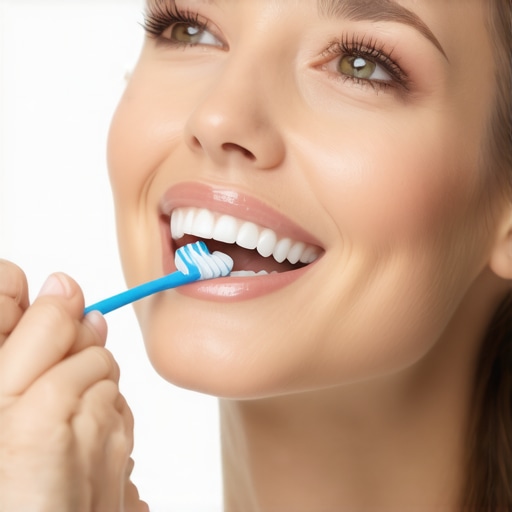
Many people think that brushing more aggressively or more frequently will improve their oral health, but this is false. Excessive force can cause gum recession and enamel erosion, exposing sensitive areas and increasing risk of decay. The key is mastering gentle teeth cleaning practices that balance effectiveness with safety. Advanced techniques involve using softer brushes and minimal pressure, complemented by proper flossing and interdental tools. Recognizing that quality trumps quantity is an often overlooked nuance that can save you from costly dental repairs later.
In diving deeper into dental health, it’s vital to understand the subtle mistakes that undermine even the best routines. From overbrushing to neglecting preventive diagnostics, each oversight can cascade into more significant issues. Stay informed, consult your dental professional regularly, and adopt an approach that prioritizes both health and preservation. Want to master your oral health regime? Check out expert-approved practices to keep your smile vibrant for years to come.
Keeping up with your oral health requires more than just a good toothbrush. As someone passionate about family and cosmetic dentistry, I recommend investing in precise, high-quality tools that make a real difference. For daily maintenance, I personally swear by the Sonicares UltraSoft electric toothbrush because its sonic technology effectively dislodges plaque around braces and veneers without damaging sensitive gums. Its oscillating tips reach areas manual brushes often miss, helping me maintain optimal hygiene with less effort.
To complement brushing, I use interdental brushes designed for braces. These tiny, cone-shaped tools allow me to clean under wires and around brackets thoroughly. Unlike traditional floss, they glide easily into tight spaces, decreasing the risk of trapped food or plaque buildup that can lead to long-term issues like cavities or gum disease.
For tough-to-reach areas, I highly recommend a Waterpik Aquarius Water Flosser. It’s gentle yet powerful, effectively removing debris without causing irritation. I incorporate it into my evening routine after brushing and flossing, especially as I tend to have sensitive gums. Regular use has noticeably improved my gum health and reduced bleeding episodes.
How do I maintain my tools over time?
Proper maintenance extends the lifespan and efficacy of your dental tools. Rinse your electric toothbrush head thoroughly after each use, and replace it every three months to prevent bacterial buildup. Clean interdental brushes with warm water and store them in a dry, ventilated container. Water flossers benefit from weekly descaling with vinegar or specialized cleaning tablets, which eliminate mineral deposits and mold. Regularly inspecting tools for wear and tear ensures they perform optimally and protect your oral health.
Looking ahead, advancements like AI-powered toothbrushes that adjust brushing patterns based on your gum health are emerging. These innovations aim to personalize oral hygiene even further, making maintenance easier and more effective over the long term. Embracing these technologies now can set the foundation for years of healthy, vibrant smiles.
If you’re serious about long-term results, I urge you to try integrating an advanced cleaning device like a water flosser into your daily routine. Consistency with high-quality tools doesn’t just improve your immediate health; it preserves the integrity of your restorations and natural teeth for years to come.
Looking back, mastering the art of managing sticky foods with braces gave me valuable insights that transformed my dental routine. I realized that patience and attention to detail are crucial, and even small adjustments in technique can have a profound impact on your oral health. Tuning into what my mouth needs, rather than rushing through cleaning, allowed me to enjoy my favorite foods without fear and maintain a radiant smile. This experience has taught me that proactive, gentle care is the key to long-term success and confidence in your smile.
Secrets I Wish I Knew About Staying Sticky-Food Free
- Less is more when it comes to force: Applying gentle pressure during cleaning prevents gum recession and enamel damage. I learned that patience beats brute strength, especially around delicate brackets and wires.
- Consistency is your strongest ally: Making a routine of thorough brushing, flossing, and water flossing keeps food particles at bay. I found that small daily efforts compound into lasting oral health benefits.
- Invest in the right tools: Soft-bristled toothbrushes and interdental brushes tailored for braces made my cleaning more effective and comfortable. Using specialized tools minimizes damage and traps fewer food bits.
- Professional advice is invaluable: Regular dental checkups, including professional cleanings, prevent minor issues from becoming costly repairs. Dentists can spot trapped food before it causes trouble, saving time and expense.
My Go-To Resources for Dental Confidence
- Gentle teeth cleaning practices: Essential for sensitive gums and braces care, this resource guides on techniques that safeguard your smile while keeping it spotless.
- Latest trends in cosmetic dentistry: Staying updated with cutting-edge treatments helps you make informed decisions about your dental journey and ensures long-lasting results.
- Family dentistry tips: Building a solid foundation starts with understanding preventive care for the entire family, fostering healthy habits that last generations.
Your Smile Is Your Superpower—Take It Seriously
“The journey to a healthy, confident smile isn’t a sprint; it’s a marathon. By embracing gentle, consistent care and trusting in expert guidance, you can enjoy your favorite foods and maintain your orthodontic progress without stress. Remember, every small effort counts and builds toward lifelong oral wellness. So, go ahead—own your smile today and let your confidence shine!”
What are your biggest challenges with managing sticky foods or routine dental care? Share your experiences below—I’d love to hear from you!
,