
I remember the first time I experienced it—waking up in the morning, reaching for my lower denture, only to find it wobbly and uncomfortable. That sinking feeling—literally and figuratively—hit me hard. It was as if my smile was betraying me, and I knew I wasn’t alone in this struggle. Many folks with dentures face this frustrating issue, and it’s more common than you might think. But here’s the truth: there’s a solution that can dramatically improve the fit of your lower denture and restore your confidence.
The Hidden Problem with Loose Dentures
Loose-fitting lower dentures aren’t just a minor inconvenience—they can affect your speech, eating habits, and overall quality of life. When your dentures don’t stay securely in place, every meal becomes a challenge, and social outings might feel embarrassing. This isn’t just about aesthetics; it’s about how you feel every day. Over time, the instability can even lead to soreness and irritation, making oral hygiene more difficult.
From my personal experience, I used to think that simply adjusting my dentures was enough. But I soon learned that this was a temporary fix, often leading to more discomfort and expense. That’s when I discovered that dental implants could make a real difference—not just for replacing missing teeth, but for anchoring dentures securely in place. If you’re tired of slipping dentures and the associated embarrassment, keep reading. We’ll explore how implants can enhance your lower denture’s fit and change your life.
Why Fixing Your Denture Fit Matters More Than You Think
Research shows that a poorly fitting denture can accelerate bone loss, leading to a sunken facial appearance over time. Better support means better facial structure—and a more youthful look. Additionally, secure dentures improve chewing efficiency, allowing you to savor your favorite foods without worry. And let’s not forget the boost in confidence from a stable, natural-looking smile.
Now, I want to ask: Have you experienced the frustration of your dentures slipping just when you need them the most? If so, you’re not alone—and the good news is, solutions exist that don’t involve constant re-gluing or uncomfortable adjustments. As I delved deeper, I learned that modern dental advancements could truly change the game. To understand how, let’s look at the common reasons why dentures become loose and how implants address these issues directly.
Choosing the Right Path for Your Smile
Assess Your Denture’s Fit and Make Adjustments
Begin by carefully evaluating how your denture sits in your mouth. Put on clean gloves, then gently press on different areas of the denture to identify loose spots. For example, I once noticed mine shifted when I spoke, which prompted me to seek a better fit. If discomfort or movement persists, consider using a specialized denture adhesive as a temporary fix. But remember, adhesives are not substitutes for proper fitting.
Recognize When Professional Adjustment Is Necessary
If simple adjustments don’t enhance stability, schedule a visit with your dentist. They may reline or remake your denture to improve fit. Think of it like tuning a guitar string; small tweaks can make a significant difference. Personally, I visited my dentist after noticing persistent slipping, and a professional adjustment restored my confidence during meals.
Consider Dental Implants for Long-Term Stability
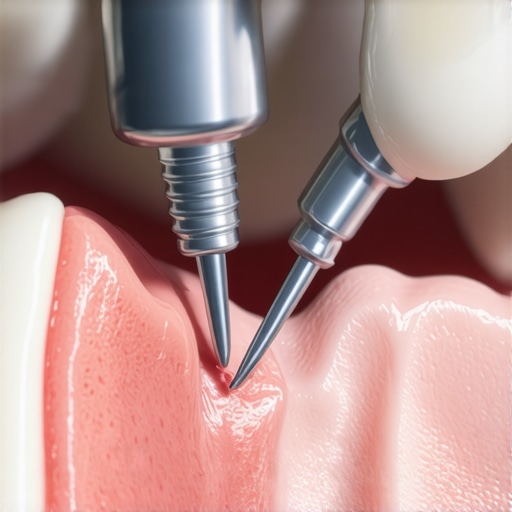
Dental implants act like anchors for your dentures, providing a secure foundation. The process involves placing titanium posts into the jawbone, which fuse over time in a process called osseointegration. For someone like me, who had struggled with recurring looseness, implants transformed my daily experience. Ensure you consult with a qualified specialist to determine if implants suit your bone health and overall health status—these are critical steps towards permanent fixation.
Prepare for the Implant Procedure
Before undergoing implant surgery, your dentist will assess your oral health through imaging scans. You may need preliminary procedures like bone grafting if your jawbone isn’t dense enough. Remember, proper preparation minimizes complications and ensures successful implantation. I underwent a bone graft before implant placement, which extended the healing phase but resulted in a stable, long-lasting solution.
Maintain and Monitor Your New Fit
Once your implants are in place, maintaining good oral hygiene is essential. Brush and floss regularly, and attend routine checkups to prevent infection or implant failure. Just like caring for a new car, consistent upkeep preserves functionality. After implant placement, I received instructions on cleaning around the implants—it’s vital for longevity. For comprehensive care tips, visit this resource on cosmetic dentistry innovations.
Stay Alert to Changes that Might Signal Issues
Be vigilant for signs like swelling, pain, or mobility in your denture. If any of these occur, contact your dentist promptly—delaying intervention can compromise stability. My experience with early detection helped prevent further complications and saved money in the long run; regular follow-ups are a key part of this routine.
}} }**{
}**{
Many people approach dental health with misconceptions that can ultimately harm their teeth and gums. A prevalent myth is that brushing harder cleans better. In reality, aggressive brushing can erode enamel and irritate gums, leading to sensitivity and recession according to dental research. Proper technique with a soft-bristled brush, gentle circular motions, and regular flossing is far more effective for long-term health.
Another common misconception is that the whiteness of your teeth directly correlates with health. However, superficial whitening treatments like over-the-counter strips or charcoal pastes can weaken tooth enamel if used excessively. Professional cosmetic procedures, often overlooked, can be tailored for safe, stunning results—so aim for expert guidance rather than DIY solutions, as detailed in this article.
What do Advanced Patients Need to Know About Preventive Care?
While regular cleanings are essential, understanding the microscopic nuances—like the role of biofilm and the formation of calcified plaque—is critical for meaningful prevention. Modern dental science shows that targeting these biofilms with specialized tools and products can significantly reduce cavity risk, especially in families where children are prone to plaque build-up here. Ignoring these details might give a false sense of security, leading to overlooked decay and gum disease.
Many believe that dental health is solely dependent on daily brushing, but factors such as saliva composition, pH levels, and even genetic predispositions play a subtle yet powerful role. For example, patients with dry mouth conditions must adopt specific strategies like saliva substitutes or stimulating agents to prevent caries—details discussed in this guide.
Don’t fall for the trap of superficial fixes; a comprehensive understanding of these nuances ensures your preventive strategies are truly effective. Have you ever fallen into this trap? Let me know in the comments. When it comes to dental health, knowledge is your best ally for avoiding costly problems down the line.
Keep It Working: Essential Tools for Dental Care
Maintaining excellent oral health over the long term demands more than just good brushing habits; it requires investing in the right equipment that ensures consistent, effective cleaning and monitoring. Personally, I rely on specific tools that have proven their worth in my routine, and I believe they can make a significant difference for your family as well.
Invest in an Electric Toothbrush with Pressure Sensors
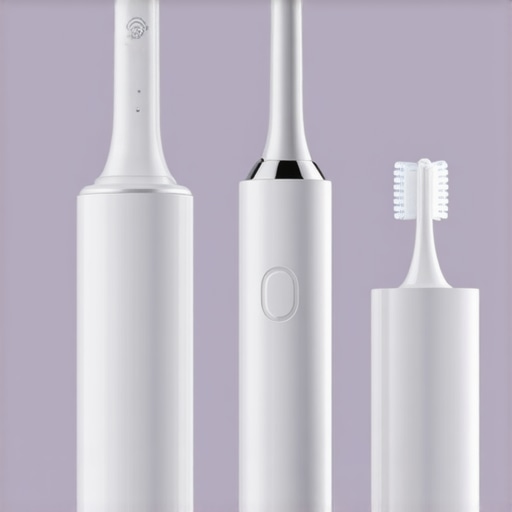
For instance, I use a high-quality electric toothbrush equipped with a pressure sensor. This feature alerts me if I’m brushing too hard—a common mistake that can damage enamel and irritate gums, as discussed here. Personally, this prevents me from brushing aggressively, promoting healthier gums and preserving my enamel long-term. Advanced models with multi-directional cleaning motions and timers ensure I cover all surfaces thoroughly without overdoing it.
Opt for a Water Flosser Over Conventional Floss
Traditional flossing is effective, but for convenience and efficiency, I turn to a water flosser. It’s especially beneficial for those with braces or implants, providing a more complete removal of plaque around hard-to-reach areas. I prefer devices with adjustable pressure settings, so I can customize the intensity—less irritating and more effective. Regular use reduces bleeding and inflammation, keeping my family’s gums healthy and strong.
Smart Monitoring Devices for Digital Dental Checkups
Looking ahead, I believe the future of oral health will lean heavily on technology. Devices like at-home saliva testing kits and AI-powered monitoring tools can detect early signs of issues, allowing proactive intervention. Though these are still emerging, I’ve integrated a few into my routine, complemented by regular professional checkups. For a comprehensive assessment, visit here to learn more about long-term maintenance.
How do I Maintain My Tools Over Time?
Cleaning your toothbrush heads regularly with boiling water or disinfectant wipes prevents bacterial buildup. Water flossers and other electronic tools should be kept dry and stored properly to extend their lifespan. Remember, replacing brush heads every three months and batteries as recommended ensures optimal function. Consistent maintenance of your equipment is as vital as daily brushing itself—otherwise, you risk undoing all your good work.
As I see advancements pushing toward more personalized and integrated care, I predict a trend toward smart dental devices syncing with mobile apps for real-time feedback. Embracing these innovations now could help you stay ahead of potential problems and keep your smile healthy for years to come.
One practical tip I recommend trying today is upgrading to an electric toothbrush with a pressure sensor. It’s a simple step that can prevent many common issues, saving you time and money. Investing in the right tools isn’t just about convenience; it’s about making your oral health truly last a lifetime.
Little Lessons That Changed My Dental Routine Forever
One of the most eye-opening lessons I learned was how small PPE changes, like using a soft-bristled brush, can prevent gum recession. Over time, I realized that patience and consistency in proper brushing techniques trump quick fixes or harsh scrubbing. I also discovered that scheduling regular checkups is less about catching problems and more about preventing them before they start. Lastly, embracing new technologies, like smart flossers, transformed my daily hygiene into a more enjoyable and effective experience, emphasizing that continual learning is essential for dental success.
Tools and Resources That Keep My Smile Bright
My go-to resource for teeth whitening tips is this article, which explains the importance of professional guidance over DIY hacks. For maintaining overall family dental health, I rely on family-focused tips that bring simplicity and consistency to routines. When it comes to staying ahead of potential issues, I trust prevention strategies that are practical and backed by science.
Going Beyond the Surface: Your Smile Starts Within
Taking charge of your oral health involves more than routines; it’s about cultivating confidence and peace of mind. Remember, every small step counts—whether it’s upgrading to an electric toothbrush with pressure sensors or scheduling regular professional cleanings. These actions genuinely empower you to enjoy life with a natural, healthy smile. So, I encourage you to adopt these insights and make your dental future brighter today.
What’s one change you’re ready to implement in your oral health journey? Share your thoughts below—I’d love to hear about your plans for a healthier, happier smile!