
I vividly remember the moment I caught my reflection and noticed that stubborn gap between my front teeth had widened unexpectedly. It wasn’t a sudden gap, but more like a slow, sneaky creep that made me self-conscious whenever I smiled. I felt frustrated—like I was back to square one after years of dental work. That lightbulb moment made me realize how many of us secretly struggle with gaps, and often, we’re told that braces are the only solution. But what if there’s a way to close those gaps without enduring the lengthy, uncomfortable process of traditional orthodontics?
Discovering Gentle Alternatives: A New Way to Smile Confidently
Today, I’m excited to share that you don’t have to settle for metal brackets and wires to fix your smile. There are effective, less invasive options that can deliver stunning results—sometimes in just a few visits. The key is understanding your options and working with a dentist who specializes in cosmetic dentistry innovations. I’ve been on this journey myself, and I know firsthand how transforming it can be to have a smile that feels natural and comfortable. In this post, we’ll explore how you can fix gaps between teeth without traditional braces, based on real experiences and the latest dental techniques.
Is Non-Traditional Orthodontics Really Worth the Effort
When I first considered alternatives, I worried about whether they would last, look natural, and be worth the investment. Early on, I made the mistake of rushing into a quick fix without doing enough research, which led to a less-than-satisfactory outcome. That taught me the importance of consulting with a qualified cosmetic dentist and understanding the science behind these methods. According to a recent study, modern cosmetic treatments can be as effective as traditional braces, with less discomfort and downtime, especially when done by experienced professionals (source).
So, if you’ve faced the frustration of gaps reappearing after initial treatments or are simply curious about options beyond braces, keep reading. We’re about to dive into safe, proven techniques that can help you achieve a beautifully aligned smile without the metal.
Assess Your Dental Condition Accurately
Start by scheduling a comprehensive dental examination with a qualified cosmetic dentist. During my visit, I discussed my gaps openly, and the dentist took detailed measurements and X-rays to understand the root cause. This step is crucial because it determines the most suitable treatment plan. Don’t skip this; proper assessment prevents unnecessary procedures and ensures targeted results.
Explore Non-Invasive Treatment Options
Dental Bonding
For small gaps, I chose dental bonding, which involves applying a tooth-colored resin material to close the space. The dentist carefully molds the resin, matching my teeth’s natural shade. I remember the session feeling like sculpting clay—each layer was shaped and hardened with a curing light. The result was immediate, but I learned bonding works best for minor gaps and may need touch-ups over time.
Porcelain Veneers
In my case, I opted for contouring veneers, which are thin shells bonded to the front of your teeth (see more here). The process involved minimal removal of enamel—roughly like sanding a thin layer of wood—to fit the veneers perfectly. The dentist took impressions, and within two weeks, I received custom-made veneers that naturally closed my gap. This method offers durability and a natural look if executed properly.
Clear Aligners for Precise Movement
If your gap is larger or combined with misalignment, clear aligners like Invisalign can guide teeth into position gradually. During my experience, I received molds of my teeth and a detailed plan that showed how many aligners I would need. Each set was replaced bi-weekly, and I wore them almost 24/7—akin to invisible braces. Regular check-ups ensured the teeth moved as planned, providing a seamless transition without metal brackets.
Maintain Oral Hygiene Throughout the Process
Whichever method you choose, maintaining oral health is vital. Proper cleaning prevents plaque buildup around new restorations and ensures longevity. I adopted gentle brushing techniques and used interdental brushes—like tiny scrub brushes—to reach difficult spots. Consistent oral hygiene also preserves the results of your treatment, so don’t neglect regular family dentistry tips.
Follow Up and Adjustments
Post-treatment, I returned for adjustments to perfect the fit and appearance. Sometimes, minor tweaking makes a significant difference—like tuning a musical instrument. Keep in mind, dental treatments involving bonding or veneers may require replacements after several years. Staying vigilant with follow-up visits ensures your smile remains beautiful and healthy.
Be Patient and Consistent
Real results come with time and commitment. In my case, sticking to scheduled appointments and adhering to oral care routines paid off. Remember, cosmetic improvements are investments in confidence and oral health—so patience and consistency are your best allies on this journey.
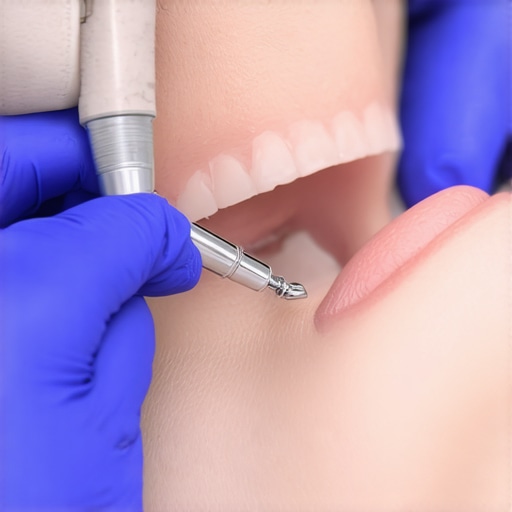 Many people assume that achieving a perfect smile is mostly about the aesthetic procedures they choose, but there’s a lot more complexity beneath the surface. A prevalent myth is that all cosmetic treatments are equally durable and natural-looking; however, factors like material choice and technique significantly impact long-term results. For example, some patients believe veneers are only for those with severe discoloration, yet advancements now enable veneers to correct minor imperfections while preserving the natural tooth structure (see more here). It’s crucial to work with practitioners who understand these nuances to avoid costly mistakes and unsatisfactory outcomes.
One common trap many fall into is underestimating the importance of foundation in oral health. Regular family dentistry isn’t just about cleanings; it’s about establishing a preventive strategy that catches issues before they escalate. Neglecting these regular check-ups can lead to hidden problems, such as subtle bite misalignments or minor enamel erosion, which could be easily avoided with early intervention, as highlighted in this resource.
Advanced mistakes often involve misjudging the compatibility of dental materials with individual patients. For example, some might jump directly into whitening procedures without considering underlying dental health or tooth sensitivity, leading to discomfort or damage. Evidence suggests that personalized treatment planning, considering factors like enamel thickness and previous restorations, is crucial for success (scientific insights here).
Have you ever fallen into this trap? Let me know in the comments!
What About the Long-Term Impact of Cosmetic Choices on Oral Function?
It’s a common misconception that cosmetic improvements won’t affect your oral health over time. However, certain procedures, if not done correctly, can lead to bite issues or increased wear. For instance, improperly fitted veneers or crowns can alter your bite dynamics, causing TMJ problems or uneven tooth wear. A study published in the Journal of Prosthetic Dentistry emphasizes the importance of precise occlusion adjustment in cosmetic restorations (see relevant research here). This highlights that aesthetics should never compromise function—an advanced nuance many overlook.
How do I keep my smile functional and healthy over time?
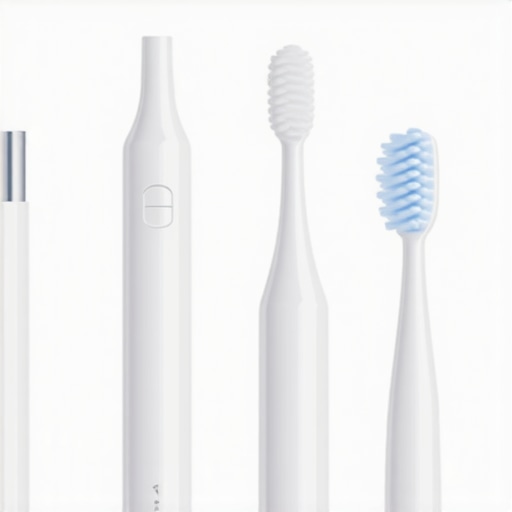
Maintaining long-term oral health requires more than just brushing and flossing; it involves using the right tools and adopting effective methods backed by the latest advancements. Personally, I rely on an electric toothbrush with oscillating-rotating technology, such as the Sonicare DiamondClean, because its proven efficacy in plaque removal and gum stimulation surpasses manual brushing (source). For interdental cleaning, I recommend using ultra-soft interdental brushes like TePe’s Soft Picks, which gently access tight spaces without damaging the gums, ensuring comprehensive plaque removal.
When it comes to teeth whitening, I turn to professional-grade equipment like the Zoom! whitening system used in-office. It’s more predictable and safer than over-the-counter options because it allows for careful monitoring of enamel response. Regularly, I also incorporate an ultrasonic scaler, such as the Waterpik Sonic-Fusion, into my routine, combining water flossing and brushing—this hybrid approach improves oral hygiene efficiency and helps prevent future issues.
The future of oral maintenance points toward smart device integration. Companies are developing AI-powered toothbrushes that track brushing habits and provide real-time feedback via smartphone apps. These innovations aim to personalize oral care and motivate consistent practices, which I believe will become standard in the next few years.
For your daily routine, I strongly suggest reviewing your tools and methods periodically. Upgrading to advanced equipment like the Sonicare DiamondClean or Waterpik Sonic-Fusion can exponentially improve your long-term results. Remember, consistent use of high-quality tools significantly reduces the risk of cavities, gum disease, and other oral health issues over time.
How can family dentistry help sustain oral health for everyone?
Family dentistry isn’t just about routine cleanings; it’s about building a foundation for lifelong oral wellness. Regular check-ups help catch early signs of wear or decay that could become expensive or challenging if left unchecked. I encourage scheduling biannual visits—more frequent if you have specific concerns—because early intervention keeps your smile healthy and functional. To support this, consider implementing educational routines at home, such as supervising children’s brushing and removing plaque-prone foods from daily meals (more tips here).
As the trend toward digital dentistry grows, tools like intraoral scanners and AI diagnostics are shaping the way we monitor and manage dental health. These advancements enable dentists to customize long-term maintenance plans effectively and motivate patients to stay proactive. Embracing these innovations can drastically enhance the durability of your smile and overall oral wellbeing.
So, try incorporating an ultrasonic water flosser into your routine or discussing these high-tech options with your dentist at your next visit—that small investment can yield tremendous long-term benefits, ensuring your teeth stay healthy and functional for years to come.
< >
>
Imagine a world where your daily dental routine is supported by smart, connected tools that not only clean but also tell you when maintenance is needed—an exciting glimpse into the future of oral health.
,
The Unsuspected Challenges That Taught Me Resilience
One lightbulb moment I never anticipated was realizing that maintaining a flawless smile requires more than just choosing the right treatment; it demands ongoing commitment and patience. Early on, I learned that rushing into cosmetic procedures without thorough research often led to setbacks—like mismatched veneers or ill-fitting aligners. This underscored the importance of working closely with experienced professionals who understand the subtleties of aesthetic and functional balance, much like the science behind contouring veneers. The process taught me that building trust with your dentist and being proactive about follow-up care is key to lasting results.
Curated Insights That Transformed How I Approach Oral Care
Over time, I discovered that investing in high-quality tools significantly impacts long-term health. I trust the latest teeth-cleaning techniques because they emphasize gentle, effective methods that preserve enamel and gum health. My electric toothbrush, combined with ultra-soft interdental brushes, has become indispensable in ensuring thorough yet gentle cleaning. Moreover, I learned that staying informed through reputable sources, like cutting-edge cosmetic dentistry trends, helps me make smarter choices about procedures like whitening or veneers. Continuous education empowers me to make confident decisions about my smile’s future.
Take Action Now—Your Smile Deserves It
Every step towards better oral health, whether it’s exploring non-invasive treatments or upgrading your daily routine, is an act of self-care that pays dividends in confidence and well-being. Remember, your journey is uniquely yours, and embracing modern innovations like contouring veneers or clear aligners can open doors to a more radiant smile without the discomfort of traditional braces. I encourage you to analyze your current habits and consult with qualified professionals who respect your goals. Your perfect smile isn’t just a dream—it’s a well-planned, achievable milestone waiting for you to reach.
What’s one aspect of your oral health routine you’re excited to improve this year? Let me know below!
,