
Ever had that sinking feeling when you realize your retainer is starting to look a little grimy, but the thought of cleaning it makes you worried about damaging it? I remember the first time I tried scrubbing mine with harsh toothpaste and a stiff brush. The wire got all bent out of shape, and the acrylic looked like it had been through a war. Talk about a lightbulb moment! It was then I understood how delicate these little appliances are and how easy it is to accidentally ruin them with the wrong cleaning habits.
Why Proper Retainer Cleaning Really Matters
Your retainer isn’t just a pretty accessory; it’s a vital part of your ongoing oral health routine. A clean retainer not only keeps bad breath at bay but also prevents bacteria buildup that can lead to discoloration, plaque, and even cavities. And if you’re anything like me, losing a retainer or causing damage to it because of improper cleaning can be both frustrating and costly. According to recent studies, neglecting proper retainer maintenance can lead to plaque accumulation that might contribute to gum disease or decay, undermining your investment in a healthy smile. Check out this article on teeth whitening science to see how oral hygiene impacts larger aspects of dental aesthetics.
Will Harsh Chemicals Hurt My Retainer? The Biggest Skepticism
Honestly, I was once convinced that stronger cleaning agents would do a better job. I used some over-the-counter bleach solutions thinking more potent equals cleaner. Spoiler alert: it was a disaster. The chemicals not only corroded the wire, making it brittle and prone to snapping, but also discolored the acrylic, turning it dull and stained. I learned the hard way that gentle, proper cleaning methods outperform aggressive scrubbing, especially when you value your investment in a healthy smile. So if you’re worried about damaging your retainer, you’re not alone—I’ve been there, and I’m here to share what I’ve discovered works perfectly. Stay tuned for the reliable cleaning techniques that won’t ruin your retainer but will keep it sparkling and safe for wear.
Gather Your Essentials Before Starting
Begin by collecting a soft-bristled toothbrush, mild dish soap or retainer-specific cleaner, and a small bowl of lukewarm water. Avoid harsh toothpaste or abrasive brushes, which can scratch your retainer. I once used regular toothpaste out of habit and ended up dulling the acrylic surface, making it look dull and stained. This mistake taught me that gentle tools are key to maintaining clarity and shine.
Prepare a Gentle Cleaning Solution
Mix a few drops of mild dish soap or a retainer cleaning tablet into the bowl of lukewarm water. Ensure the water isn’t hot, as high temperatures can deform the plastic. Think of it like washing delicate silk; too harsh or hot, and it warps or stains. I remember the first time I used a stronger solution, which left a cloudy film on my retainer—learning to keep it mild made all the difference.
Soaking for Optimal Hygiene
Place your retainer in the solution and let it soak for 15-30 minutes. This process loosens plaque and removes surface stains. While soaked, gently brush all surfaces, paying special attention to hard-to-reach areas. During my first attempt, I skipped soaking and just brushed, which was ineffective; soaking made a noticeable difference, making my retainer look cleaner instantly.
Targeted Brushing Technique
Use the soft-bristled toothbrush to gently scrub the retainer’s surfaces, including clasps and corners. Use light circular motions and avoid applying excessive pressure. Think of brushing as polishing a gem—gentle but thorough. I once pressed too hard and bent the wire, which taught me to handle my retainer with care to prevent deforming it.
Rinsing and Drying
Rinse the retainer thoroughly under cool running water to remove any remaining soap or cleaner. Pat dry with a soft towel or paper towel. Avoid using hot water or cloths that can cause scratches. Drying properly prevents bacterial buildup. After my first cleaning, I noticed my retainer looked brighter and felt smoother—simple steps that make a big difference.
Storing Your Clean Retainer
Store your retainer in a clean, ventilated case when not in use to prevent dust and bacteria accumulation. Regularly clean the case with soap and water. Proper storage extends the lifespan of your appliance. I made the mistake of leaving mine in a pill organizer once; switching to a dedicated case kept it pristine and ready for use.
Regular Maintenance for Longer Durability
Repeat this cleaning routine at least once a day, especially before bed. Avoid using bleach or alcohol-based cleaners, which can corrode materials. For more insights into maintaining your oral appliances, check out these expert tips. Consistent cleaning not only keeps your retainer looking clear but also safeguards your oral health, preventing bacteria buildup and staining, ensuring your investment in a healthy smile lasts longer.
While many believe that frequent professional whitening or extensive veneers automatically guarantee a stunning smile, the real nuance lies in understanding how individual oral biology influences the results. For instance, some patients with certain enamel compositions respond better to specific whitening agents; a study published in the Journal of Cosmetic Dentistry highlights how enamel thickness affects bleaching outcomes. Many assume that more aggressive whitening accelerates results, but in reality, overusing high-concentration agents can damage tooth structure and lead to sensitivity. This common myth can be a costly mistake if not properly managed. Moreover, numerous patients overlook the importance of a tailored oral health routine alongside cosmetic procedures, risking early failures or aesthetic compromises.**
Are there cases where cosmetic treatments backfire due to overlooked oral health factors?
**Absolutely. For example, unaddressed gum disease can undermine the longevity of veneers or crowns, resulting in costly replacements or even full re-treatment. This is why comprehensive assessments before initiating cosmetic procedures are crucial. A balanced approach—combining advanced techniques like contouring or veneers with foundational health—yields sustainable results. Another often-missed nuance is the impact of lifestyle habits, such as diet or grinding, which can negate the best aesthetic efforts. For example, a patient unaware of bruxism might experience early veneer chipping despite excellent placement. Understanding these subtleties underscores why ongoing maintenance and personalized care are vital. For further insights on maintaining your investment in a radiant smile, check out this guide on long-term oral health. Remember, true beauty in your smile goes beyond surface enhancements—it’s rooted in a holistic understanding of your unique oral landscape. Have you ever fallen into this trap? Let me know in the comments.
Equip Yourself with the Right Tools for Long-Term Dental Care
Maintaining optimal oral health and the longevity of your cosmetic dental work requires more than just routine check-ups; it demands the right set of tools that deliver professional-level results at home. I personally rely on a high-frequency sonic toothbrush, like the Philips Sonicare DiamondClean, which uses patented Sonic technology to reach deep between teeth and along the gumline. Its oscillation and pulsation effectively dislodge plaque more than standard brushes, helping me preserve my whitening results and overall health. Coupled with interdental brushes designed specifically for tight spaces, I can meticulously clean areas traditional floss might miss. Using these tools consistently prevents plaque buildup and staining, reinforcing the benefits of your cosmetic procedures.
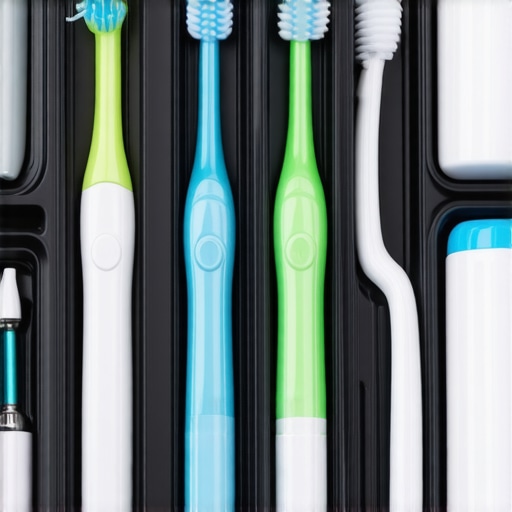
For those invested in bleaching treatments, an LED teeth whitening light can accelerate results, but I emphasize consulting your dentist for safe use. This device, when used correctly, can enhance bleaching gel penetration, leading to brighter smiles in fewer sessions. As an industry trend, DIY whitening with professional-grade tools is becoming more popular, but it’s crucial to follow guidelines to avoid sensitivity or damage. Learn more about the science behind teeth whitening success at this resource.
Routine and Software That Drive Dental Success
Digital tools are game-changers in dental maintenance. I personally use a mobile app recommended by my dentist to track my brushing time, flossing frequency, and schedule reminders for cleanings. These apps, like MySmileBuddy, utilize gamification to motivate consistent oral hygiene practices. Additionally, my practice uses digital intraoral cameras during check-ups, providing immediate visual feedback and personalized advice. Advanced software can generate detailed oral health reports, highlighting areas needing attention before problems escalate—saving time and money in the long run. As technology advances, predictive analytics are starting to forecast potential issues based on your habits, allowing for preemptive care. This makes routine maintenance a proactive rather than reactive process.
How do I keep my dental tools working well over time?
Proper cleaning and storage are fundamental. I clean my sonic toothbrush heads after each use with alcohol-based sanitizer, which disinfects without damaging the bristles. For interdental brushes, I rinse thoroughly and replace them every three months—plugins that often get overlooked, yet they are vital to prevent bacterial buildup inside the device. Regular calibration of electronic tools, like LED whitening lights, ensures their effectiveness stays optimal. Additionally, I recommend scheduling periodic professional maintenance of your devices when possible, similar to how your dentist maintains dental equipment, to extend their lifespan. As trends point toward smart dental devices, future innovations will likely include self-diagnosing tools that alert you to maintenance needs, making at-home care even more effortless. Just like with any tech, staying ahead with routine check-ups for your tools guarantees consistent results and protects your investment.
Implementing these precise, reputable tools alongside disciplined maintenance routines will help preserve your cosmetic improvements and oral health. For in-depth insights into maintaining your smile long-term, explore this expert guide. I challenge you to try scheduling a monthly deep clean with your professional tools and see how your smile maintains its brilliance over time. Remember, the key to keeping your dental work working is consistent, informed care tailored to your unique needs.
The Hidden Lessons I Learned About Retainer Maintenance
One of my biggest revelations came from realizing that minor mishandlings can lead to major setbacks. For instance, I once thought soaking my retainer in harsh chemicals would keep it pristine, only to find that it damaged the material and shortened its lifespan. That experience taught me to prioritize gentle, targeted cleaning over aggressive routines. Additionally, I learned that neglecting regular storage hygiene can invite bacteria buildup, so I now always use a clean case and replace it periodically. Lastly, I discovered that consistent routine care—daily cleaning and proper storage—can significantly extend the life of my retainer and maintain its clarity and effectiveness, proving that small habits make a big difference in long-term oral health.