
I remember the exact moment I realized my gag reflex was more of an obstacle than I thought during dental visits. Sitting in that chair, feeling the cold impression material creeping towards my throat, I froze. My heart pounded, sweat formed on my brow, and I feared I might lose control right then and there. It’s a surprisingly common experience—something almost everyone dreads when it comes to dental work.
The Struggle with Your Gag Reflex During Dental Impressions
My personal challenge sparked a journey to discover how to manage this reflex effectively. If you’ve ever felt the same anxiety, you’re not alone. Dental impressions are critical for diagnosing and creating custom solutions, like crowns or braces, but for many, the process triggers an intense gagging response. This not only makes the procedure uncomfortable but can also delay or complicate treatment plans.
Today, I’ll share proven techniques based on years of experience that can help you stay calm and in control during your next dental impression. Trust me—once you master these strategies, you’ll wonder why you ever let this hold you back. Managing your reflex isn’t about avoiding appointments; it’s about empowering yourself to face them confidently.
Could Managing Your Gag Reflex Really Make a Difference?
Early in my dental journey, I made the mistake of ignoring simple tips, which only heightened my discomfort. For instance, I used to think bracing myself was enough, but that often made things worse. According to a study from the National Institute of Dental and Craniofacial Research, techniques like controlled breathing and distraction can significantly reduce gagging episodes, enabling smoother procedures (source).
Are you tired of feeling helpless every time you hear the phrase “dental impression”? If so, you’re in the right place. Next, let’s explore some practical methods to take control of your reflex and make your dental visits more comfortable and stress-free.
Mastering Controlled Breathing
One of the most effective ways I’ve learned to manage my gag reflex was through *deep, controlled breathing*. During my first attempt, I made the mistake of holding my breath, which only heightened my discomfort. Instead, I focused on slowly inhaling through my nose for a count of four, holding briefly, then exhaling slowly through my mouth for a similar count. This technique activated my parasympathetic nervous system, calming my gag response. When I applied this during a subsequent impression, I noticed my gagging diminished significantly. Practice this method at home beforehand to make it second nature in the dental chair.
Distracting Your Mind Effectively
Distraction works wonders to divert your focus from the sensation triggering your gag reflex. I’ve found that mentally engaging in a simple visualization—like imagining my favorite beach or counting backward from 100—can shift attention away from the discomfort. For instance, when I had a particularly sensitive impression, I stared at a small sticker on the ceiling and consciously counted each star in the design. This mental shift decreased my gagging episodes. Bringing a small object of focus, like a stress ball, can also serve as a physical distraction, redirecting your mind during the procedure.
Positioning and Posture Adjustments
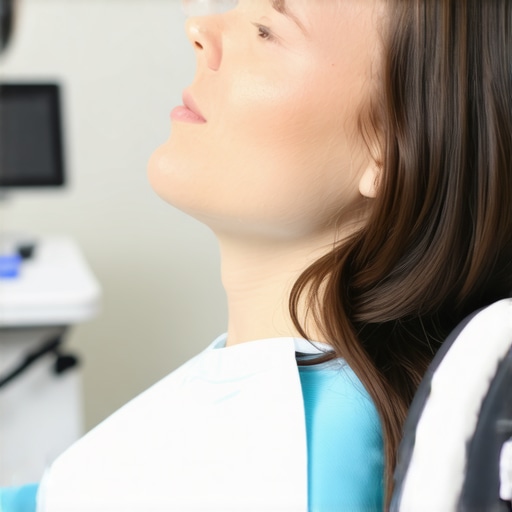
Proper positioning can make a significant difference. I learned to sit upright and slightly tilt my head back, which reduced the likelihood of the impression material triggering my gag reflex. Think of it as adjusting the angle of a camera to capture the best shot—small changes can vastly improve comfort. During my visit, I positioned myself with my chin slightly higher than my chest; this minimized the distance the material needed to reach my throat. Discuss posture with your dentist beforehand, and don’t hesitate to request adjustments if you feel uncomfortable. Learn more about cosmetic dentistry trends that include patient comfort techniques.
Using Numbing Agents as a Last Resort
If your gag reflex is severe, topical numbing gels can temporarily desensitize the sensitive areas of your mouth. During one appointment, I applied a small amount of benzocaine gel on the back of my tongue and roof of mouth, which dramatically reduced my gag response. It’s crucial to discuss this option with your dentist beforehand; they can advise on appropriate types and safety. Remember, this is a temporary aid, and proper technique is essential to avoid over-numbing or discomfort.
Implementing Consistent Practice at Home
Just like any learned skill, managing your gag reflex improves with practice. I set aside a few minutes daily to gently familiarize myself with my mouth’s sensations—placing a clean finger at the back of my throat or gently touching my tongue to the roof of my mouth. Over time, this reduced my sensitivity and made actual impressions more manageable. Regular exposure, combined with relaxation techniques, can condition your reflex to become less reactive, resulting in smoother dental visits.
Applying these strategies intentionally turned my stressful experiences into manageable appointments. If you want to explore more about maintaining a healthy, confident smile, check out the latest cosmetic dentistry innovations tailored for comfort and results.
 Many individuals believe that brushing vigorously is the key to perfect oral health, but in reality, this common misconception can do more harm than good. Aggressive brushing can erode enamel and damage gums, leading to increased sensitivity and recession (source). True oral health success hinges on gentle, thorough cleaning combined with proper technique, not brute force. Another myth is that whitening treatments are permanent fixes; however, many fail to understand that maintaining a white smile requires ongoing care and avoidance of stain-causing foods and habits. Think of teeth like a garden—they need consistent nurturing and nurturing and attention, not just a quick fix.
A hidden nuance that many overlook involves the nuances of cosmetic dentistry. For example, surface-level bleaching won’t address underlying issues such as enamel erosion or structural imperfections. Procedures like contouring and veneer placements are often misunderstood as purely aesthetic; yet, they can also restore function and protect teeth from further damage (source). Recognizing this helps patients make informed decisions tailored to their specific needs.
When it comes to family dentistry, the often underestimated factor is consistent preventive care. A lot of parents assume that routine cleanings are just about aesthetics, but studies show that regular professional cleanings significantly reduce the risk of cavities and gum disease, especially in children and seniors (source). Waiting until problems are visible often delays intervention and complicates treatment.
The ‘oops’ factor emerges when people neglect the importance of personalized care. For instance, simply flossing once a day isn’t enough for everyone, particularly those with crooked teeth or existing periodontal issues. The nuances of individual oral anatomy demand tailored approaches—this is where consulting with a professional leads to long-term benefits. Also, many overlook the impact of lifestyle choices on oral health; habits like smoking or excessive alcohol intake can undermine even the most diligent hygiene routines. Awareness of these factors forms the cornerstone of a comprehensive care plan.
Advanced researchers emphasize the role of emerging technologies, such as laser treatments, which are revolutionizing cosmetic procedures and minimally invasive therapies (source). But these innovations require understanding their proper application and limitations to avoid unnecessary procedures or false expectations.
So, before you conclude your next dental appointment, ask yourself—are you truly understanding the nuances of your oral health? Are you aware of treatments that go beyond the surface? Remember, knowledge is power, and staying informed helps you make better decisions for a healthy, confident smile. Have you ever fallen into this trap? Let me know in the comments.
Maintaining a healthy and beautiful smile over the years requires more than just good brushing habits. Having the right tools can make all the difference, ensuring your routine remains effective and comfortable. One device I personally rely on is the Philips Sonicare DiamondClean Smart electric toothbrush. Its adaptive sensors provide real-time feedback, helping me brush with precision and avoid over-brushing that can damage gums and enamel (see related article). I prefer the modes that gently clean and whiten, tailored to my needs, and the app integration guides me to improve my technique nightly. For those who prefer manual brushing, I recommend investing in a high-quality, soft-bristled brush like the SEAGULL Ultra Soft Toothbrush. Its ergonomic handle and gentle bristles prevent trauma while maintaining effective plaque removal.
Beyond brushing, I find that water flossers like the Waterpik Aquarius offer unparalleled cleaning between teeth. Unlike traditional floss, the pressurized water gently reaches below the gumline, removing debris without aggravating sensitive tissues (more on long-term tips). Using a water flosser regularly has decreased my gum bleeding and halved the time I spend on daily cleaning routines, making oral health more manageable for busy lifestyles.
To keep my enamel at its best, I employ professional-grade whitening toothpaste, such as Opalescence. It contains safe, effective abrasives that remove surface stains without harming tooth structure. I’ve noticed consistent brightness by combining this with occasional professional whitening treatments, which I recommend scheduling every 6-12 months with your dentist. These sessions ensure any deeper discoloration is addressed safely and effectively. Looking ahead, advancements like laser whitening are set to become more accessible, promising even quicker results with less sensitivity (see current trends).
How do I maintain my equipment over time?
To keep your tools functioning optimally, regular cleaning and replacement are key. I replace my brush heads every three months and ensure my water flosser’s nozzles are disinfected weekly. Proper storage in a dry, clean place prevents bacterial buildup that could compromise your oral hygiene routine. Additionally, following manufacturer instructions and scheduling regular checkups with your dentist ensures any device issues are caught early, saving you money and safeguarding your smile in the long run.
Embracing these tools and maintenance habits has transformed my daily routine into a long-term investment in my health. If you’re ready to upgrade your dental arsenal, start with that efficient electric toothbrush or water flosser—small changes yield big results. And for further insights on preserving your oral health, I suggest exploring long-term care strategies. Ready to take control? Try one of these advanced tools today, and notice how your confidence grows with each smile.
Lessons Only Insiders Usually Discover About Oral Care
- One of the most surprising realizations I had was how much the mindset around oral health influences actual results. Focusing solely on brushing hard to clean isn’t just ineffective—it can harm your gums, making dental issues worse over time. Gentle, consistent care paired with smart techniques is where true progress begins.
- Another key lesson was understanding that cosmetic solutions like teeth whitening and veneers aren’t just about appearances. When done thoughtfully, they can preserve and even strengthen the integrity of your natural teeth, giving you a long-lasting, functional, and beautiful smile. It’s like upgrading your home’s foundation while enhancing its aesthetics.
- The often-overlooked power of personalized dental routines became clear as I realized that standard advice doesn’t fit everyone. Tailoring your approach—whether through specialized tools or targeted treatments—can exponentially improve your results and motivation to keep up with good habits.
- Finally, I learned that embracing emerging technologies, such as laser dentistry or smart oral hygiene devices, provides advantages that were unthinkable a decade ago. These innovations aren’t just trendy—they actually make procedures more efficient, less invasive, and more comfortable for patients willing to adapt.
Tools and Sources That Elevated My Family’s Smile Game
- The Philips Sonicare DiamondClean Smart has revolutionized my brushing routine. Its adaptive sensors and personalized app guidance ensure I don’t miss spots or brush too aggressively—helping preserve my gums and enamel. I’ve found that investing in quality tools yields long-term savings and health benefits.
- For thorough cleaning between teeth, I rely on the Waterpik Aquarius water flosser. It’s gentle yet effective in removing debris and reducing gum inflammation—especially important for my kids and busy mornings. This device has become a staple for sustained oral health.
- I also trust professional-grade whitening toothpastes like Opalescence, which bolster teeth’s brightness without the sensitivity that some over-the-counter products cause. Combined with periodic in-office treatments, they keep my smile vibrant and healthy.
- Regarding knowledge sources, I lean on trusted experts and comprehensive guides like the articles at latest cosmetic dentistry innovations. Staying informed helps me make proactive decisions that benefit my entire family’s dental journeys.
Seize Your Smile’s Full Potential Today
Every step you take towards better oral health, from mastering gentle techniques to embracing beneficial technology, adds up to a confident, radiant smile. Don’t wait for dental issues to become urgent—invest now, stay consistent, and enjoy the lasting rewards. Your future self will thank you for prioritizing your smile’s health and beauty. What new habit or tool will you try to improve your oral care routine today? Let me know below and start your journey toward a healthier, brighter smile!
.