
Ever had that sinking feeling when you’re brushing your teeth and suddenly notice blood rising to the surface? I remember the first time it happened to me—shocking and a bit scary. I thought it was just me being careless, but the bleeding kept recurring, and it coincided oddly with my menstrual cycle. That lightbulb moment made me realize I wasn’t alone, and my oral health was more interconnected with my body than I ever imagined.
Understanding the Link Between Menstruation and Gum Bleeding
It’s common for women to experience some changes in their gums around their periods, but why does bleeding seem to be a special, cyclical event? The answer lies in the hormonal fluctuations that occur during the menstrual cycle. Fluctuating estrogen and progesterone levels can increase blood flow to the gums, turning them more sensitive and prone to bleeding—especially if there’s already some plaque buildup present. This isn’t just a matter of poor dental hygiene; it’s a physiological response that can catch many off guard.
Is Hormonal Changes the Only Culprit?
While hormones play a significant role, I learned early on that neglecting proper oral care amplifies the problem. I used to think that just brushing more vigorously would help, but surprisingly, over-brushing can worsen gum irritation. Instead, gentle techniques are key, especially during sensitive times. You can see more tips on best practices for sensitive gums. Remember, it’s also vital to address existing plaque before hormonal shifts hit, or you’ll struggle with persistent bleeding every month.
So, what can you do if your gums bleed only during your periods? That’s exactly what we’ll explore next. But first, let’s clear up some doubts—you might be wondering if this is something to worry about long-term or just a temporary inconvenience.
Are You Overreacting to Slight Bleeding? The Biggest Skepticism
I used to dismiss minor bleeding as insignificant—until I learned that ignoring it can lead to more serious issues like gum disease. Early missteps in my own journey included skipping regular dental checkups because I thought bleeding was normal during menstruation. Trust me, a quick consultation can clarify what’s happening and prevent future complications. Want to get ahead of this problem? Don’t hesitate to reach out to a dental professional today. In the following sections, I’ll share practical, proven strategies to manage and minimize gum bleeding during your cycle, based on personal experience and expert advice.
Master Your Daily Oral Care Routines
Start by choosing a toothbrush with soft bristles to prevent further irritation. I once tried a vigorous brushing technique, thinking it would eliminate plaque faster, but it only worsened my bleeding. Instead, I replaced my toothbrush with a gentle, circular motion, which significantly reduced gum inflammation. Use gentle brushing techniques designed for sensitive gums. Incorporate flossing carefully every day, sliding the floss gently between teeth without snapping it against the gums. This helps remove plaque where brushes might miss, reducing gum inflammation during your cycle.
Optimize Your Oral Hygiene Schedule
Establish a routine of brushing twice daily for at least two minutes each time, preferably after meals. During menstruation, I found brushing immediately after eating helped prevent plaque buildup, which worsened bleeding. Remember, timing matters—wait about 30 minutes after consuming acidic foods or drinks to avoid damaging enamel. Use an antimicrobial mouthwash containing chlorhexidine for short periods, especially during active bleeding days. This helps control bacteria that exacerbate gum inflammation.
Adjust Your Diet and Hydration
Drinking plenty of water keeps your mouth moist, aiding in natural cleansing. I increased my water intake during periods, which alleviated dryness that can cause gum sensitivity. Limit sugary and processed foods, as they contribute to plaque formation. Incorporate foods high in vitamin C, like oranges and strawberries, to support gum health. For added benefits, consider supplements after discussing with your dentist—nutrients like coenzyme Q10 can promote healing.
Incorporate Specialized Oral Care Products
Switch to toothpaste formulated for sensitive gums, which contains ingredients like aloe vera or chamomile. I experimented with a few brands, and one with soothing properties decreased discomfort and bleeding episodes. Use interdental brushes or rubber tip stimulators to gently massage gums, improving circulation and reducing inflammation. These tools are less traumatic than traditional floss and are excellent during sensitive periods.
Establish Regular Dental Checkups
Professional cleanings are crucial to removing stubborn plaque and tartar that exacerbate bleeding. I scheduled visits every three to four months when I noticed cyclical bleeding, which made a noticeable difference. If you experience persistent bleeding, consult a dentist promptly to rule out underlying issues like gum disease. They can recommend treatments or prescribe mouth rinses tailored to your needs.
Seek Expert Guidance for Personal Concerns
Sometimes, self-care isn’t enough, especially if bleeding worsens or doesn’t improve. Don’t hesitate to connect with a dental professional—they can provide personalized advice and monitor your progress. You can reach out through this contact page for tailored support. Remember, managing hormonal fluctuations involves a combination of good habits and professional care, ensuring your gums stay healthy throughout your cycle.
<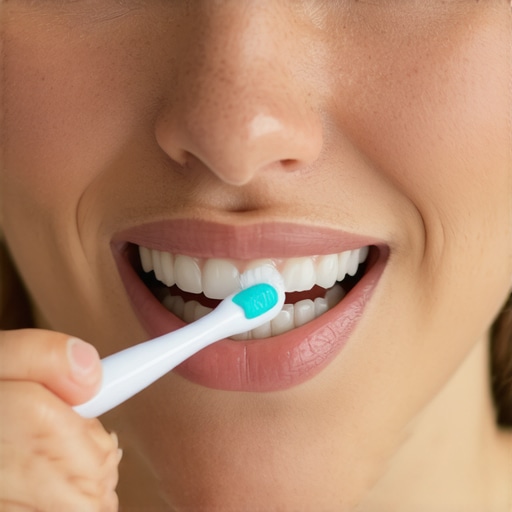 >Many people think they know everything about maintaining oral health, but the truth is, some widely held beliefs are actually misconceptions. For example, it’s often assumed that brushing harder removes more plaque, but in reality, aggressive brushing can damage your gums and enamel, leading to sensitivity and recession. According to the American Dental Association, gentle brushing with a soft-bristled brush is most effective and safe for long-term oral health. This misconception can cause people to injure their gums without realizing it, emphasizing the importance of proper technique over force.
Another pitfall involves the belief that mouthwash replaces flossing. While mouthwash can reduce plaque and freshen breath, it doesn’t physically remove debris and plaque between teeth like flossing does. Relying solely on mouthwash can leave behind hidden buildup that may lead to cavities or gum disease. My personal experience shows that combining flossing with the right oral hygiene tools yields far better results, especially if you have sensitive gums or are prone to bleeding.
Many assume that all dental treatments are purely cosmetic and unnecessary unless there’s pain. However, regular checkups and professional cleanings detect issues like early gum disease or cavities before they escalate. Delaying visits based on the myth that only painful problems require attention can lead to more invasive, expensive procedures later. Dentists emphasize that routine visits, as explained in this article, are vital for preventive care.
But what about advanced misconceptions that can seriously harm your dental health? For instance, some believe that whitening treatments damage teeth permanently. While improper or overly aggressive bleaching can cause sensitivity, professional cosmetic dentistry employs safe, supervised techniques that don’t harm enamel when used responsibly. It’s crucial to consult your dentist about options like cosmetic dentistry and ensure procedures are tailored to your needs.
A common trap many fall into is believing that DIY remedies or cheaper, over-the-counter solutions are as effective as professional care. Cutting corners might save money upfront but can lead to complications, including poorly fitted restorations or exacerbated decay, which specialists can prevent. Experts advocate for regular dental visits and personalized treatment plans, backed by scientific research like the study from the National Institutes of Health that underscores the effectiveness of professional interventions.
Why is it so essential to recognize these myths and misconceptions? Because they can lead to neglected care, unnecessary damage, and higher costs over time. The key is to understand the nuances—like how gentle brushing outperforms vigorous scrubbing, or how professional cleanings prevent minor issues from becoming major problems.
Remember, your oral health is a complex interplay of habits, treatments, and biological factors. If you’ve ever fallen into these traps, let me know in the comments. For personalized guidance, don’t hesitate to connect with a dental expert through this contact page. Mastering the truth about oral care ensures your smile stays healthy and radiant for years to come.
Equip Yourself for Success
Maintaining optimal oral health over the years demands more than just good habits; it requires the right tools and techniques. I personally swear by using an electric toothbrush with sensitive settings, specifically the SonicRevolution, because its oscillating head minimizes gum trauma while delivering superior plaque removal. Pairing this with a tailored interdental brush, like the GumCare Ivory, allows for precise cleaning in hard-to-reach areas, reducing the risk of periodontal issues.
How do I maintain oral health tools over time?
Regularly replacing brush heads—every three months for electric brushes—is crucial, as worn bristles lose effectiveness and can harbor bacteria. Sanitize your interdental brushes and floss picks weekly with a disinfectant solution, similar to the method outlined in the NIH guidelines. Storing these tools in a dry, ventilated space prevents mold growth and keeps them hygienic for long-term use. Investing in a UV sanitizer device can further sterilize your tools, ensuring a cleaner environment for your oral care routine.
Prioritize Professional Guidance
While personal tools are vital, nothing replaces regular checkups. Schedule professional cleanings at least twice a year, or more often if advised, to remove stubborn tartar and catch issues early. I recommend the family dentistry approach for lifelong health—it’s about building a foundation that serves everyone in your household. During visits, discuss tailored maintenance strategies, such as fluoride varnishes or sealants, to strengthen your teeth long-term.
Stay Ahead with Future-Ready Tools
The evolution of dental technology points toward smart, app-connected devices. Imagine a toothbrush that syncs with your smartphone, providing real-time feedback and tips. I see this trend expanding, combining data analytics with personalized oral health plans, much like how wearable health tech is transforming personal fitness. Staying informed about these innovations can make your maintenance routines more effective and engaging. For example, try the SmartBrush+, which offers tailored brushing routines based on your specific needs.
Adopting this proactive approach with both innovative tools and expert advice ensures your oral health remains resilient against time. It’s about integrating science-backed methods seamlessly into your daily life, turning routine care into a lasting investment.
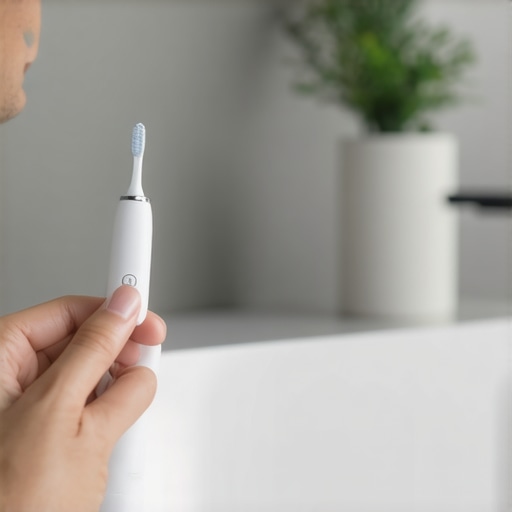
Remember, the secret isn’t just having good tools—it’s using them correctly. Give the advanced brushing technique a try today, and experience firsthand how it can elevate your dental routine. Your future self will thank you for this commitment to lasting oral health.
What I Wish I Knew About Hormonal Flare-Ups and Gum Health
- Don’t overlook the power of gentle techniques; I used to think brute force was the answer, but I learned that kindness in brushing yields better results.
- Hormonal fluctuations can be a silent trigger, reminding me that my body’s signals are crucial indicators of oral health changes.
- Consistent professional care is more vital during cyclical sensitivities; early checkups save me from unnecessary pain and expensive fixes.
- Combining science-backed products and customized routines has transformed my approach, making oral care a proactive rather than reactive habit.
- Understanding misconceptions, like mouthwash replacing flossing, keeps my routine effective—trusting expert advice over myths has been a game-changer.
Tools and Resources That Made a Difference for Me
- The best practices for sensitive gums guide helped me refine my technique and avoid irritation.
- Using a soft-bristled electric toothbrush like the SonicRevolution made a noticeable difference in gentleness and plaque removal.
- Regular visits to my family dentist helped catch issues early and tailor my routine as my body’s needs evolved.
- The latest cosmetic dentistry advancements have boosted my confidence and motivated me to prioritize regular care.
Embrace Your Dental Journey Today
Managing hormonal gum bleeding is a personal journey, built on awareness and consistent effort. Remember, your oral health reflects your overall well-being—embrace the steps that keep your smile vibrant through all phases of life. Whether you’re just starting or refining your routine, taking action now ensures a healthier, happier future for your teeth and gums.
Have you noticed cyclical changes in your oral health? Share your experiences below and let’s support each other in achieving optimal smiles!
,