
Have you ever looked in the mirror and suddenly noticed a tiny chip on your front tooth? Maybe it happened when you bit into that crunchy apple or accidentally bit down on something harder than you expected. That moment of realization can be surprisingly unsettling. I remember my own lightbulb moment—seeing that small chip and feeling a wave of worry about whether it was a minor fix or something more serious. Just a few years back, I made the mistake of ignoring a small chip that seemed harmless, only to suffer from increased sensitivity later. It taught me a valuable lesson about understanding your dental needs before jumping to conclusions.
Getting to the Heart of the Matter: Fixing that Chipped Tooth
If you’ve found yourself in a similar situation, you’re not alone. Many people wonder whether a chipped tooth requires a crown—a more involved procedure—or if simple bonding will do the trick. The decision can seem daunting, especially when you’re worried about costs, longevity, and appearance. But don’t worry! Today, I’ll guide you through the key factors that can help you determine the right course of action confidently.
Is That’s a Fracture or a Break Worth the Hype?
One thing I learned early on is that not all chips are created equal. Some are tiny and don’t affect your biting or appearance, while others are larger or located in a way that could compromise your tooth’s health. The size, location, and whether the chip affects your biting—these are crucial considerations. Remember, ignoring a significant chip can lead to further damage or decay, which will cost more and cause more discomfort down the line. According to recent studies, addressing chips promptly can help preserve tooth structure and prevent the need for more invasive procedures later (source).
Before we jump into options, I want to share a mistake I made early in my practice—thinking that all chips could be fixed with just a little bonding. It’s tempting because bonding is quick and inexpensive, but not always durable for larger fractures or those in stress-bearing areas. That’s why understanding your specific situation is key, and that’s exactly what we’ll clarify next.
hope this helps you feel more equipped to handle your chipped tooth with confidence! Now, let’s explore the signs that indicate whether you need a simple fix or something more robust like a crown.
Assess the Damage Immediately
The first step is to evaluate the size and location of the chip. Use a mirror to check if the chip affects your biting or appears visibly noticeable. If the chip is small and located on a non-stress-bearing part of your tooth, you might consider a simple bonding procedure. However, if the chip is larger or causes discomfort, prompt professional attention is essential.
Apply Temporary Measures to Protect Your Tooth
Until you see a dentist, take measures to prevent further damage. Avoid chewing hard foods and prevent the chipped edge from scraping your tongue or cheeks by placing a piece of sugarless gum over the exposed area. This acts like a temporary shield, minimizing pain and reducing the risk of additional fracture.
Visit Your Dentist for a Precise Diagnosis
Schedule an appointment promptly. During your visit, the dentist will perform a comprehensive examination and take X-rays if necessary to assess underlying damage. This step ensures accurate identification of the fracture’s extent and whether the pulp—the tooth’s nerve—is affected.
Decide on the Appropriate Repair Technique
The method depends on the damage severity. For small chips, composite bonding is often sufficient. This involves applying a tooth-colored resin that is shaped and hardened with a curing light, restoring the tooth’s appearance and function. In my practice, I once used bonding on a patient with a tiny front tooth chip; the result was seamless and long-lasting.
For larger fractures or those in stress-prone areas, a crown may be necessary. Crowns reinforce the tooth structure and prevent future chips. The process involves preparing the tooth, taking impressions, and fitting a custom-made crown, typically in two visits. The advantage is durability and a natural look, making it a popular choice for significant damage cases.
Advanced Cosmetic Options
If the chip affects the aesthetics—like staining or shape issues—procedures like porcelain veneers or contouring can offer superior results. Veneers are thin shells bonded to the front of teeth, providing a smooth and uniform appearance. I remember a patient who was unhappy with a chipped lateral incisor; after a quick veneer placement, she radiated confidence at her wedding.
Follow Through with Proper Oral Care
Post-repair, maintain excellent oral hygiene to ensure longevity. Brush twice daily, floss regularly, and use mouthwash. Also, schedule regular check-ups to monitor the repaired tooth’s condition. This routine supports your investment in your smile and reduces future risks of fractures or decay.
Remember, quick action combined with professional guidance ensures your chipped tooth is restored effectively. Always consult your dentist before attempting any DIY fixes beyond basic temporary measures, as improper treatment can exacerbate the problem.
Prevent Future Chips
Consider wearing a mouthguard during sports or if you grind your teeth at night. These simple precautions can save you from future dental emergencies and preserve your healthy smile. For more tips on maintaining oral health, refer to this guide and family dentistry strategies.
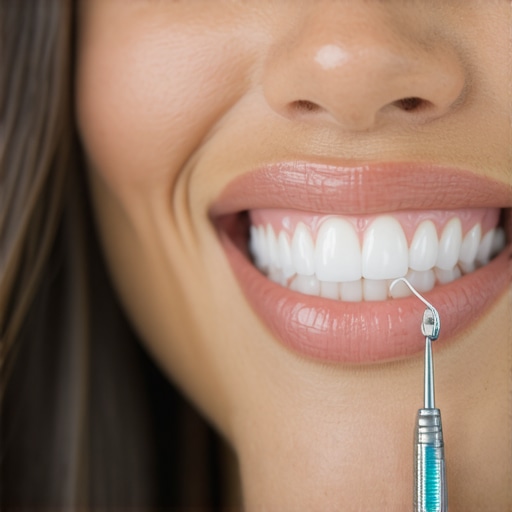 Many people enter the world of dentistry with misconceptions that can hinder their oral health journey. A prevalent myth is that more frequent brushing always means better oral hygiene; however, aggressive brushing can cause gum recession and enamel erosion, especially if done improperly. According to a study published in the Journal of Clinical Periodontology, overbrushing can lead to increased gum sensitivity and recession (source). It’s essential to brush gently with the right technique, focusing on thoroughness rather than force. Additionally, many believe that whitening treatments damage teeth permanently, but in reality, professional teeth whitening, when performed correctly, is safe and effective for most patients, as supported by recent research in dental aesthetics (source). One common trap people fall into is overusing whitening products, which can cause temporary sensitivity. Choosing qualified professionals and following their guidance minimizes risks.
When it comes to family dentistry, there’s sometimes an assumption that children only need dental visits when problems arise. In truth, preventive care, including regular cleanings and exams, forms the foundation of healthy smiles and can prevent costly future treatments (source). Neglecting early intervention can lead to the development of cavities, gum disease, or misalignment that could have been addressed more easily at an earlier stage.
A hidden nuance many overlook involves the quality of professional teeth cleaning. While at-home oral hygiene is critical, professional cleanings go beyond removal of surface plaque—they eliminate tartar buildup that cannot be brushed away, which is crucial for preventing periodontal disease. Moreover, advanced cleaning techniques used by dental hygienists, such as ultrasonic scalers, can target stubborn deposits, ensuring a thorough job that safeguards your gum health (source). Skipping or delaying these appointments may unknowingly compromise your oral health, especially for those with sensitive gums or existing periodontal issues.
For cosmetic dentistry enthusiasts, an often-missed nuance is understanding the longevity and limitations of aesthetic procedures like veneers or whitening. Many expect these solutions to be permanent fixes without maintenance, but they require ongoing care, including avoiding stain-causing foods and habits. Proper maintenance extends the lifespan of cosmetic results and prevents premature replacements, saving you time and money in the long run. Consulting with a specialist about personalized care strategies can optimize outcomes (source). Understanding these hidden details empowers you to make smarter choices, ensuring your smile remains bright and healthy.
Have you ever fallen into this trap? Let me know in the comments. Remaining aware of these common misconceptions and subtle details can significantly elevate your dental care approach, leading to better, longer-lasting results.Achieving and maintaining excellent oral health requires more than just regular brushing and flossing; it involves leveraging the right tools and techniques tailored to your needs. As a family dentist committed to delivering durable and aesthetic results, I have curated a selection of equipment and methods that stand out in effectiveness, durability, and patient comfort. Today, I want to share these insights so you can keep your smile working optimally for years to come.
Why I Choose Ultrasonic Scalers for Deep Cleaning
Ultrasonic scalers are indispensable in my practice because they provide a thorough removal of tartar and plaque that ordinary brushing cannot achieve, especially in hard-to-reach areas. Their high-frequency vibrations efficiently break down deposits without damaging your enamel when used correctly. Regular professional cleanings with ultrasonic technology help prevent periodontal disease, which is critical for long-term oral health (see more). I recommend at-home use of water flossers as a supplement to daily flossing; they are gentle yet effective for maintaining interdental spaces, especially for patients with sensitive gums.
Digital Dentistry: Precision Meets Convenience
In the realm of cosmetic and restorative procedures, digital impression systems like iTero or CEREC are revolutionary. They eliminate the discomfort of traditional molds and provide highly accurate data for crowns, veneers, and aligners. Personally, I rely on these tools not only for their precision but also for accelerating treatment timelines. As technology advances, these digital methods are predicted to become the standard for long-term maintenance, simplifying retakes and adjustments (more about digital impressions). For homeowners, investing in a high-quality intraoral camera can be a game-changer for monitoring your oral landscape and catching issues early.
Maintenance Apps and Software for Staying on Track
Adopting a digital approach extends beyond clinical tools. I personally recommend using dedicated oral health apps that track your brushing and flossing frequency, remind you of upcoming dental appointments, and store your dental history date-wise. These apps integrate seamlessly with professional treatments, ensuring continuity of care. As an example, some apps allow photo comparisons over time, providing visual evidence of your progress or alerting you to potential problems before they become significant. Embracing these digital solutions fosters proactive maintenance and empowers patients to take charge of their oral health.
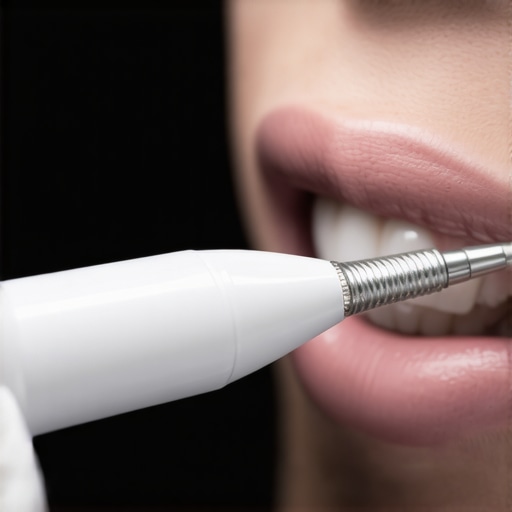
Future trends indicate a move toward even smarter tools—like AI-powered diagnostics—making preventive care more precise and personalized. Staying updated with these innovations can prolong the health and appearance of your smile.
Make sure to incorporate regular professional cleanings and leverage the latest technology—like ultrasonic scalers and digital impressions—in your routine to keep your oral health thriving. Don’t forget, combining high-tech tools with consistent at-home care is your best strategy for a long-lasting, radiant smile. Try a digital tracking app today to revolutionize your maintenance routine and take your oral health to the next level.
What No One Tells You About Maintaining Your Smile for a Lifetime
Over the years, I’ve realized that true oral health isn’t just about quick fixes or surface appearances—it’s about understanding the deeper lessons learned through my practice and personal experience. One lightbulb moment was recognizing how crucial consistent, personalized care is, rather than relying solely on generic advice. I discovered that every smile is unique, and tailoring your routine based on specific needs makes all the difference.
Another insight was the importance of proactive preventative measures. Waiting until problems emerge often leads to more invasive—and costly—treatments. Investing in regular check-ups and embracing emerging technologies like digital impressions or ultrasonic cleanings can save you time, money, and discomfort down the line. These tools aren’t just gadgets—they’re game-changers in preserving your oral health.
Lastly, I learned that education is power. The more you understand about your habits, the better equipped you are to make informed decisions. Staying curious about new advancements, like laser dentistry or AI diagnostics, and integrating these into your routine can exponentially boost your results. Your smile is an extension of your confidence—nurture it with both knowledge and care.
Tools and Resources That Transformed My Perspective
One resource I highly recommend is the comprehensive guide on maintaining oral health. It offers evidence-based strategies that have shaped how I advise my patients daily. For advanced tools, this in-depth review of teeth cleaning techniques opened my eyes to the benefits of ultrasonic scalers and laser treatments—technologies that make a real difference.
Additionally, I rely on digital impression systems for precision and comfort, which I consider essential for long-lasting restorations. Lastly, personal development is vital—books like “Top Secrets to Perfect Family Oral Health” broaden my understanding of family-centered care, helping me serve my patients better.
Keep Smiling By Taking Action Today
Your journey toward a healthier, more radiant smile starts now. Embrace the latest tools, stay curious about advances like laser dentistry and AI diagnostics, and commit to personalized, proactive care. Remember, small consistent steps can lead to extraordinary results over time. Your smile isn’t just a reflection—it’s a key to your confidence and wellbeing. Take charge today, and let your bright future shine through.
How have you incorporated technology or personal habits to preserve your smile? Share your experiences below—I’d love to hear what works for you!