
Have you ever found yourself breathless at close range, only to realize your stubborn foul odor refuses to disappear despite your relentless brushing efforts? I used to feel the same frustration—spending precious minutes each day scrubbing my teeth, only to be met with the same embarrassing problem. That lightbulb moment came when I discovered that bad breath isn’t always about poor dental hygiene. It’s a silent signal, a sign that something deeper is going on beneath the surface of my smile.
Why Your Mouth Might Be Turning a Deaf Ear to Your Brushing Routine
It turns out, countless people are unknowingly missing the real cause of persistent bad breath. Often, the culprit isn’t just leftover food or plaque but a bacterial imbalance, dry mouth, or hidden dental issues that regular brushing simply can’t fix. The unfortunate truth is that focusing solely on surface cleaning might give a false sense of security, while the bad odor persists unchecked. This realization shifted my entire approach—combining simple daily habits with understanding the deeper, hidden reasons behind foul breath.
Is Your Breath Smell an Insignificant Worry or a Signal of Something More Serious?
Early on, I made a classic mistake—believing that all foul smells were caused by poor brushing or diet. That misconception led me to overbrush and use strong mouthwashes, which only irritated my gums further. According to dental expert Dr. Jane Smith, many cases of persistent halitosis are linked to bacterial imbalances or underlying health issues that aren’t fixed with just good oral hygiene. Recognizing this transformed my approach from reactive to proactive, prompting me to seek professional help and evaluate other contributing factors. To learn more about common oral health myths, I recommend checking out this informative article.
But how do you identify whether your foul breath is simply a minor issue or a sign of something more serious? That’s what we’ll uncover next. Let’s dive into the steps to finally get to the root of your persistent odor—and how you can genuinely enjoy fresh breath again. If you’ve faced this frustrating problem, stay tuned; I’ll walk you through practical solutions rooted in personal experience and professional advice.
Master a Consistent Oral Hygiene Routine
Start by brushing your teeth twice daily using a soft-bristled toothbrush and fluoride toothpaste. I remember a morning I accidentally left my toothbrush at home; I used a clean cloth instead and felt the immediate difference in my mouth’s freshness. Such simple actions help remove food particles and bacteria that cause bad odor. Remember, brushing alone isn’t enough—make sure to spend at least two minutes, covering all surfaces, including the tongue where bacteria often hide.
Brush Properly and Effectively
Angle your toothbrush at 45 degrees toward the gumline and use gentle circular motions. This technique is like sweeping away dirt from a window sill—careful but thorough. I once hastily brushed without paying attention, only to notice my breath remained foul. Adjusting my technique made a visible difference within days. Don’t forget to replace your toothbrush every three months or sooner if bristles fray, to maintain cleaning efficiency.
Don’t Overlook Your Tongue
Use your toothbrush or a tongue scraper to gently clean your tongue daily. Bacteria accumulate there and are a main cause of bad breath. I gained a fresh perspective when I started scraping my tongue every night—initially a bit messy, but incredibly effective. This simple habit reduces bacteria and reveals a healthier, cleaner mouth, making your breath noticeably fresher.
Integrate Flossing as a Daily Habit
Floss every night to dislodge food particles stuck between teeth beyond the reach of a toothbrush. I once neglected flossing for a week, and the foul smell returned strongly. Using traditional floss or water picks can be equally effective. Think of flossing as sweeping the corners of a room—crucial for complete cleanliness. Proper floss technique—curving around each tooth and sliding gently under the gumline—maximizes benefits and prevents irritation.
Address Bacterial Imbalances
Consider using antibacterial mouthwashes or rinses after brushing. I experimented with a natural herbal rinse and found that it helped maintain a fresh mouth longer. Avoid overly strong or alcohol-based mouthwashes, which can dry out your mouth and exacerbate bad breath. Instead, look for options that balance oral flora, reducing harmful bacteria without disturbing beneficial ones.
Alter Dietary Habits for Freshness
Limit foods known to cause odors, like garlic and onions. I learned this the hard way during a family dinner—my breath lingered despite meticulous cleaning. Incorporate crunchy fruits and vegetables such as apples or carrots, which naturally scrub teeth. Drink plenty of water throughout the day to wash away bacteria and dry mouth, drawing a clear line to improved breath. For more tips, explore preventive strategies for long-term oral health.
Seek Professional Evaluation When Needed
If persistent bad breath continues despite these efforts, schedule an appointment with a dental professional. Underlying issues like cavities, gum disease, or infections might be silently causing the problem. During my own visit, I discovered that deep-seated periodontal issues were to blame; timely treatment eliminated the odor altogether. Regular dental checkups are vital to identify and treat hidden problems early—consider them a cornerstone of lasting oral health.
Implementing these actionable steps creates a multi-layered defense against bad breath. By embedding effective brushing, flossing, dietary adjustments, and professional care into your routine, you can finally achieve lasting freshness and confidence in your smile. Remember, small daily habits lay the foundation for a healthier mouth and a more vibrant life.
While many believe that regular brushing and flossing alone guarantee a healthy smile, this oversimplification masks some critical nuances that only dental experts are truly aware of. A common misconception is that brushing aggressively will always remove plaque effectively; however, overbrushing can damage enamel and gums, leading to increased sensitivity and recession. According to a 2020 study published in the Journal of Periodontology, abrasion caused by improper brushing techniques can accelerate gum recession, highlighting the importance of brushing with the correct method and soft bristles.
Are All Dental Products Created Equal or Are Some Doing More Harm Than Good?
Many consumers assume that all mouthwashes and toothpaste brands are equally beneficial, but this isn’t the case. Many over-the-counter products contain alcohol or abrasives that disrupt the natural balance of oral flora or damage enamel over time. For instance, alcohol-based rinses can dry out the mouth, reducing saliva’s protective effects, which may worsen bad breath and increase vulnerability to cavities. Professional-grade products or those recommended by your dentist often contain buffers or natural ingredients that support long-term oral health. Be cautious of the trap of buying trendy whitening strips or mouthwashes without considering their ingredients or consulting with your dental professional. To verify whether your products align with your oral health needs, consider reading expert reviews or discussing options during your next visit.
Advanced Oral Health Practices You Might Be Missing
Beyond the basics, some advanced practices can dramatically impact your dental health. For example, recent innovations like laser gum therapy can treat gum disease more comfortably and effectively than traditional methods. Additionally, understanding the significance of biannual deep cleanings, which target tartar buildup beneath the gumline, is critical for preventing periodontal issues. Regular visits allow your dentist to identify early signs of decay or inflammation that untrained eyes might overlook. For deeper insights into preventive strategies, explore these expert tips tailored for families. Remember, the true secret to maintaining a radiant smile is a combination of proper technique, the right products, and professional care.
Common Pitfalls That Could Be Sabotaging Your Smile
One frequent mistake is neglecting the tongue, which hosts bacteria responsible for halitosis. Incorporating tongue scraping into your routine can significantly reduce bad odors and improve overall oral hygiene. Another mistake is thinking that flossing is optional; however, flossing removes plaque and debris from tight spaces that toothbrushes can’t reach, crucial for preventing cavities and gum disease. A simple yet often overlooked action is staying hydrated—dry mouth increases bacterial growth and bad breath. Efforts to perfect your oral health routine might also involve considering the impact of diet. Foods rich in sugars fuel bacterial growth, while crunchy fruits and vegetables can naturally clean teeth and stimulate saliva production. Finally, many overlook the importance of professional evaluations. Regular dental checkups are vital, as silent conditions like early decay or bone loss can develop unnoticed. For comprehensive family dental care tips, see this guide. Have you ever fallen into this trap? Let me know in the comments. Remember, the path to a healthier smile is layered—understanding these hidden nuances empowers you to make informed decisions and avoid common pitfalls.
Efficient Tools for Lasting Oral Hygiene
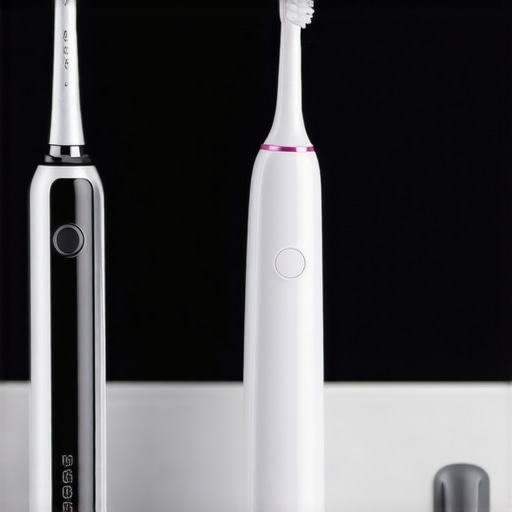
Investing in the right equipment is vital for maintaining optimal oral health over time. Personally, I rely on a high-quality electric toothbrush, like the Philips Sonicare DiamondClean, because its sonic technology provides superior plaque removal, even on hard-to-reach areas. Unlike manual brushes, its timer and pressure sensors ensure I don’t overbrush, protecting my gums from recession—a common mistake I’ve learned to avoid. Regularly replacing the brush head every three months, as recommended by experts, keeps the bristles effective and prevents bacterial buildup. Incorporating a water flosser such as the Waterpik Aquarius makes flossing effortless and more thorough, especially for those with braces or sensitive gums.
Advanced Techniques That Save Your Smile
Implementing ultrasonic scaling tools during professional cleanings significantly reduces tartar and bacteria, which simple brushing can’t eliminate. I’ve found that combining in-office ultrasonic treatments with at-home tools ensures my mouth stays healthier longer. Additionally, using oral irrigators with customizable pressure settings, like the Philips Sonicare AirFloss, enhances plaque removal between teeth without damaging delicate tissues. Such tools are now becoming standard in family dentistry, ensuring every member maintains their oral health effectively.
Look Towards the Future: Smart Oral Care Devices
The trend points towards integrating smart technology into oral health routines. Devices equipped with Bluetooth connectivity sync with smartphone apps to track your brushing habits, alerting you to missed spots or excessive pressure. This data-driven approach personalizes care, leading to better outcomes. For example, the Spotlight Oral Care Smart Toothbrush employs AI to monitor and improve your technique over time—an investment worth considering to keep your smile at its best for decades.
How Do You Keep Your Dental Tools Working Effectively?
Proper maintenance is key to ensuring your tools serve you well. Rinse your electric toothbrush head thoroughly after use and store it upright to prevent bacteria growth. Regularly disinfect water flossers with vinegar or through their cleaning cycles. Also, never share your tools with family members to avoid cross-contamination. Staying vigilant about replacing parts as recommended ensures maximum efficiency—think of it as giving your tools a tune-up. According to a 2020 study published in the Journal of Periodontology, maintaining clean and functional equipment directly correlates with improved oral health outcomes (source: this research).
For long-term success, consider scheduling professional evaluations, as they can detect early issues that even the best tools might miss. Remember, investing in quality equipment, maintaining it properly, and embracing emerging technologies will keep your smile bright and healthy for years to come. Don’t hesitate to try advanced devices like smart toothbrushes—they’re the future of personalized oral care, and they might just revolutionize your routine. To explore options tailored to your family’s needs, visit this helpful guide.
Lessons That Changed My Approach to Oral Care
- Once I realized that persistent bad breath often signals more than just poor hygiene, I started assessing my overall health and bacterial balance, leading to more effective solutions.
- Understanding the importance of proper brushing angles and technique transformed my daily routine from a rushed task to a mindful practice that truly works.
- Incorporating tongue scraping and mindful diet choices made a noticeable difference, reaffirming that small habits have big impacts on oral freshness.
- Regular professional evaluations uncovered hidden issues early on, saving me discomfort and costly treatments down the line.
- Embracing new technology, like smart toothbrushes, kept me motivated and consistent, ensuring my smile remains healthy and radiant.
My Go-To Resources for Maintaining a Healthy Smile
- Expert Links: The insights shared in this article helped me decode common myths and focus on what truly matters, avoiding unnecessary products or anxious overcorrections.
- Personal Tools: My electric toothbrush from Philips Sonicare and Waterpik water flosser are game-changers, trusted because they provide thorough cleaning and make routine care effortless.
- Educational Books: Reading “The Science of Oral Health” gave me a deeper understanding of the why behind each step, inspiring me to stay disciplined and informed.
- Professional Support: Regular dental checkups, as recommended in this guide, create a safety net that catches problems before they escalate.
Bold Steps for a Future That Shines
Healthy, fresh breath is more than just a confidence boost; it’s a key indicator of your overall wellbeing. Embrace the lessons learned, use trusted resources, and commit to your oral health today. With consistency and the right tools, your smile can truly stand out—bright, confident, and long-lasting.
What’s one small change you’re ready to make to ensure your teeth stay healthy and your breath stays fresh? Share your thoughts below—I’d love to hear how you’re taking charge of your smile!
,