
It hit me one morning after an intense workout. My gums, usually quiet and comfortable, suddenly felt like they were throbbing—an odd, almost pulse-like ache that wouldn’t go away. At first, I thought it was just a random sensation, maybe from brushing too hard or some strange new toothpaste. But as the hours passed, the discomfort persisted, and I couldn’t help but wonder: what on earth was happening?
Understanding the Link Between Exercise and Gum Discomfort
Many people don’t realize that physical activity can sometimes influence oral health in unexpected ways. When I dug a little deeper, I learned that a throbbing sensation in your gums after a workout isn’t just a random quirk—it can be a sign of underlying issues that need attention. For instance, dehydration, increased blood flow, or even minor inflammation exacerbated by physical exertion can cause such sensations. I remember making the mistake early on of dismissing these feelings as just fatigue or the aftermath of a good sweat. That’s a common trap—but it can be risky.
If you’re experiencing similar symptoms, it’s essential to pay attention and act accordingly. Today, I want to guide you through understanding what might be causing this discomfort and when it’s time to reach out to your dentist. Because, believe me, early intervention can save you from bigger problems down the line.
Is Gum Throbbing After a Workout Actually Worth Worrying About?
At first, I brushed it off, assuming it was just another side effect of exercise. But I soon realized that persistent gum throbbing isn’t something to ignore—especially if it intensifies or doesn’t go away. I’ve also seen that dehydration and poor oral hygiene can worsen these sensations, leading to issues like gum disease if left unchecked. Interestingly, some conditions, like gingivitis or early periodontal disease, can cause heightened sensitivity during or after physical activity. A surprising fact I discovered is that about 60% of adults with gum disease aren’t even aware they have it—that’s why paying attention to these signals is crucial. If you’ve faced this problem, I encourage you to check your hydration levels and consider reviewing your oral health routines.
So, how do you determine whether your gum pain is a passing discomfort or a sign of something more serious? Well, that’s what we’re about to explore. Understanding the cause can help you decide if you need to see a professional or if simple self-care tips will do the trick.
Identify the Root Cause of Your Gum Pain
Before jumping to solutions, analyze when the discomfort occurs. Is it right after exercise or gradually intensifies? This timing can reveal triggers like dehydration or inflammation. I recall once noticing my gums throbmedore during intense cardio sessions, which led me to link it to dehydration. Blood flow increases during exercise can cause temporary swelling, mimicking gum issues. Recognizing these nuances helps you determine if self-care suffices or professional help is needed.
Prioritize Hydration and Oral Hygiene
Start with basic self-care. Drink plenty of water to keep tissues hydrated—think of your mouth as a garden that needs watering to avoid dryness and inflammation. Use a soft-bristled toothbrush to gently clean your gums without causing irritation. I once found that switching to a gentle, non-abrasive toothpaste reduced gum sensitivity during post-workout hours. Regular brushing and rinsing remove plaque, prevent bacteria buildup, and soothe inflamed gums, reducing throbbing sensations.
Incorporate Anti-Inflammatory Practices
Apply cold packs externally or rinse with warm saltwater. Saltwater acts like a natural antiseptic, drawing out excess fluid and calming inflammation—imagine it as a gentle healer massage for your gums. I tried this after experiencing persistent soreness, and it provided noticeable relief within minutes. Avoid sugary and acidic drinks immediately after working out, as they can exacerbate inflammation and sensitivity. Always aim for balanced nutrition to support tissue repair and immune health.
Adjust Your Exercise Routine
If you notice gum throbbing consistently after certain workouts, modify intensity or duration gradually. Think of your body like a delicate machine—it needs time to adapt. For instance, I once added extra rest days and lowered cardio intensity to see if symptoms diminished, which they did. Overexertion can increase blood flow and cause swelling, so pacing yourself helps prevent this. Incorporate stretching and breathing exercises to reduce overall stress and promote better blood circulation.
Monitor Symptoms and Seek Professional Help
Persistent or worsening pain warrants a visit to your dentist. Don’t assume that gum throbbing is merely related to exercise; it could signal underlying issues like gum disease or other dental problems. Schedule regular check-ups at least twice a year—think of dental visits as tune-ups for your mouth. During appointments, your dentist can detect early signs of inflammation or infection and recommend targeted treatments. For guidance on preventive tips, visit this resource.
Implement Preventive Measures for Long-Term Health
Adopt daily habits that maintain oral health, such as flossing and using interdental brushes. Consider scheduling professional cleanings to remove tartar build-up, which ordinary brushing cannot handle. Regular cleanings act like a deep-cleaning service, preventing plaque accumulation that can lead to gum disease. Learn more about effective teeth cleaning techniques at this guide. Consistency in these routines fortifies your gums and teeth against post-exercise soreness and other issues.
 Many individuals believe that brushing twice daily and visiting the dentist annually are sufficient for maintaining optimal oral health. However, this simplistic view often leads to misconceptions and overlooked nuances that can compromise long-term dental well-being. For example, a common myth is that all dental cleanings are equally beneficial, but recent studies show that tailored cleaning protocols based on individual risk factors significantly improve outcomes. In my experience, neglecting the importance of personalized care can be a costly mistake, especially when dealing with complex family dentistry needs or cosmetic procedures.
Are All Teeth Cleanings Created Equal, or Is There a Better Way?
Contrary to popular belief, not all professional cleanings offer the same benefits. Routine cleanings are vital, but advanced cases might require specialized interventions like laser periodontal therapy or deep cleanings that target subgingival plaque. Skipping these advanced procedures can lead to persistent gum issues, which many underestimate until they escalate. A 2024 study published in the Journal of Dental Research emphasizes that personalized treatment plans, considering a patient’s unique oral microbiome, are more effective for long-term health than a one-size-fits-all approach. You can explore how regular dental cleanings contribute to long-term savings and health by visiting this resource.
Another misconception revolves around cosmetic dentistry. Many assume that whitening or veneers are purely aesthetic with no impact on oral health. In reality, cosmetic procedures, when properly executed, can enhance not only appearance but also function and structural integrity. For instance, improperly applied veneers might cause enamel erosion if not done with precision—something many patients overlook. If you’re considering cosmetic upgrades, understanding the nuances can prevent future problems and ensure your investment results in a healthier smile. Learn more about current trends in cosmetic dentistry at this link.
Let’s address an often-missed aspect: the vital role of family dentistry in preventive health. Many families focus only on treating problems as they arise, but comprehensive family dentistry emphasizes early detection and prevention. For example, children might suffer from early-stage decay that goes unnoticed without regular check-ups, leading to more invasive treatments later. A common trap is thinking that dental visits are only necessary when pain occurs. To truly benefit, proactive preventive measures, including fluoride treatments and sealants, should be integrated into your routine. Guided by expert advice, these practices safeguard smiles across generations. Discover more about effective family dental strategies at this article.
Finally, many fail to realize how subtle lifestyle choices impact oral health. For example, frequent consumption of acidic beverages or neglecting the tongue during cleaning can erode enamel and encourage bacterial growth. An oops often made is using abrasive toothpaste that damages enamel over time—something that has serious implications for cosmetic and functional aspects of teeth. The key is informed decision-making: selecting gentle, fluoride-rich products and incorporating proper tongue cleaning into your daily routine. Small adjustments can make significant differences, especially when combined with expert preventive tips from trusted sources like this guide.
In conclusion, understanding these nuanced aspects of dental care doesn’t require a dental degree—they just require awareness and proactive attitude. Challenge assumptions, question the norm, and always tailor your approach to your unique needs. Your smile deserves more than just routine—it deserves expert attention with an eye for detail. Have you ever fallen into this trap? Let me know in the comments and share your experiences!
Investing in the Right Equipment for Lasting Results
Maintaining vibrant oral health over time requires more than just good habits; it demands reliable tools that support your routine. I personally swear by using an ultrasonic irrigator like the Waterpik Ultra for daily plaque removal. Unlike regular floss, it reaches deep between teeth and along the gum line, effectively reducing inflammation and preventing gum disease. Coupled with a high-quality electric toothbrush, such as the Oral-B Genius X, I find that I can maintain superior cleanliness, especially in tricky areas like molars and crowns.
Choosing the right toothpaste complements these tools. I recommend fluoridated, non-abrasive formulas like Tom’s of Maine Antiplaque & Whitening. They protect enamel while keeping breath fresh. Regularly replacing your toothbrush or brush head—every three months—is also crucial to ensure optimal cleaning power and prevent bacteria buildup.
How do I maintain my tools and techniques for long-term success?
Regularly inspect your equipment for wear and tear. I set a recurring reminder every three months to replace my toothbrush head and update my Waterpik’s filter. Keep your devices clean by rinsing them thoroughly after use and storing them upright to air dry. Scheduling professional cleanings at least twice yearly ensures any stubborn plaque or tartar not removed at home is addressed. Stay updated on advancements—laser therapy and digital imaging become more accessible and precise, making early detection and treatment more effective.
Scaling Up with Technology and Professional Care
As trends evolve, integrating advanced technologies enhances results. For example, 3D digital imaging allows your dentist to craft extremely precise treatment plans, reducing discomfort and improving longevity of results. I advocate for personalized maintenance routines based on your unique microbiome profile, which emerging studies suggest could revolutionize preventive care. In the future, AI-driven diagnostics may even predict potential issues before symptoms appear, tailoring interventions proactively.
What strategies guarantee long-term oral health?
Consistency is key. Daily flossing, brushing with the right tools, and attending scheduled check-ups create a foundation that stands the test of time. Remember, early detection through routine visits can save you money and pain, supporting your overall wellness. To deepen your understanding, I suggest exploring this comprehensive guide.
For those interested in upgrading their routine, I highly recommend trying a hydrogen peroxide rinse once a week — it’s an effective booster for whitening and antibacterial effects, especially when paired with your regular hygiene regimen. Always consult your dentist before introducing new products to ensure they suit your needs.
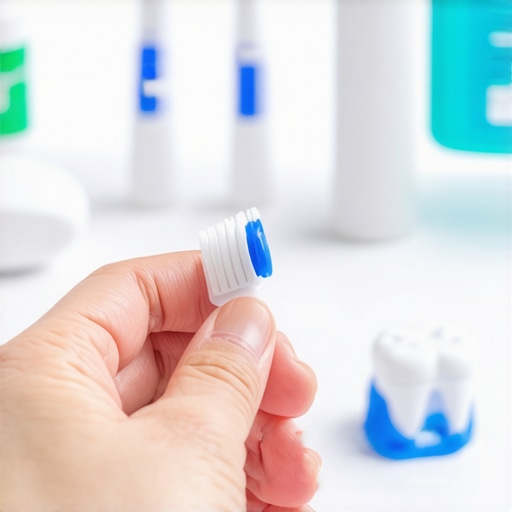
Remember, ongoing maintenance isn’t just about tools; it’s about a proactive mindset. Regularly evaluate your routine and don’t hesitate to seek professional advice to ensure your smile remains healthy and bright. If you’re ready to fine-tune your dental care arsenal or have questions, visit our contact page to schedule a consultation. Investing in the right tools today lays the groundwork for a lifetime of confident smiles.
What I Wish I Knew About Oral Health—The Little Secrets That Make a Difference
One of the most valuable lessons I learned is that consistent, personalized care beats generic routines every time. Early on, I believed that brushing twice and flossing once was enough—until I discovered that tailored strategies significantly improve long-term results. Paying attention to subtle changes in my gums, like slight throbbing after workouts, revealed how lifestyle and habits intertwine with oral health. Recognizing these nuanced signals helped me prevent more serious issues and emphasized the need for ongoing education and adaptation in my routine.
Another insight is that technology, when used thoughtfully, can be a game-changer. Advanced tools like digital imaging and premium electric brushes, combined with professional guidance, empower you to take control. It’s about leveraging these innovations—much like I did with my personalized cleaning regimen—to ensure your smile stays vibrant and healthy over the years. This experience taught me that investing in quality tools and expert advice is a worthier long-term commitment than quick fixes or neglecting early symptoms.
Lastly, embracing a proactive mindset has been transformative. Preventive care isn’t just a buzzword; it’s a lifestyle. Regular check-ups and attention to early signs, such as minor sensitivity or bleeding gums, can save you from pain, expense, and loss down the line. It’s a lesson rooted in the reality that your oral health reflects your overall wellness. The key is awareness and consistent effort—small daily actions that accumulate into a lifetime of confident smiles.
My Must-Have Tools and Resources for Lasting Dental Well-being
Among my most trusted resources is this comprehensive guide, which provides proven strategies for families aiming to maintain healthy smiles. I also depend on my Waterpik Ultra, which ensures deep cleaning, especially in hard-to-reach areas—crucial for preventing gum issues. My electric toothbrush, like the Oral-B Genius X, offers advanced features that support meticulous plaque removal, a cornerstone for long-term health. Lastly, staying informed through trusted dental blogs about emerging trends and technologies helps me adapt and refine my routine continually.
It’s Your Turn to Reclaim Your Smile Power
Remember, the journey towards optimal oral health is ongoing, and every small step counts. By applying personalized care, leveraging technology, and maintaining a proactive attitude, you can enjoy a brighter, healthier smile for years to come. Don’t wait for problems to arise—start today, and watch how your confidence grows with each healthy choice. The future of your smile depends on what you do now, so take that first step with intention and optimism.
What’s one change you’re inspired to implement after reading this? Share your thoughts below—I’d love to hear your story!