
I still remember that moment vividly. I was sitting in my bathroom, gazing at my reflection after a routine teeth cleaning, when I noticed something strange: my front teeth had shifted slightly. At first, I thought it was just my imagination or maybe uneven wear, but as days went by, the movement became more noticeable. It was unsettling—like my smile was betraying me without warning.
Google searches didn’t help much; most articles brushed it off as aging or minor misalignment. But deep down, I knew I needed to dig deeper. That uncomfortable realization led me down a rabbit hole of dental research and personal consultations.
Why Your Wisdom Teeth Might Be the Hidden Culprit Behind Your Shifting Smile
It turns out, that sneaky set of back molars—your wisdom teeth—could be quietly pushing everything out of alignment. When wisdom teeth try to erupt improperly or become impacted, they can exert unnoticed pressure on the surrounding jaw and teeth. Over time, this pressure can lead to crowding, which often shows up as your front teeth drifting forward or sideways.
This phenomenon is not just a theory; studies indicate that wisdom teeth can influence the alignment of other teeth, especially if they’re impacted or misaligned themselves. An expert from the National Institute of Dental and Craniofacial Research highlights how impacted third molars may lead to shifting of adjacent teeth and overall bite changes.
Early on, I made the mistake of ignoring mild discomfort and assuming it was nothing serious. But years later, the consequences crept in—my front teeth gradually started to lean forward, affecting both my smile and bite. Had I addressed my wisdom teeth earlier, perhaps the shifting could have been minimized. This taught me an important lesson: paying attention to your oral health symptoms early can save you from bigger issues down the line.
So, if you’re noticing changes in your smile or bite, don’t dismiss them. It might be time to consult your dentist about whether your wisdom teeth are secretly sabotaging your beautiful smile. Want to know exactly how to determine if this is happening to you and what steps to take? Stay tuned! We’ll explore practical solutions and expert advice in the following sections.
If you’ve experienced similar issues, I’d love to hear your story—share in the comments or schedule a check-up with your dental professional. Remember, understanding the root cause is the first step toward restoring your confident smile.
Assess Your Symptoms Clearly
Start by observing any changes in your bite or smile. Use a mirror to check for teeth that seem out of alignment or spaces that weren’t there before. Remember, early detection is key—wait too long, and the shifting might become harder to correct. I once noticed my lower front teeth crowding after a meal, which prompted me to schedule a dental check-up.
Schedule a Professional Dental Examination
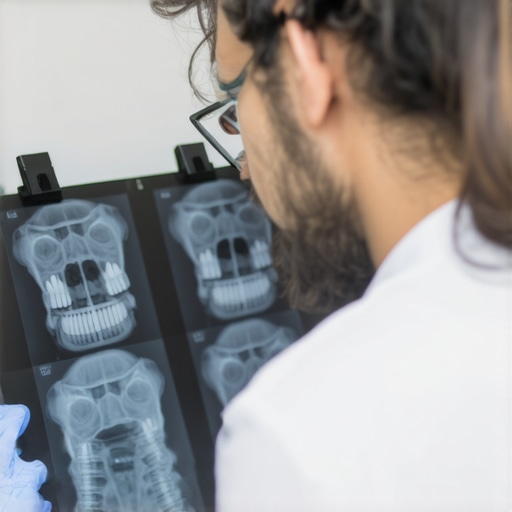
Contact your dentist for a comprehensive assessment. During the visit, expect a thorough oral exam and possibly dental X-rays. This step is crucial to identify impacted or misaligned wisdom teeth that could be exerting pressure. I learned this the hard way—my dentist showed me the impacted wisdom tooth pressing against neighboring molars, explaining the cause of my shifting teeth.
Understand Your Treatment Options
Extraction of Wisdom Teeth
If impacted wisdom teeth are the culprit, extraction is often recommended. Think of it like removing a blocked dam—once gone, the pressure to shift diminishes. Your dentist may suggest surgical removal, especially if the teeth are impacted or cause other issues. I underwent this procedure, which relaxed the pressure and slowed further misalignment.
Orthodontic Correction
After removing problematic wisdom teeth, braces or aligners can reposition misaligned teeth. It’s like guiding a flock of birds back into formation—consistent adjustments over time lead to a perfect alignment. I opted for clear aligners, which gradually straightened my teeth without the discomfort of traditional braces.
Prioritize Preventive Oral Care
Maintaining healthy teeth and gums supports your correction efforts. Regular brushing, flossing, and dental cleanings act like the foundation of a sturdy building—essential for lasting results. Regular dental visits also catch issues early. I found that using a trusted [dental cleaning technique](https://gentlesmiledentist.com/the-ultimate-guide-to-teeth-cleaning-techniques-and-benefits) kept my oral environment optimal, preventing further shifts.
Stay Consistent and Monitor Progress
Follow your dentist’s instructions diligently. Schedule follow-up visits to assess progress. It’s similar to tuning a musical instrument—small adjustments keep everything in harmony. I kept regular appointments, which allowed my dentist to track my teeth’s movement and make necessary tweaks.
Consider Lifestyle and Dietary Habits
Reduce foods that cause plaque buildup or weaken enamel, like sugary snacks or acidic drinks. Think of this as strengthening the wall before fixing the cracks—preventive care reduces the chance of further shifting. I started drinking water more often and avoided hard candies, which helped keep my teeth stable throughout the treatment process.
Explore Cosmetic Options After Stabilization
Once your teeth are stabilized, consider cosmetic dentistry to enhance your smile further. Procedures like veneers or teeth whitening can makeup for past misalignments and discoloration. I chose to consult [cosmetic dentistry experts](https://gentlesmiledentist.com/enhancing-confidence-with-cosmetic-dentistry-what-to-expect) to refine my smile after the correction phase.
 Many people assume that cosmetic dentistry is purely superficial, focusing only on appearances rather than health. However, this misconception overlooks the profound impact that cosmetic procedures can have on oral function and long-term health. For instance, treatments like veneers or bonding not only beautify your smile but can also protect weakened enamel and restore proper bite alignment, ultimately supporting overall oral health. It’s a common myth that cosmetic work involves unnecessary or overly aggressive procedures—nothing could be further from the truth. When performed by qualified professionals, cosmetic dentistry emphasizes preserving as much natural tooth structure as possible and aligning aesthetic improvements with functional integrity. Have you ever fallen into this trap? Let me know in the comments. Furthermore, many believe that cosmetic treatments are only for aesthetics and neglect the maintenance needed afterward. Regular check-ups and proper at-home care are essential to maintain your investment and prevent future issues. Ignoring these aspects can lead to advanced problems like gum disease or bite dysfunction, negating the initial cosmetic benefits. Advanced nuances also involve understanding the latest innovations like digital smile design, which allows for precise simulations before any procedure begins, ensuring patient satisfaction and realistic expectations. This technology exemplifies how cosmetic dentistry now combines artistry with scientific accuracy, a detail often overlooked. For those contemplating these enhancements, it’s crucial to assess not just the immediate visual results but also how procedures integrate with your overall dental health strategy. For a comprehensive overview, consider reading about [transforming your smile through cosmetic dentistry](https://gentlesmiledentist.com/transform-your-smile-the-impact-of-cosmetic-dentistry-in-2025), which discusses modern approaches that prioritize health alongside beauty. Remember, the key is working with skilled practitioners who understand the nuanced balance between aesthetics and function—something frequently misunderstood by newcomers. So, stay informed and question any claims that prioritize appearance at the expense of underlying oral health. Proper knowledge ensures you enjoy a radiant smile that lasts a lifetime.
Invest in Professional-Grade Tools for Consistent Care
To keep your smile functioning beautifully over the years, investing in the right tools is essential. I personally rely on an advanced electric toothbrush, such as the Philips Sonicare DiamondClean, because of its superior plaque removal capabilities and gentle action on gums. Unlike basic manual brushes, this device utilizes high-frequency sonic vibrations to dislodge debris and bacteria embedded deep between teeth and along the gum line, making routine cleaning more effective.
Pairing your electric toothbrush with a smart timer app ensures you brush for the recommended two minutes, covering all zones evenly. I also recommend using a water flosser, like the Waterpik Aquarius, which I find invaluable for reaching areas that traditional floss may miss, particularly around braces or implants. This device uses pressurized water jets to clean beneath the gum line and between teeth, reducing inflammation and preventing periodontal issues.
Leverage Software and Apps to Track and Improve Oral Habits
Modern technology can assist in maintaining your dental routine. Apps such as Brush DJ or Dental Monitoring allow you to track your brushing frequency and technique, providing feedback and reminders. I utilize these tools to maintain accountability, especially during busy weeks. Some apps even send alerts if you neglect certain oral hygiene steps or if it’s time to schedule check-ups, promoting a proactive approach to oral health.
Prioritize Regular Professional Cleanings with Advanced Techniques
Scheduling professional cleanings every six months is pivotal. However, choosing a practice that employs state-of-the-art methods ensures long-term health. For example, laser dentistry, which is often used for gum treatments, minimizes discomfort and accelerates healing. I experienced this firsthand during a recent procedure, and the results reinforced my commitment to regular maintenance. Additionally, newer scanning technologies in dental checkups can detect early signs of decay or gum disease—catching issues before they become costly problems.
How do I maintain these tools and techniques over time?
Proper care of your devices prolongs their effectiveness. Regularly replace brush heads—every three months for electric toothbrushes—and clean water flossers after each use. Keep electronic gadgets charged and store them in dry, cool places. For digital apps, update regularly and review your progress weekly to stay motivated. Incorporating these habits ensures your tools continue to support your oral health journey, making maintenance easier and more consistent.
Looking ahead, I believe that integration between smart home health devices and dental technology will only deepen, providing real-time feedback and personalized recommendations. As trends shift toward personalized care, adopting these tools now puts you ahead of the curve. For an in-depth look at how innovative techniques are transforming preventive dentistry, check out this comprehensive guide.
Don’t hesitate—try using a water flosser combined with an app to monitor your habits this week. Small changes can yield significant long-term benefits for your smile’s longevity and health.
The Surprising Lessons That Changed My Cocky Approach to Smile Care
- I realized that my biggest mistake was ignoring early signs of misalignment, thinking they would resolve on their own, which led to more complicated and costly corrections later on.
- Understanding that the health of my wisdom teeth directly influenced my overall dental stability was a game-changer, emphasizing the importance of proactive dental assessments over a reactive approach.
- Investing in advanced tools and consistent follow-ups not only maintained my smile’s beauty but also prevented potential health issues, proving that technology and diligence pay off long-term.
My Personal Arsenal for Radiant, Healthy Teeth
From professional-grade electric toothbrushes like the Philips Sonicare to smart apps that monitor my daily habits, my toolkit is curated for efficiency and peace of mind. I also swear by laser dental treatments for quick healing and minimal discomfort. These trusted resources have transformed my approach and can do the same for anyone committed to lifelong oral wellness.
You Hold the Power to Brighten Your Future
Remember, each step you take towards better oral health is an investment in your confidence and happiness. Small consistent habits build a radiant smile that endures beyond appearances. So, what’s the first change you’ll make today to embrace a healthier, more stunning smile? Share your thoughts below and start your journey now!