
It was a typical Tuesday evening, and I found myself pleading with my six-year-old to brush his teeth just one more time. The familiar battle—him smearing toothpaste everywhere, whining about how boring it is, and me questioning if this nightly routine would ever become something he looked forward to. That moment hit me hard. It was a realization that many parents know all too well: convincing our children to brush can feel like an uphill climb every single night.
But what if I told you there’s a simple, five-minute trick that transformed our chaotic nightly routine into a bonding moment filled with giggles and cooperation? Yes, just five minutes. I was skeptical at first too, but over time, I discovered that turning teeth brushing into an engaging, fun activity made all the difference. And now, I want to share this proven approach with you, so your child might start looking forward to their nightly clean.
Why Most Kids Just Don’t Get Excited About Brushing—and How to Fix It
Set the Stage for Fun
Before beginning, create an inviting environment that turns brushing into a game. Use a colorful toothbrush featuring your child’s favorite character, and play upbeat music to set a lively mood. I remember the first time I introduced a timer with a playful tune; my son giggled as he tried to beat the clock, making brushing feel like a race rather than a chore.
Use a Visual and Tactile Approach
Demonstrate proper technique by showing your child how to brush in gentle circles, covering all surfaces of each tooth. Encourage them to mimic your movements, making it interactive. I’ve found that using a small mirror helps children see what they’re doing, and explaining that toothbrush bristles are like tiny workers cleaning away sugar and plaque makes the process more tangible.
Incorporate Storytelling and Motivation
Turn brushing into a story—perhaps imagining the toothbrush as a superhero fighting off villains like cavities and tartar. During one session, I narrated an adventure where my son’s toothbrush saved the day, which kept him engaged and eager to brush each night. This method reinforces the importance of oral health while making the activity enjoyable.
Implement a Consistent Routine
Consistency is key. Establish a set time each evening for brushing, such as immediately after dinner or before bedtime, to build a habit. I found that sticking to a routine, combined with the fun elements, gradually turned resistance into cooperation. For further tips on maintaining a healthy family routine, check out our guide on top secrets for family oral health.
Keep It Short and Sweet
Limit brushing sessions to about two minutes—long enough to clean thoroughly but short enough to hold a child’s attention. Using a sand timer or a smartphone app can visually indicate how much time is left, adding an element of challenge. I once set a two-minute countdown, and my son proudly declared he was a “tooth-cleaning champion” at the end.
Reward Progress and Celebrate Success
Positive reinforcement encourages ongoing cooperation. Praise your child for brushing well or offer a small reward, like stickers or an extra story at bedtime. Remember, building these habits early sets the foundation for lifelong oral health. Sometimes, I simply high-five my son after a good brush, which boosts his confidence and enthusiasm.
Leverage Educational Tools
Use engaging books, videos, or apps designed to teach kids about dental health. Watching a short animated video about cavity monsters or reading a colorful story about brave teeth can spark interest. I recommend exploring resources like oral health myths to understand common misconceptions and share accurate information with your child.
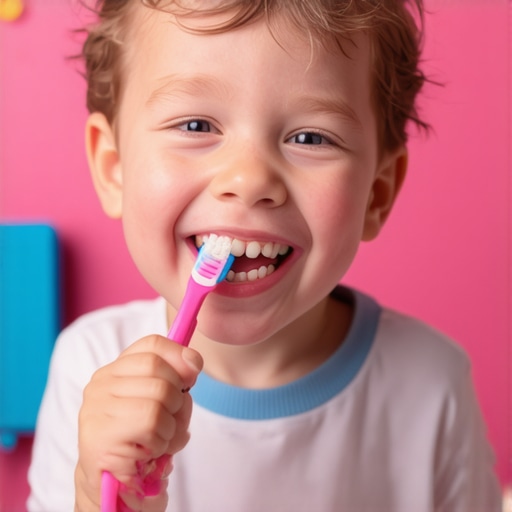
Remember, applying these steps consistently can transform brushing from a nightly battle into a bonding adventure that promotes a healthy, cavity-free smile for life.
Many misconceptions persist in family dentistry, often leading patients astray despite their good intentions. One common myth is that “professional cleanings aren’t necessary if you brush and floss daily.” In reality, studies like the one published in the Journal of Dental Research highlight that even diligent home care can’t replace the plaque removal and preventive benefits of regular dental visits. Missing these appointments can result in overlooked cavities or early gum disease signs, which are much easier to treat when caught early.
Another inaccurate belief is that whitening treatments damage enamel permanently. While overuse or improper application can harm teeth, the latest advancements in cosmetic dentistry, such as contouring veneers and safer bleaching techniques, offer effective solutions with minimal risk when performed by experienced professionals. Check out the article on contouring veneers to see what’s possible.
Many people don’t realize the nuance involved in oral health—specifically, the importance of personalized care plans. For instance, someone with sensitive gums might think routine cleanings are too aggressive, but gentle, specialized techniques exist that prevent recession without compromising cleanliness. For those with concerns, learning about gentle cleaning practices might change your perspective.
A critical nuance is understanding that cosmetic procedures like veneers or whitening aren’t just about aesthetics—they can also protect your teeth. Thin porcelain veneers, for example, strengthen enamel and prevent further staining, which is a benefit many overlook during consultations.
Make sure you’re not falling for oversimplified views that neglect these details. For example, some assume that at-home whitening kits are equally effective, but they often fail to address deep-set stains or underlying enamel health. Visiting a professional ensures comprehensive care, as discussed in teeth cleaning techniques.
Something many overlook is the potential for advanced technology, like laser dentistry, to enhance treatment outcomes. Laser procedures can minimize discomfort, reduce healing time, and offer precise results, which are compelling reasons to consider modern options. Explore how innovations in cosmetic dentistry are shaping the future at teeth cleaning in 2025.
Have you ever fallen into this trap? Let me know in the comments. Recognizing these nuances can truly elevate your dental health strategy from basic to optimal, ensuring your family enjoys vibrant, healthy smiles for years to come.Maintaining optimal oral health over the years hinges on the right tools and consistent practices. As a family dentist, I emphasize not just the importance of quality equipment but also how to integrate it into your routine effectively. One game-changer I’ve adopted personally is the use of ultrasonic toothbrushes equipped with advanced sonic technology. Unlike regular manual brushes, these devices generate over 30,000 strokes per minute, providing a thorough clean that reduces plaque buildup significantly. I personally recommend the Oral-B Genius X, which syncs with a smartphone app to track brushing habits and ensure you reach the two-minute mark each session. This integration helps foster accountability and awareness, especially crucial for children and busy families.
Another vital tool is professional-grade water flossers like the Waterpik Cordless Plus. In my practice, I’ve seen improved gum health in patients who switch from traditional flossing to water flossers, especially those with braces or sensitive gums. Regular use helps remove food debris and plaque from hard-to-reach areas, preventing long-term issues like gingivitis or periodontal disease.
When it comes to long-term results, I always advocate for digital tracking of oral health metrics. Software like DentalMonitoring is revolutionizing patient outcomes by allowing remote check-ins and continuous monitoring of dental progress. Through high-resolution images sent via a secure app, I can identify early signs of decay or gum issues without frequent in-office visits, customizing care plans more effectively.
Looking into the future, I predict that AI-powered diagnostic tools and personalized oral health devices will become mainstream. These innovations will tailor preventive strategies to individual genetic and behavioral factors, making dental care more proactive rather than reactive.
**How do I maintain dental tools and ensure their effectiveness over time?** Regular cleaning and timely replacement are essential. For instance, replace toothbrush heads every three months or sooner if bristles fray, and clean water flosser tips weekly with antibacterial solutions. Proper storage in a dry, hygienic place prevents bacterial growth and preserves their functionality. Additionally, keep software updates for digital devices current to benefit from the latest features and security enhancements.
Remember, investing in quality tools paired with consistent, informed practices can dramatically extend the lifespan of your dental health. For more insights into maintaining long-term oral health, visit our guide on preventive tips for families. Don’t hesitate to try out a sonic toothbrush or a water flosser—these are proven methods to keep your smile vibrant for years to come. For personalized advice, reach out through our contact page.
Lessons I Couldn’t Learn in Textbooks
One of the most profound lessons I discovered is that consistency beats perfection. Even the best brushing technique won’t matter if it’s not performed daily. Skipping routine checkups can seem harmless, but I’ve seen small issues escalate into costly problems, emphasizing the importance of regular visits. Moreover, understanding the nuances of cosmetic dentistry revealed that treatments like veneers not only enhance appearance but also protect natural teeth, a fact many overlook. These insights reshaped my approach, showing that personalized care and patience are crucial for lasting results.
Tools and Resources That Changed My Practice
Investing in digital tools like high-resolution intraoral cameras provides clarity during examinations and builds trust with patients. Books such as “Smile Bright Future” offer the latest insights into cosmetic procedures and help me stay ahead of trends. Trusted platforms like Family Dentistry Insights keep me informed about emerging innovations, ensuring I offer the best advice. Additionally, attending conferences about laser dentistry has demonstrated how technology can make treatments more comfortable and efficient, benefiting both practice and patient.
The Drive to Make a Difference
Your smile isn’t just about looks—it’s about confidence and health. By sharing these lessons and tools, I hope to inspire you to prioritize regular maintenance, explore cosmetic options thoughtfully, and embrace technological advancements. Remember, your journey towards a brighter, healthier smile starts with small, consistent steps. Don’t wait for problems to arise; start now and enjoy the confidence that comes with a well-cared-for family smile.