
Have you ever looked in the mirror after a teeth whitening session and felt an emptiness—like your smile was just a shade too dull, even after promises of radiant results? I remember the lightbulb moment when I realized I was throwing money at over-the-counter whitening strips that barely made a dent, only to see my teeth’s natural shade remaining stubbornly intact. It’s frustrating, isn’t it? And honestly, I didn’t understand the real differences between in-office treatments and at-home kits until I dug a little deeper. My experience taught me that there’s more to a bright smile than just brighter products on pharmacy shelves.
Why Choosing the Right Whitening Approach Matters
Understanding the nuances between professional in-office whitening and at-home kits isn’t just about cost or convenience—it’s about safety, effectiveness, and long-term results. Many folks, myself included, make the mistake of assuming all whitening methods deliver similar outcomes. But here’s the thing: the method you pick directly impacts not just your smile, but the health of your teeth and gums as well. Did you know that overuse of some over-the-counter whitening products can actually harm your enamel? According to recent research, enamel erosion from improper whitening can lead to increased sensitivity and even cavities in the long run. So, making an informed decision isn’t just a matter of vanity; it’s about protecting your oral health.
Is All the Hype About Whitening Kits Actually Worth It?
I admit, I was skeptical at first. I thought, “How different can it really be?” I tried a few at-home kits and was disappointed to see only slight improvements. Early on, I made the mistake of relying solely on these products without consulting my dentist, which isn’t advisable. Professionals have tools and techniques that can achieve faster, safer results—something I learned the hard way. For a more comprehensive understanding, you might consider exploring some of the latest cosmetic dentistry innovations that combine science and artistry to give you that perfect smile. So, if you’ve faced similar doubts or disappointments, you’re not alone. The key is knowing what options truly work and what’s best for your unique needs.
Prepare Your Teeth and Environment
Start with a thorough cleaning to remove plaque and tartar, ensuring whitening agents work effectively. I once noticed my whitening gel didn’t stick properly because I skipped my regular cleaning, leading to uneven results. Use a soft-bristled toothbrush and gentle fluoride toothpaste for a couple of days prior. Create a calm, well-lit space, avoiding distractions, so you can focus on precise application. Remember, a clean canvas yields the best glow.
Select the Right Whitening Method
Research Professional vs. Over-the-Counter Options
Consult a dentist to determine your teeth’s current condition. I made the mistake of buying over-the-counter strips without advice, which caused sensitivity. Professional treatments, like those highlighted in this comprehensive guide, use higher peroxide concentrations safely. Decide based on your desired outcome, budget, and patience for results. For instance, I opted for an in-office session after reading reviews and expert insights.
Apply Whitening Agents with Precision
Follow instructions meticulously. When I attempted a DIY kit, I used too much gel, leading to gum irritation. Use the provided applicator carefully, ensuring gel only contacts teeth. For trays or gels, tilt your head slightly forward to prevent overflow and avoid swallowing excess. This reduces the risk of swallowing the gel and minimizes mess. Consistent, careful application maximizes effectiveness and minimizes side effects.
Enhance and Protect Your Smile
Post-whitening care is crucial. I learned that avoiding dark foods and drinks like coffee or red wine for at least 48 hours preserves the new shade. Use a straw for beverages and rinse your mouth after eating staining foods. Incorporate desensitizing toothpaste into your routine if sensitivity occurs, as advised in this resource. Regular professional cleanings, like those described in this article, also help maintain your brightness over time.
Consider Final Enhancements
If you’re aiming for a truly radiant smile, cosmetic procedures like veneers or contouring might be the next step. I explored options in this guide and discovered how minor adjustments can boost confidence. Combining whitening with these techniques results in a personalized, stunning smile that reflects your personality.
<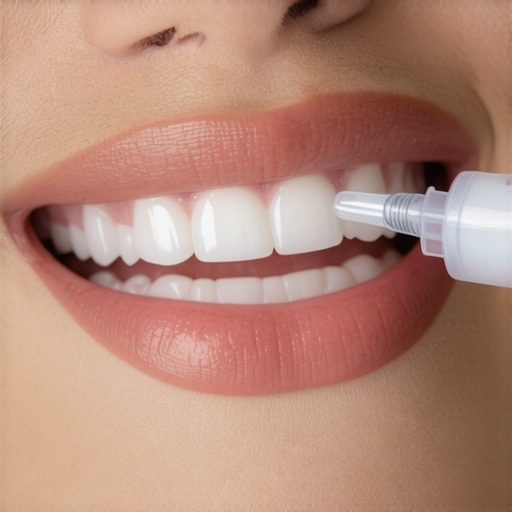 >Even with all the advice on brushing twice daily and flossing regularly, many individuals still struggle with persistent dental issues or believe they understand oral health inside out. This overconfidence often causes overlooked nuances that can significantly impact long-term dental well-being. For example, a common misconception is that hard brushes or aggressive scrubbing clean teeth better; in reality, this can damage enamel and gums, leading to sensitivities or recession. Recognizing such pitfalls comes with experience, and understanding the subtle differences in techniques can make a world of difference.
One advanced mistake many fall into is neglecting the importance of interdental cleaning tools like water flossers or interdental brushes, which can reach areas traditional floss might miss. Scientific studies, such as the one published in the “Journal of Clinical Periodontology,” highlight that these tools are often more effective at reducing plaque buildup in tight spaces, especially for those with braces or implants. Therefore, integrating these devices into your routine—beyond just flossing—can substantially improve oral health.
A further nuance involves family dentistry approaches. While many assume their habitual routine suffices, personalized care tailored to age, health conditions, and lifestyle factors greatly impacts effectiveness. Regular check-ups and professional cleanings can uncover hidden issues like early gum disease or enamel erosion that at-home care might overlook. Learning to identify signs of early oral health decline can save money and prevent more invasive treatments later.
When it comes to cosmetic dentistry, misconceptions abound about the longevity and safety of procedures like veneers or whitening treatments. Not all options are suitable for everyone, especially individuals with enamel erosion or sensitivity. Overusing whitening products without professional guidance can strip enamel, making teeth more vulnerable. As highlighted in “this comprehensive guide” to cosmetic dentistry innovations, a tailored approach optimizes results and safeguards health.
Finally, understanding the subtly interconnected aspects of oral health can help prevent misconceptions from spiraling into costly mistakes. For instance, neglecting tongue cleaning or ignoring signs of dry mouth can indirectly lead to decay or bad breath. Regularly reviewing and updating your oral care routine with insights from trusted sources boosts both confidence and effectiveness.
Have you ever fallen into this trap of misconceptions or overlooked a crucial nuance? Let me know in the comments. Remember, a bit of expert insight and careful attention to detail can drastically improve your smile and health—so stay curious and proactive!
Maintaining optimal oral health and a bright smile requires more than just good habits; it demands the right tools and consistent routines. Over the years, I’ve refined my approach, identifying specific equipment and methodologies that genuinely make a difference. For instance, I personally swear by using a sonic toothbrush like the Oral-B Genius X. Its oscillating-rotating technology provides a deeper clean, especially in hard-to-reach areas, which manual brushing often misses. Additionally, I incorporate interdental brushes such as the GUM Proxabrush for cleaning between teeth, particularly in tight spots or around implants, which regular floss can sometimes overlook.
When it comes to professional-grade cleaning, I recommend regular visits for professional cleanings. These sessions utilize ultrasonic scalers that effectively remove plaque and tartar, preventing long-term issues. To complement this, I use a water flosser like the Waterpik Aquarius. Its pulsating water stream not only cleans effectively but also boosts gum health, as supported by scientific studies.
On the technological front, I invested in an at-home whitening device—the GLO Science Pink system—for safe and consistent touch-ups. It’s a game-changer because it combines LED light with whitening gel, providing professional-like results without frequent visits. According to this resource, such devices can significantly enhance results when used properly.
How do I maintain my dental tools and routines over time?
Proper maintenance of your equipment is crucial. Regularly clean your toothbrush with hot water and store it in an upright position to prevent bacterial buildup. Replace manual toothbrushes every three months or sooner if bristles fray. Water flossers and interdental brushes should be rinsed thoroughly after each use and replaced periodically—typically every six months. Also, stay updated with the latest innovations like cutting-edge cosmetic dentistry tools, which often offer more efficient cleaning options, prolonging the health of your teeth and gums.
Looking ahead, trends like AI-powered toothbrushes and smart dental monitors promise even greater personalized oral care. Imagine devices that track your brushing patterns, alert you to missed spots, or recommend adjustments in real-time. Embracing these innovations now can set a foundation for a lifetime of healthy, beautiful smiles.
If you’re ready to upgrade your routine, I recommend trying an advanced power toothbrush with Bluetooth connectivity and real-time feedback. These tools help you achieve and maintain optimal oral hygiene by making daily care more effective and engaging.
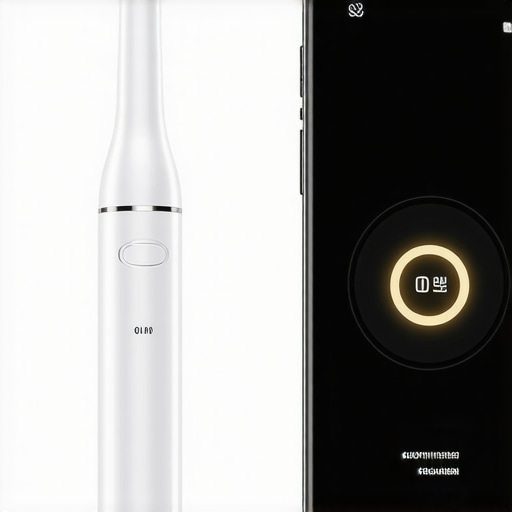
Imagine a sleek, modern electric toothbrush with intuitive controls and built-in sensors—an essential tool for maintaining your smile’s longevity.
What I Wish I Knew About Oral Care: My Personal Truths
One of the most surprising lessons I learned was that consistency beats intensity. Regular, gentle cleanings and routine check-ups over occasional aggressive brushing helped me preserve my enamel and gums better. I also realized that not all whitening products are created equal; professional treatments not only brighten but also protect your tooth structure. The importance of personalized care became clear when my dentist tailored a routine that addressed my specific needs, unlike generic advice found online.
The Tools That Changed My Smile Journey
My go-to toolkit now includes a sonic toothbrush like the Oral-B Genius X for its deep cleaning power, interdental brushes such as the GUM Proxabrush for tight spaces, and a water flosser like the Waterpik Aquarius that genuinely improves gum health. These tools, combined with regular professional cleanings, keep my smile radiant and healthy.
Embrace the Power of Proactive Oral Care
Taking charge of your oral health is empowering. Daily habits like using a tongue scraper to eliminate bacteria, maintaining a balanced diet, and avoiding sugary snacks make a tangible difference. Don’t wait for problems to appear—consult your dentist about innovative solutions like cosmetic dentistry advancements that can enhance your confidence. Remember, a proactive attitude today safeguards your smile for tomorrow.
Make Yourself Smile: Your Turn to Shine
Now that you’ve uncovered some of my insider secrets, it’s your turn to take action. Whether you’re considering professional whitening, upgrading your tools, or simply refining your daily routine, every small step counts toward a healthier, more attractive smile. Don’t be afraid to experiment and find what works best for you. Your radiant smile is within reach—start your journey today!
What’s the one oral health tip you wish you knew sooner? Share your experience below—I’d love to hear your story!