
I can still remember the morning when I caught a glimpse of my smile in the mirror and noticed something was off—a gap where a tooth used to be. It wasn’t a sudden shock, but a slow realization that I’d let it go for too long. The initial thought was, “It’s just a missing tooth. No big deal.” But as days turned into weeks, I noticed more than just the appearance—I felt the subtle differences in how I chewed, the way my jaw ached, and even how my confidence took a hit. That small omission began to ripple outward, affecting my oral health and, ultimately, my well-being. It was then I understood that ignoring a missing tooth isn’t a benign choice; it comes with a hidden price.
Why Putting Off Replacing a Missing Tooth Can Cost You More Than You Expect
When I first lost that tooth, I thought I could get away with ignoring it. After all, who notices a tiny gap? But over time, I learned that leaving it unaddressed can lead to a cascade of problems—from shifting teeth and bite issues to jaw pain and even bone loss. Missing teeth aren’t just a cosmetic concern; they influence your entire oral ecosystem. Every time I skipped getting it fixed, I unknowingly invited complications that became more expensive and invasive to treat later on. It’s a common mistake—believing that a missing tooth isn’t urgent. Early replacement options, like dental implants or bridges, can prevent these problems and save you from major discomfort and costs down the line.
Have You Ever Faced This Frustration?
If you’ve ever hesitated to replace a lost tooth, I want you to think about this: what’s been holding you back? Was it the expense, the fear of dental procedures, or just the assumption that it’s not a big deal? Trust me, I’ve been there. I made the mistake of procrastinating early on, and looking back, I wish I’d acted sooner. A small delay can turn into a big regret—sooner than you think. Fortunately, understanding the dangers of waiting can empower you to make better decisions. You might find it helpful to read more about common oral health misconceptions that contribute to these delays; for example, check out this article on oral health myths.
In the next sections, I’ll share essential insights and practical steps on how to avoid these costly pitfalls. Because trust me, the earlier you address a missing tooth, the better your chances of maintaining a healthy, confident smile for years to come.
Schedule an Immediate Dental Consultation
Once you notice a missing tooth, the first step is to book an appointment with your dentist promptly. During the visit, they’ll assess the gap, check for underlying issues, and discuss suitable replacement options like dental implants or bridges. I remember calling my dentist’s office the very next day after realizing my tooth was gone, and the relief I felt when they prioritized my case for an early appointment empowered me to tackle the problem head-on.
Understand Your Replacement Options and Choose Wisely
Different tooth replacement techniques serve various needs. Dental implants are durable and mimic natural teeth, but they require a surgical procedure and adequate bone density. Bridges, on the other hand, can be quicker but may involve filing adjacent teeth. I once opted for a bridge because of time constraints and was pleasantly surprised at how seamlessly it restored my bite. Familiarize yourself with the pros and cons of each method by consulting resources like this article on cosmetic dentistry.
Prepare for the Procedure and Maintain Realistic Expectations
Before your scheduled treatment, discuss anesthesia options, recovery process, and costs with your dentist. Proper preparation minimizes anxiety and ensures smooth progress. For my procedure, I followed pre-op instructions carefully—avoiding certain foods and medications—and this made the recovery smoother. Being well-prepared also involves arranging transportation and post-op care at home, like soft foods and pain management supplies.
Follow Post-Procedure Care Routines Meticulously
After the placement of your new tooth, diligent care is crucial. Maintain excellent oral hygiene—brushing gently around the area, flossing carefully, and using prescribed mouthwashes. I learned that neglecting my post-op instructions led to minor swelling and delayed healing, so I committed to strict aftercare, including gentle cleaning and avoiding hard foods for a few days.
Schedule Regular Follow-Ups to Ensure Longevity
Routine check-ups and professional cleanings keep your replacement tooth in optimal condition. During these visits, your dentist can monitor the integration of implants or the integrity of bridges, addressing issues early. I made it a habit to visit my dentist every six months, which helped catch and resolve minor issues before they escalated, preserving my restored smile for years.
Integrate Family Dental Care into Your Routine
Enlisting the whole family’s participation in regular dental routines prevents future problems. Using expert-approved tips like those found here can make oral health maintenance easier for everyone, especially children. I started involving my kids in brushing and flossing routines early, which set the foundation for their long-term dental health and made appointments smoother for us all.
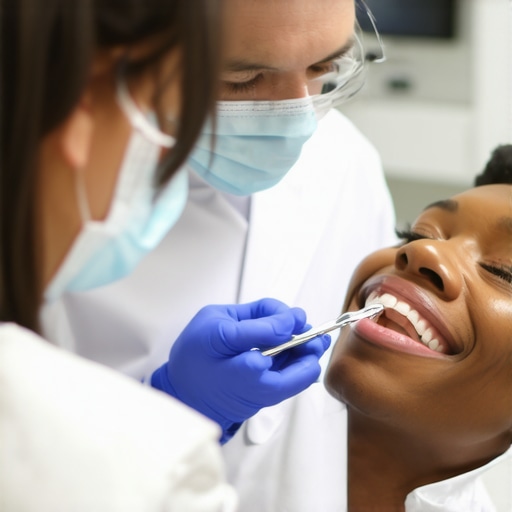
Many believe that brushing twice daily and occasional flossing are enough for optimal oral health, but the reality is far more nuanced. One common myth is that using whitening toothpaste significantly boosts whitening results, yet expert sources indicate that most over-the-counter products only remove surface stains and don’t alter natural tooth color permanently. In fact, aggressive brushing with such pastes can wear down enamel if not used carefully. Additionally, some assume that frequent professional cleanings are unnecessary if they brush often; however, evidence shows that plaque and tartar buildup can hide in areas even diligent brushers miss, making regular dental visits critical.
For those exploring cosmetic dentistry, there’s a widespread misconception that veneers or whitening are purely superficial fixes. However, advanced procedures like contouring or bonding can subtly reshape or enhance teeth while preserving natural tooth structure, provided they’re executed by experienced dentists. Rushing into drastic cosmetic changes without understanding the nuances can lead to overuse or misapplication, which may result in unnatural-looking results or compromised tooth health.
Within family dentistry, many underestimate the importance of early intervention and preventive measures. A prevalent mistake is waiting until dental problems become painful before seeking help. Early signs of gum disease or decay are often subtle, and neglecting these cues can turn minor issues into complex, costly treatments. By integrating expert-backed preventative strategies—like sealants or fluoride applications—families can safeguard their children’s oral health far better. Want to learn more? Check out this guide on family dental tips.
Are You Overlooking the Hidden Signs of Oral Problems?
This is a crucial question for both routine and advanced care. Many people miss early indicators such as slight bleeding, persistent sensitivity, or unusual taste, which may signal deeper issues like gum disease or decay. Modern research emphasizes that a comprehensive understanding of these subtle cues enables personalized, effective treatment plans—helping avoid costly and invasive procedures later. For instance, studies reveal that periodontal health is directly linked to overall systemic health, influencing conditions like diabetes and heart disease. Staying vigilant and consulting experts can make a significant difference. Want to go beyond the basics? Explore this resource on oral health myths for deeper insights.
Remember, mastering the nuances of oral care involves not just routine habits but also understanding the complexities behind them. Have you ever fallen into this trap? Let me know in the comments.
Maintaining excellent oral health over the years requires more than just regular brushing and flossing. It demands the right tools and disciplined routines to ensure that your teeth and gums stay in top condition. As someone deeply invested in cosmetic and family dentistry, I’ve honed my approach to include specific equipment and methods that deliver long-term results.
Invest in an Electric Toothbrush with Pressure Sensors
Personally, I recommend a high-quality electric toothbrush equipped with pressure sensors, like the Oral-B Genius X. These devices not only provide more consistent cleaning but also alert you when you’re brushing too hard, protecting your enamel and gums from unnecessary wear. Over time, using a gentle, precise brush minimizes recession and sensitivity. The market is shifting towards smart brushes that connect to apps, offering real-time feedback and personalized tips, which helps me stay disciplined even when busy.
Use a Water Flosser to Reach Hidden Areas
Traditional flossing can be challenging, especially for patients with braces or limited dexterity. That’s why I regularly incorporate water flossers, such as the Waterpik Aquarius, into my routine. They effectively dislodge food particles and plaque from hard-to-reach areas, reducing the risk of decay and gum disease. I make it a point to use mine after every meal, which research confirms is crucial for sustained oral health—especially in those prone to periodontal issues. Incorporating a water flosser significantly extends the lifespan of dental work and prevents long-term complications.
Prioritize Regular Professional Cleanings with Modern Techniques
While at-home care is vital, professional cleanings are irreplaceable. Today’s dental practices utilize laser technology for more effective plaque removal and gum therapy, making cleanings less invasive and more comfortable. I schedule biannual visits and advocate for ultrasonic scalers with PIEZON technology, which have proven to reduce healing time. Staying consistent with these appointments prevents calculus buildup, stabilizes periodontal health, and maintains your smile’s aesthetics.
How do I maintain my dental tools and routines over time?
Proper maintenance is key for lasting effectiveness. I clean my electric toothbrush head weekly with hot water and replace it every three months, following manufacturer recommendations. My water flosser undergoes regular descaling using vinegar to prevent mineral deposits. Additionally, I keep a journal of my routines to track progress and adjust as needed, especially when trying new techniques like flossing with a water pick or using whitening gels. Digital reminders ensure I don’t skip these essential steps, thereby extending their benefits.
Looking ahead, the future of dental maintenance seems promising, with innovations like AI-driven toothbrushes and at-home laser cleaning devices. Staying informed about these trends enables proactive care, which fundamentally is about preventing issues before they escalate. For example, studies show that early intervention with modern tools can reduce the need for invasive procedures and preserve natural tooth structure longer. I encourage you to try integrating a smart toothbrush or water flosser into your routine today and experience the difference firsthand.
If you’re eager to take your dental maintenance to the next level, I recommend starting with a high-tech electric toothbrush with pressure sensors. Not only does it protect your enamel from damage, but it also ensures you’re cleaning effectively. Regularly updating and maintaining your tools, combined with professional care, guarantees a healthy, confident smile for years to come.
Lessons Behind the Smile You Didn’t Expect
One of my most profound insights came from realizing that consistent daily habits trump occasional efforts when it comes to oral health. I once thought that brushing twice a day was enough, but I learned the hard way that integrating advanced tools like a water flosser and an electric toothbrush really moved the needle. Another lightbulb moment was understanding that many so-called quick fixes, like whitening strips, might do more harm than good if misused. These lessons taught me that informed choices, backed by trusted resources such as this article on oral health myths, can save you from future regrets. Lastly, I discovered that preventive care, including regular family dental checkups, is a gift you give to your future self—saving money, discomfort, and maintaining confidence over time.
Tools That Transformed My Dental Routine
Over the years, I’ve curated a personal toolkit that truly elevates my dental care. An electric toothbrush with pressure sensors like the Oral-B Genius X warns me when I’m brushing too aggressively, which protects my enamel. I also rely on a Waterpik Aquarius for deep cleaning—especially around braces and bridges—making daily flossing more effective and less frustrating. To stay ahead, I turn to resources such as this trusted guide on oral health maintenance. Additionally, I follow the latest in cosmetic dentistry innovations through this up-to-date resource on smile enhancements, inspiring me to keep my smile not only healthy but also stunning.
Choose to Shine: Your Path to Lasting Dental Confidence
Remember, your journey towards optimal oral health is uniquely yours, and every small step counts. Investing in quality tools, staying informed through credible sources, and committing to regular professional visits create a cycle of self-care that pays dividends far beyond aesthetics. As you consider your next step, envision a future where your smile radiates health and happiness. Don’t wait for a problem to remind you—start today by scheduling that dental checkup or trying out new cleaning strategies that suit your lifestyle. Your confident smile awaits, and every effort you make now will reward you for years to come.
What’s Your Next Move in Oral Care?
Have you ever overlooked a subtle sign of oral health trouble because you thought it wasn’t serious? Share your experiences below, and let’s build a community committed to brighter, healthier smiles.