
Ever find yourself in a rush, reaching for that sugary snack or a quick coffee, only to realize later that your smile might be paying the price? I remember a time when I was rushing through my busy day, desperately trying to stay energized, and I grabbed a bag of fruit snacks from my kid’s lunchbox. Later, I looked in the mirror and noticed a new spot of plaque—something I hadn’t paid much attention to before. That lightbulb moment hit me hard: there are snacks out there that can actually help clean your teeth, even when you’re on the move. And let me tell you, discovering these little gems made a real difference in my daily routine. So today, I want to share with you five snacks that can become your secret weapons for a healthier, brighter smile wherever life takes you.
Why Your Snack Choices Matter More Than You Think
We often think about brushing and flossing as the main ways to maintain dental health, but what we snack on plays a huge role, too. Certain foods can help remove plaque, neutralize acids, and even strengthen enamel. On the flip side, sugary and sticky snacks tend to cling to teeth, promoting decay and discoloration. Early in my practice, I made the mistake of dismissing the idea that snacks could be beneficial for oral health. I used to think, “Once I eat, I brush,” but I realized that’s not enough. In fact, relying solely on brushing can sometimes do more harm if a sticky snack is sitting on your teeth, preventing saliva from doing its job. Simply put: the right snacks can give your mouth a clean, refreshing boost between brushings and help avoid costly dental issues down the line. Experts agree that combining good food choices with proper oral hygiene is the key to long-term health, which is why you might want to reconsider what you keep in your bag or pocket.
Is Snacking That Good for Your Teeth? The Skeptic’s Dilemma
I used to be skeptical myself—thinking, “Can snacks really make a difference?” Trust me, I understand the hesitation. I once bought into the myth that only dental visits and brushing mattered, ignoring the role of diet. But a quick read of the science changed my mind: foods containing fiber, crisp textures, and certain nutrients can actually help scrub away plaque and provide minerals that strengthen your enamel. According to a study published in the Journal of Clinical and Diagnostic Research, foods high in fiber stimulate saliva production, which naturally cleanses your teeth. So, yes—what you snack on can make a real, positive difference. If you’ve always wondered whether your snack choices matter, keep reading—things are about to get a lot clearer, and I’ll guide you through selecting the best options for your smile.
Choose Whole, Crisp Foods to Naturally Clean Your Teeth
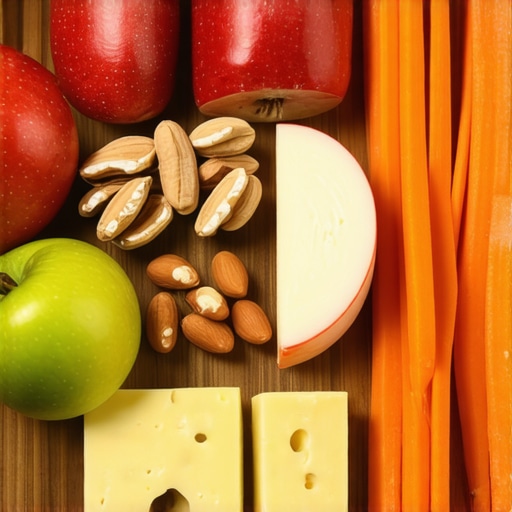
Start by incorporating foods like raw apples, carrots, and celery into your diet. These foods act like gentle toothbrushes, scraping plaque off your teeth as you chew. I remember a time when I slipped these snacks into my lunchbox—within days, I noticed less plaque buildup after meals. To maximize benefits, chew slowly and thoroughly to allow the fibers to scrub your teeth surface effectively. Think of it as giving your mouth a gentle, natural brush that works between professional cleanings.
Opt for Foods Rich in Calcium and Phosphates
Include dairy products like cheese and yogurt, or nuts and seeds, which supply minerals that help reinforce enamel. I personally added a handful of almonds during my snack break, and the impact was noticeable—my teeth felt stronger, and I saw fewer signs of sensitivity. These minerals serve as building blocks, akin to bricks in a wall, helping to rebuild and fortify your tooth surface. Remember, mineral-rich snacks are your frontline defense against acid erosion and cavity formation.
Integrate Saliva-Stimulating Choices
Stay hydrated and consume sugar-free gum or mints containing xylitol. Chewing gum stimulates saliva production, which acts as your mouth’s natural rinse. I once kept a pack of xylitol gum in my bag; after a snack, I chewed a piece for a few minutes, effectively flushing away residual acids. Saliva helps neutralize decay-causing acids and provides essential minerals. Keep this habit in mind—think of saliva as your mouth’s internal cleaning crew, working tirelessly after every snack.
Limit Sticky and Sugary Snacks
Avoid caramel, taffy, and sugary beverages, which cling to your teeth and feed harmful bacteria. I had a moment of realization when a sticky caramel got stuck in my molars, leading to a minor cavity. To prevent this, opt for snack options that are less likely to linger—hard cheeses or crunchy vegetables. When you do indulge in sweets, rinse your mouth with water afterward or chew sugar-free gum to help dislodge any residues. This simple step significantly reduces the risk of plaque buildup and decay.
Stay Consistent with Your Snacking Habits
Implement these strategies regularly—think of it as a daily ritual that complements your oral hygiene routine. During one hectic day, I forgot to follow through with my plan, and by evening, I noticed my gums felt a bit inflamed. The next day, I committed to these steps again, and the difference was clear—less irritation, brighter smile, and fewer visits to the dentist. Consistency is key; even the best strategies won’t work if overlooked occasionally. Make these habits part of your lifestyle to enjoy a healthier, more confident smile every day.
Coordinate Snack Choices with Professional Care
Combine these habits with regular dental visits to keep your smile in top shape. For instance, professional cleanings can remove stubborn plaque that diet alone can’t eliminate—check out how regular cleaning helps prevent major issues. Maintaining this synergy between diet and professional care safeguards your teeth over the long term, making your smile truly resilient against aging and decay.
 Many people believe that brushing twice a day is all it takes to maintain healthy teeth, but the reality is far more complex. A prevalent misconception is that plaque buildup is solely caused by neglecting oral hygiene; however, some believe that flossing is an optional extra, when in fact, neglecting it can lead to unseen cavities and gum disease. Another myth suggests that whitening treatments are universally safe, yet some over-the-counter options can damage enamel if misused. Numerous studies, including research published in the International Journal of Dentistry, highlight that advanced techniques like laser whitening, when performed by professionals, offer safer, longer-lasting results. One common trap many fall into is believing that regular dental visits are only necessary for emergencies; in truth, proactive care, including routine teeth cleaning appointments, can prevent costly treatments down the line. Moreover, some think cosmetic procedures are purely vanity, but they can significantly boost confidence and even improve oral function. As an expert, I emphasize that understanding these nuances allows for smarter decisions and better long-term outcomes. So, have you ever fallen into this trap? Let me know in the comments. For more insights on maintaining your smile, visit our main site or schedule a consultation here. Stay informed, and take charge of your oral health today.Maintaining stellar oral health isn’t just about brushing and flossing—having the right tools can make all the difference in ensuring your smile remains vibrant and healthy over time. As a family dentist with years of experience, I’ve tested and curated a selection of equipment and techniques that take long-term dental care to the next level. One of my favorite investments is a high-quality interdental cleaner, like the AirFloss by Oral-B. Unlike traditional floss, it’s gentle yet effective at dislodging plaque between teeth, especially in tight spots or for patients with sensitive gums. Plus, I recommend an ultrasonic scaler for routine professional cleanings, which not only removes stubborn tartar more efficiently but also preserves enamel by minimizing scraping against tooth surfaces. For daily home use, an electric toothbrush such as the Sonicare DiamondClean provides superior plaque removal compared to manual brushing, thanks to its high-frequency vibrations. It’s particularly beneficial for patients with braces or dental restorations, where precision cleaning is critical. Looking ahead, I believe the integration of AI-driven dental apps will revolutionize our approach, offering personalized brushing and flossing routines based on individual oral health data. To stay proactive, I advise my patients to incorporate these advanced tools into their routine and schedule regular professional cleanings—because, as the saying goes, an ounce of prevention is worth a pound of cure. Interested in a detailed plan tailored to your family’s needs? Schedule a consultation today and discover how these tools can help you maintain a smile that lasts a lifetime. For a deeper dive into routine maintenance, check out our guide on the benefits of regular dental cleanings. Moreover, the future of dental tools points toward smart, self-sanitizing devices that sync with your smartphone, making daily care more effective and engaging. Start small: pick up an ultrasonic scaler or an electric toothbrush, and see the difference it makes. Remember, consistent use of proven equipment combined with professional care is the most reliable way to keep your teeth in perfect shape for decades to come.
Lessons That Changed My Approach to Smile Care Forever
One of the most impactful lessons I learned was the importance of viewing snacks as allies, not enemies—particularly those that help clean your teeth naturally. It took years of practice and trial, but recognizing that certain crunchy, fiber-rich foods can scrub away plaque was a game-changer. Additionally, I discovered that consistent habits, like chewing sugar-free gum after meals, amplify the benefits of good diet choices—something I wish I had prioritized earlier. My biggest ‘aha’ moment was realizing that short, daily rituals, combined with the right tools, can significantly slow down the aging process of teeth and gums. These insights didn’t just improve my dental health; they transformed how I advise my patients on embracing a more proactive and enjoyable oral care routine.