
Have you ever stepped outside on a chilly morning, only to feel a sharp jolt in your teeth that makes you want to jump back inside? I remember the first time this happened to me—an icy wind hit my face, and suddenly, I was clutching my jaw in pain. It was startling and a bit frustrating because I had no idea why my teeth would hurt just because of cold weather.
That lightbulb moment led me down a path of discovery, and over the years, I’ve learned that many people suffer from this exact issue. The good news is, understanding why this happens can help you prevent or even eliminate those uncomfortable winter toothaches. Today, I’ll share what I’ve learned from personal experience and expert advice, so you don’t have to suffer in silence.
Cold Weather and Dental Sensitivity: What’s Really Going On
Many believe that toothaches during winter are simply a matter of bad luck or minor sensitivity, but there’s more beneath the surface. When temperatures drop, the protective enamel on your teeth can contract slightly, and if you already have weakened or sensitive teeth, this contraction can trigger pain. Additionally, exposure to cold air or liquids causes the nerves inside your teeth to react more vigorously.
One common culprit is **receding gums**, which expose the sensitive roots of your teeth. If you notice your gums pulling away, cold air or even an icy drink can make your teeth feel like they’re on fire. Another factor often overlooked is **dental cavities** or **cracks**—these vulnerabilities can intensify with the temperature shifts.
From my own experience, I once ignored mild sensitivity and assumed it was just something I’d have to live with. That was a mistake. I later discovered that neglecting early signs of gum recession and enamel erosion can lead to more serious issues down the line. Whether you’re paying for new dental work or trying to preserve your natural teeth, taking proactive steps makes a huge difference.
Knowing the root cause of your winter tooth discomfort is essential. Sometimes, it’s a simple fix like switching to a toothpaste designed for sensitive teeth, and other times, it indicates underlying dental health concerns that need professional attention. To learn how to keep your oral health in top shape—especially during cold months—check out comprehensive guides like [maintaining oral health for a lifetime](https://gentlesmiledentist.com/maintaining-oral-health-expert-advice-for-a-lifetime-of-healthy-teeth).
So, have you experienced that sudden jolt of pain when stepping outside in winter? If so, you’re not alone—and understanding the why is the first step toward relief. Now, let’s dive into practical ways to manage and prevent cold weather tooth pain, so you can enjoy the season without fear of discomfort.
Use a Specialized Toothpaste for Sensitivity
Start by selecting a toothpaste formulated for sensitive teeth, like those containing potassium nitrate or stannous fluoride. When I first experienced persistent cold sensitivity, I switched to a sensitive formula and noticed immediate relief within a week. Regular use can help block the nerves inside your teeth from overreacting to cold stimuli, reducing discomfort during winter.
Apply a Protective Dental Sealant
Getting dental sealants isn’t just for kids; adults with exposed roots can also benefit. Sealants act as a barrier, shielding vulnerable areas from temperature fluctuations. I had a friend whose gum recession exposed parts of her teeth, causing cold sensitivity. After her dentist applied sealants, her discomfort diminished significantly, especially when outdoors. Scheduling an appointment with a professional can provide lasting relief from sensitivity issues.
Modify Your Daily Oral Hygiene Routine
Harsh brushing can exacerbate gum recession and enamel erosion, making teeth more sensitive. Use a soft-bristled brush and gentle strokes to clean your teeth, especially on exposed roots. I once tried a vigorous brushing routine, which worsened my sensitivity. Switching to softer tools and softer techniques improved my condition noticeably. Regular, gentle cleaning preserves enamel and prevents further sensitivity.
Adjust Your Diet and Be Mindful of Hot and Cold Foods
Limit intake of extremely cold or hot foods and beverages during winter. Use a straw for cold drinks to bypass sensitive areas. Once, I accidentally sipped directly from an icy glass and felt a sharp jolt. After adopting a straw and avoiding overly cold items, my discomfort reduced. Maintaining a balanced diet also helps strengthen enamel over time. For more tips on preventive care, visit this comprehensive guide.
Maintain Consistent Dental Check-Ups
Regular dental visits are essential for identifying early signs of gum recession or enamel erosion. During my routine check-up, my dentist noticed minor gum recession and suggested targeted treatments. These included professional cleanings and desensitizing treatments that ultimately alleviated my winter sensitivity. Scheduling appointments at least twice a year ensures ongoing protection and prompt intervention when needed. Learn more about family-friendly dental strategies at this resource.
Embrace Professional Treatments for Severe Sensitivity
If your sensitivity persists despite at-home remedies, consider professional procedures like fluoride varnishes or bonding. I experienced persistent pain despite trying several over-the-counter solutions, so my dentist applied a fluoride varnish. Within days, I noticed reduced sensitivity, especially in cold conditions. Such treatments provide targeted relief that over-the-counter products can’t match.
When it comes to oral health, many people believe they understand the basics, but the truth is, misconceptions run deep. For example, a prevalent myth is that all teeth whitening methods are equally safe and effective. While some over-the-counter products claim to deliver quick results, studies show that professional whitening treatments, like those offered at reputable clinics, provide longer-lasting and safer outcomes because they are tailored to your enamel’s specific needs. Learn more about professional whitening benefits.Maintaining a radiant smile and optimal oral health over time requires more than just regular brushing; it involves leveraging the right tools and adopting proven methods. One of my personal favorite investments is a high-frequency sonic electric toothbrush, like the Sonicare DiamondClean. Its superior plaque removal and gentle gum stimulation have significantly improved my long-term oral health. The oscillating-head technology ensures deeper cleaning compared to manual brushes, especially in hard-to-reach areas, reducing the risk of cavities and gum issues that could diminish your smile’s appeal over time.
How do I sustain my oral health improvements for years to come?
Incorporating a water flosser, such as the Waterpik Aquarius, has been a game-changer in my routine. It effectively cleans between teeth and along the gum line, areas that traditional floss often misses. Plus, the adjustable pressure settings make it ideal for sensitive gums, ensuring you don’t compromise on comfort while maintaining a thorough clean. Using such devices regularly helps prevent tartar buildup, which is essential for avoiding costly professional treatments down the line.
In addition to these tools, I rely on professional-grade whitening gels like Opalescence Boost for periodic touch-ups. Their efficacy in maintaining a bright smile without the sensitivity often associated with over-the-counter options is unmatched. Coupled with professional cleanings and check-ups—scheduled at least twice a year—these tools create a comprehensive defense against the deterioration of oral health, saving you money and discomfort in the long haul.
Looking ahead, the future of oral health maintenance seems headed toward smarter, AI-enabled devices that can monitor plaque accumulation or suggest personalized care routines. Technologies like digital intraoral scanners are already revolutionizing how we track enamel health and detect early signs of decay, promising even more tailored care in the years to come.
To maximize your routine, I recommend trying out a combination of a sonic toothbrush and a water flosser. This duo mimics the professional cleaning experience at home, ensuring that you stay ahead of potential issues. Don’t forget, consistent professional check-ups are key to catching problems early—so schedule your next appointment via our contact page. Embracing these advanced tools now can make all the difference in sustaining a healthy smile for decades.
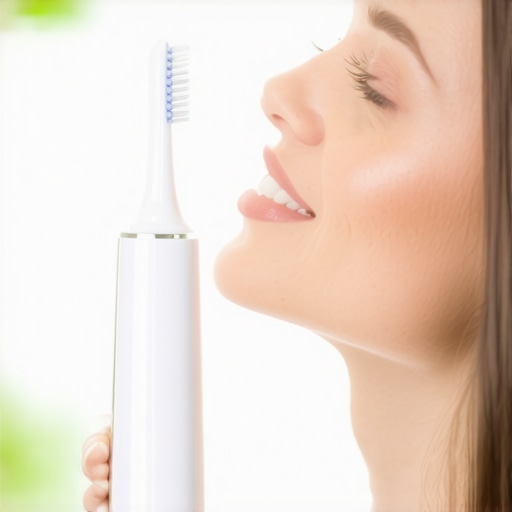
The Hidden Lessons That Changed My Approach to Winter Tooth Sensitivity
One of the most valuable realizations I uncovered is that preventing cold weather tooth pain isn’t just about immediate remedies—it’s about understanding the deeper causes like enamel health and gum resilience. This shift in perspective helped me focus on long-term solutions rather than quick fixes, such as investing in treatments that strengthen my enamel and protect my gums from recession. Recognizing these subtle factors transformed my approach to daily oral care, ultimately leading to healthier, less sensitive teeth year-round.
Discover Tools and Resources That Elevate Your Oral Hygiene Game
Over the years, I’ve found that investing in quality tools makes a significant difference. The Sonicare DiamondClean electric toothbrush revolutionized my cleaning routine with its gentle yet thorough brushing. Pairing it with a Waterpik Aquarius water flosser enhanced post-meal freshness and reduced sensitivity. For maintaining a radiant smile, professional-grade whitening gels like Opalescence Boost are my go-to, offering effective results without added sensitivity. Exploring reputable resources like this comprehensive guide has been crucial in making informed decisions about my dental health.
Your Next Step Toward Confident Smiles Starts Now
If you’re tired of suffering from winter tooth sensitivity, remember that proactive care and the right tools can transform your experience. Don’t wait for discomfort to dictate your outdoor enjoyment—take action today. Schedule a professional consultation by visiting our contact page, and start your journey toward a brighter, more comfortable smile. Embrace these insights and let your winter days be filled with confidence, not apprehension. How has cold weather affected your dental health, and what steps are you ready to try? Share your experience below!