
It was a routine Sunday afternoon when I caught myself staring into the mirror, grim-faced, realizing I hadn’t really examined my mouth in ages. I’d just finished a big family barbecue, and as I rinsed with water, a strange, persistent spot on my tongue caught my eye. I felt a pang of worry, actually a little fear. That moment made me realize how easy it is to overlook early warning signs of something serious like oral cancer, especially when we’re busy or complacent.
Why Recognizing Early Signs at Home Is Crucial
Oral cancer, while less talked about than other cancers, is sneaky. Detecting it early drastically improves treatment outcomes, often making the difference between a simple procedure and a life-changing diagnosis. But here’s the thing: most folks, myself included at one point, don’t know what subtle changes to look for. That’s why I’ve made it my mission to learn how to identify early signs right from my own bathroom mirror. Trust me, it’s easier than you might think, and it can literally save your life.
All it takes is a little awareness and a brief daily check. If you catch something unusual early—like a sore that doesn’t heal, a lump, or a discoloration—it can be life-saving. I want to help you see how simple home checks can be, provided you know what signs to watch for. For instance, did you know that the survival rate for early-stage oral cancer is around 80-90%, but drops significantly if discovered late? (*Source:* American Cancer Society)
What’s Holding You Back? Common Fears and My Mistakes
I’ll admit, at first I dismissed my worries, thinking it was probably nothing. I’d made the mistake of ignoring minor discomforts, brushing them off as age or a minor injury. Early on, I didn’t realize that sometimes, what feels minor can be something serious. That’s a mistake I see many people make—waiting too long or dismissing symptoms. I’ve since learned that early detection at home involves simple steps like feeling for lumps, examining for color changes, and noting persistent sores—things I now do regularly.
Would you recognize the signs if they appeared? Or would you brush it off like I used to? This is exactly what makes home checks so powerful. If you’ve ever felt a strange patch or noticed a spot that just won’t go away, don’t ignore it. Instead, learn what to look for and when to see a professional. Next, we’ll dive into specific signs and how to perform a quick self-exam that could make all the difference.
Start with a Calm, Well-Lit Spot in Your Bathroom
Find a mirror with good lighting to get a clear view of your mouth. Turn off any harsh overhead lights and use natural light or a bright LED mirror for better contrast. I’ve actually done this early one morning when I noticed a small red patch on my tongue; taking my time made it easier to spot subtle changes. Ensure your hands are clean before touching your mouth, just like you would when performing a routine teeth cleaning.
Perform a Visual Inspection
Scan Your Lips and Mouth
Begin by examining your lips for sores or cracks. Open your mouth wide and look for any discolorations, white patches, or red spots on your cheeks, gums, or tongue. I remember one time noticing a slightly whitish film on my tongue that didn’t rub off—an early sign that prompted me to seek professional advice. Use a clean finger or a soft cloth to gently feel for lumps, swelling, or rough patches.
Check for Unusual Textures or Bumps
Run your tongue along the roof of your mouth, the sides of your cheeks, and under your tongue. Notice any unusual bumps, lumps, or thickened areas. Remember, like cleaning your teeth, this tactile check helps catch subtle signs that brushing alone might miss.
Assess Color Changes and Sores
Identify Persistent Discolorations
Look for patches of red, white, or dark colors that last more than two weeks. These can be early warning signs of oral issues. During my own check, I discovered a small, painless red mark that I wouldn’t have noticed otherwise.
Spot Sores or Ulcers That Won’t Heal
Pay attention to sores, ulcers, or patches that persist beyond two weeks. Apply gentle pressure to see if they hurt or bleed. Once, a tiny sore on my gum didn’t heal for weeks, which I learned was a red flag for potential concern. If you find any of these, note their location and size for your next visit to the dentist or specialist.
Feel for Lumps or Swellings
Use your fingers to palpate your neck and inside your cheeks for swollen lymph nodes or lumps. These can be signs of infections or more serious conditions. I once felt a slight swelling under my jaw that prompted a quick consultation with my dentist, preventing further issues.
Document and Monitor Changes
Keep a journal with photos if possible, noting any changes over time. Regular documentation helps you recognize patterns or worsening signs. I digitally recorded my tongue’s appearance over several days, which made my discussions with the dentist more precise.
Know When to Seek Professional Advice
If you observe any persistent sores, unusual patches, lumps, or color changes, schedule an appointment promptly. Remember, routine inspections like these supplement professional examinations but do not replace dentist visits. This proactive approach empowered me to act swiftly when I noticed something irregular.

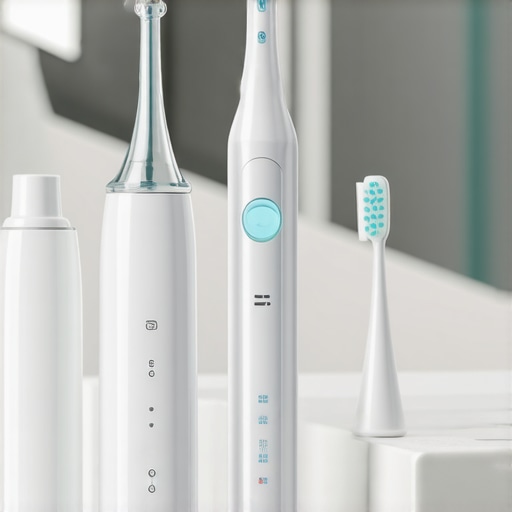 }For whitening, I prefer the GLO Science Professional Whitening Kit, as it combines heat and LED light to accelerate results safely, supported by research indicating its superior efficacy over generic whitening strips.* Looking ahead, I predict that integration of AI-driven dental monitors and app-connected tools will become standard, enabling individuals to track and optimize their oral hygiene routines in real-time. This technological leap could significantly improve long-term results and early detection of issues.