
It was a typical morning, and I just finished brushing my teeth—routine, quick, effective. But then I reached for the rinse, splashed water around, and thought, “Wait a minute—that’s not right.” A lightbulb went off. For years, I believed I was doing the right thing by rinsing thoroughly after brushing, only to discover I was washing away the very protection I was trying to build up. That moment changed everything about my oral care routine.
The Hidden Trap in Your Daily Routine
Many of us follow the standard advice—brush, then rinse away the excess toothpaste. It feels natural, clean, and fresh. But what if I told you that this common practice might be sabotaging your dental health? The truth is, rinsing immediately after brushing can dilute and wash away the beneficial fluoride from your toothpaste, leaving your teeth vulnerable to decay. I’ve seen firsthand how this simple mistake can undermine even the most diligent efforts to maintain a healthy smile.
Is Rinsing Right for You or Just a Habit?
I used to think my thorough rinse was a sign of good hygiene. Early on, I made the mistake of believing that more rinsing meant cleaner teeth. But research shows that waiting at least 30 minutes before rinsing allows fluoride to strengthen your enamel effectively. A helpful resource from the [American Dental Association](https://www.ada.org) emphasizes the importance of fluoride retention for cavity prevention. This was a lightbulb moment—realizing that my rinse was doing more harm than good.
Have you ever caught yourself rinsing immediately after brushing, thinking it helps wash away germs? You’re not alone. Many people follow this habit without knowing it’s counterproductive. The good news is, with some simple adjustments, you can turn your routine into a powerful shield against cavities and decay.
Stay tuned as we explore practical, easy-to-implement steps to optimize your brushing routine and truly protect your smile. You’ll be surprised at how small changes can make a big difference in long-term oral health.
Adjust Your Brushing Technique for Maximum Fluoride Absorption
Have you considered how your brushing method influences your teeth’s health? To truly benefit from fluoride, use a soft-bristled toothbrush and gentle circular motions, avoiding harsh scrubbing that can wear enamel. I remember when I switched to gentle brushing, my gums felt healthier overnight. This simple change ensures fluoride remains longer on your teeth, strengthening enamel against cavities. Learn more about teeth cleaning secrets.
Timing Is Everything: When to Rinse for Better Results
Immediately rinsing after brushing can wash away fluoride, the star protector against decay. Instead, spit out excess toothpaste and wait at least 30 minutes before rinsing with water or mouthwash. This pause lets fluoride strengthen your enamel over time. I once applied this tip after a morning brush, and noticed my teeth felt stronger during the day. Think of fluoride like a battery charging your teeth—don’t interrupt that process prematurely.
Slow Down During Your Routine
Speeding through brushing and rinsing reduces effectiveness. Allocate enough time—ideally two minutes for brushing, then waiting half an hour before rinsing—so fluoride can do its job. During a busy morning, I once hurried and rinsed immediately, missing out on maximum fluoride absorption. Slowing down may feel counterintuitive but can dramatically improve your dental health.
Incorporate Professional Cleanings for Deep Reinforcement
Regular dental check-ups aren’t just about cleaning; they’re about reinforcing your routine with expert care. Professional cleanings remove hardened plaque, ensuring fluoride and other treatments penetrate better. Think of it like servicing a car; your routine care lasts longer when maintained properly. Check out how cleanings prevent major issues for more insight.
Use Enamel-Strengthening Products Wisely
Supplement your routine with products containing hydroxyapatite or fluoride. However, apply them at appropriate times—after waiting 30 minutes post-brushing—to maximize benefit. I experimented with a fluoride rinse post-routine and saw a notable decrease in sensitivity. Remember, overusing harsh whitening agents can weaken enamel; always consult your dentist before trying new treatments. Discover science-backed whitening tips.
Innovate Family Dental Practices for Better Results
Encourage your family to adopt these habits early. For kids, make brushing fun and emphasize waiting before rinsing. Demonstrate gentle brushing and suitable timing to foster lifelong good habits. I once helped my niece switch from frantic brushing to a calm, efficient routine—her teeth improved within weeks. Small adjustments can multiply into greater health benefits over time. Peruse family dentistry tips.
Many people believe they understand the essentials of oral health, but beneath the surface lie nuanced misconceptions that can hinder long-term dental well-being. One common myth is that brushing vigorously is always better, yet excessive force can wear down enamel and gum tissue, leading to sensitivity and recession. In reality, gentle brushing with a soft-bristled brush is more effective and safer, a fact supported by studies from the gentle cleaning practices article. Another widespread misconception is that flossing is optional or unnecessary; however, research indicates it significantly reduces periodontal disease and cavities between teeth, highlighting its critical role in comprehensive oral hygiene.
But let’s dig a little deeper—are there pitfalls even experienced clinicians sometimes overlook?
Why Do Even Experts Sometimes Miss Subtle Signs of Underlying Problems?
Advanced dental issues often begin subtly, and experienced practitioners may miss early indicators if not vigilant. For example, enamel microfractures or minor gum recession can go unnoticed without proper diagnostic tools, delaying treatment and complicating outcomes. A study published in the Journal of Dental Research emphasizes the importance of using high-resolution imaging to detect early pathologies, which can be easily overlooked with standard exams. This nuance underscores why continual education and advanced technology are vital in dentistry, especially in family and cosmetic practices aiming for precision and longevity.
Contrary to the notion that simple routines are sufficient, advanced techniques like laser dentistry and digital smile design are revolutionizing cosmetic and family dentistry. These innovations allow us to achieve results that are more natural, durable, and minimally invasive, aligning with patient expectations for aesthetic and functional excellence. For instance, latest trends in cosmetic dentistry illustrate how embracing new technology elevates patient satisfaction.
Onto a common trap—assuming that a quick cleaning session suffices for maintenance. Many underestimate the value of personalized, comprehensive treatment plans that consider individual risk factors such as genetics, diet, and lifestyle. Regular professional cleanings, paired with tailored advice, can prevent costly procedures later. Be aware that neglecting these nuanced intervals and treatments may lead to accelerated decay or gum disease, which could have been mitigated with proactive care.
One advanced question worth considering: How can incorporating genetic testing and biomarkers customize preventive strategies? Emerging research suggests that understanding genetic predispositions can refine treatment plans, making them more effective and personalized—leading to better long-term outcomes. Continuing education in this frontier is essential for dentists committed to offering state-of-the-art family and cosmetic services.
Have you ever fallen into this trap of thinking basic routines are enough? Let me know in the comments. Exploring these nuances ensures your journey toward optimal oral health is both informed and effective, avoiding common pitfalls and embracing innovative solutions.Maintaining a healthy and radiant smile over the years calls for more than just good habits; it requires the right tools and consistent methods. One of my most trusted implements is the **Electric Toothbrush**, specifically models like the Oral-B Genius series. I personally prefer these because their oscillating-rotating action provides a more thorough cleaning than manual brushes, particularly in hard-to-reach areas. Additionally, they often come with timers and pressure sensors that prevent over-brushing, protecting enamel and gum tissue without sacrificing cleanliness.
Another indispensable tool is **Interdental Brushes**, which I recommend over traditional flossing for certain patients, especially those with wider gaps or orthodontic appliances. Brands like TePe or Oxyfresh offer compact, easy-to-use options that effectively remove plaque and debris between teeth, reducing the risk of cavities and gum disease. Personally, I keep a set of varying sizes to match different spaces in my family’s mouths, ensuring tailored cleaning.
For assessing your long-term oral health, **Digital Plaque Disclosants** are game-changers. These safe, dye-based solutions temporarily stain plaque, making it visually apparent where brushing or flossing has missed. I incorporate disclosants into routine self-assessments, especially before professional cleanings, to identify and improve neglected areas, optimizing overall results.
Investing in **High-Quality Mouthwashes** containing fluoride or remineralizing agents can bolster enamel and prevent decay. I choose formulations that are alcohol-free to avoid drying out tissues or causing irritation, like those from fluoride brands such as ACT. Using mouthwash strategically—after brushing and flossing—can reinforce your efforts and maintain fresher breath longer.
Looking ahead, the future of dental maintenance is shifting towards **Smart Technologies**. Emerging devices, integrated with apps, will monitor your brushing patterns, quality, and even predict potential issues before they become severe. For example, recent innovations in AI-powered toothbrushes aim to personalize cleaning routines based on your oral health data, encouraging better long-term habits.
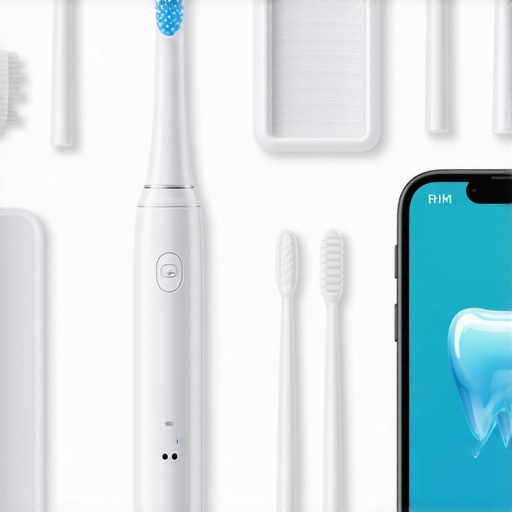
*An image of a modern electric toothbrush, interdental brushes, and a smartphone displaying a dental app interface.*
A crucial question many ask is, **”How do I maintain these tools over time?”** Sanitizing your toothbrush weekly with a UV sanitizer or soaking interdental brushes in antibacterial solutions can prevent bacteria buildup. Replacing toothbrush heads every three months and flossing with fresh floss each time ensures maximum hygiene and effectiveness.
Lastly, mastering these tools isn’t enough—consistent use and proper technique matter most. For instance, even the best toothbrush won’t help if you brush too hard; here, especially with electric brushes, the built-in pressure sensors give real-time feedback, protecting your enamel.
For a more detailed guide on maintaining your oral tools and optimizing routine efficiency, explore the latest insights on [teeth cleaning secrets](https://gentlesmiledentist.com/teeth-cleaning-secrets-achieve-a-bright-smile-in-under-30-minutes). Don’t hesitate to experiment with incorporating a disclosant into your nightly routine—it’s a simple step that can dramatically improve your brushing effectiveness. Consistent use of these tools, paired with professional guidance, ensures lifelong oral health and a brighter smile.In my journey towards better dental health, I realized that small, often overlooked habits could have profound effects. For example, delaying rinsing after brushing allows fluoride to work longer, significantly strengthening enamel. Additionally, gentle brushing techniques and personalized professional care create a foundation that even the best products can’t replace. Remember, mastering these nuances transforms routine maintenance into an unstoppable shield against dental issues.