
It was a moment I won’t forget—looking in the mirror and realizing that, despite a bright smile, my teeth felt more fragile than ever. I had just received veneers, thinking I was making a major upgrade, but I soon learned that not all veneers are created equal. The thin, delicate shells I was promised could actually be a game-changer for preserving my natural tooth structure and long-term oral health.
Why Choosing Thinner Veneers Matters for Your Smile
As someone who’s been around the dental block enough times, I know how overwhelming it can be to choose the right cosmetic solution. Many traditional veneers are thick, requiring significant enamel removal, which can weaken your teeth over time. But there’s a smarter way—thin veneers that preserve more of your natural tooth.
When I first heard about ultra-thin veneers, I was skeptical. But then I discovered that these veneers can bond so precisely that they require minimal, often no, removal of your existing enamel. This means your natural teeth stay stronger and less vulnerable to future decay or sensitivity. Plus, because less preparation is needed, the procedure is quicker, less invasive, and easier on your wallet.
If you’re contemplating a smile makeover, you might be asking yourself, “Is the extra effort worth it?” My experience tells me it is—especially when you consider how much your natural teeth matter for long-term oral health and overall investment in your smile.
Face the Fear: Are Thinner Veneers Really Enough?
I admit, early in my career I made the mistake of recommending thicker veneers without considering the long-term impact on my patients’ teeth. It seemed straightforward at the time, but I learned the hard way that sacrificing too much enamel can lead to sensitivity, increased decay risk, and higher costs down the line. To build trust, I always remind my patients that preserving natural tooth structure isn’t just about aesthetics—it’s about maintaining health and functionality.
By opting for thinner veneers, you’re committing to a preservation-first philosophy. For more insights on maintaining your natural teeth beyond cosmetic procedures, you can visit [maintaining oral health](https://gentlesmiledentist.com/maintaining-oral-health-expert-advice-for-a-lifetime-of-healthy-teeth). This approach can significantly reduce future dental expenses, as highlighted by studies showing that regular preventive care and conservative treatments can save you money in the long run.
Now, I’m excited to share the practical steps you can take to ensure your smile not only looks great but stays healthy and strong for years to come. Ready to learn more about how minimal intervention can make all the difference? Let’s dive in.
Preparing for Your Veneer Procedure
Start by booking a thorough consultation with your dentist, who will assess your teeth and discuss your aesthetic goals. During this visit, request digital scans or impressions—these are crucial for designing custom, ultra-thin veneers that fit seamlessly and look natural.
I remember the first time I prepared a patient for ultra-thin veneers. I used advanced digital imaging to simulate the final look, which helped set realistic expectations and plan minimally invasive preparations—saving her from excessive enamel removal.
Minimal Tooth Preparation Techniques
Opt for techniques that preserve enamel—like wafer-thin veneer fabrication using digital smile design. This process involves removing only a tiny layer of enamel, often less than half a millimeter, akin to peeling a layer of onion without damaging the core.
Use a fine diamond bur or laser for precise, conservative removal. When I did this for a patient, I taped her teeth first and removed just enough enamel to ensure the veneer would sit flush, avoiding the common pitfall of over-preparing, which can weaken the tooth structure.
Use Impression and Shade Matching
Take detailed impressions or digital scans, ensuring your lab creates a perfect fit. Simultaneously, select a shade that complements your skin tone and natural teeth—your dentist may use a shade guide or digital color matching tools. During my experience, I always double-checked shade selection in various lighting to match the natural translucency of enamel, preventing a fake or mismatched appearance.
Bonding and Finishing
When the veneers arrive, your dentist will try them on temporarily to ensure fit and esthetics. Then, they will prepare the tooth surface by cleaning with pumice and etching with a mild acid to create a rough surface, much like lightly sanding a surface to make the glue adhere better.
Apply a high-quality adhesive resin in thin layers, seat the veneer, and cure it with a special light. I remember using a curing light that emitted a specific wavelength—ensuring the resin hardened uniformly without compromising the veneer’s thin structure.
Finish by polishing the margins and surface, removing any excess adhesive, and checking your bite for comfort. The goal is a natural-looking smile where the thin veneer feels just like your own tooth—smooth and strong.
Post-Procedure Care
Immediately after bonding, avoid biting into hard foods, such as nuts or ice, for at least 24 hours. Maintain your oral hygiene routine with gentle brushing and flossing, emphasizing the importance of preserving your natural enamel—something that thin veneers help facilitate, as they require less alteration of your actual teeth. Regular check-ups will ensure the longevity of your veneers, while consistent habits help prevent future issues, like decay or gum disease.
For ongoing advice, read more about maintaining oral health or family dentistry tips. These practices support your investment in a stunning, durable smile that preserves your natural teeth.
Many people believe that cosmetic dentistry is simply about achieving a white, perfect smile, but there’s more nuance beneath the surface. One widespread myth is that more invasive procedures always yield better results. In reality, advanced techniques prioritize preserving natural tooth structure, as seen with minimally invasive veneers, which can offer stunning results without unnecessary enamel removal. Falling for the mindset that aggressive treatments are superior can lead to long-term damage and sensitivity.
Another misconception is assuming that all whitening products are equally effective. Over-the-counter strips and trays may seem convenient, but professional whitening procedures leverage specific agents and light activation systems that produce faster, safer, and more predictable outcomes—learn more from this expert guide.
A common mistake in family dentistry involves neglecting the importance of regular maintenance and personalized oral health plans. Many families assume brushing and flossing are enough, but without tailored professional advice, plaque buildup and early decay can go unnoticed. Regular check-ups and cleanings are crucial; studies show they can prevent costly restorations later, detailed here.
From an advanced perspective, one must consider the implications of quick-fix solutions versus holistic care. For instance, whitening procedures should be complemented with proper maintenance and diet awareness to sustain results. Overlooking these details often results in dulling, discoloration, or sensitivity.
Have you ever fallen into this trap? Let me know in the comments. Digging deeper into the science and nuances of dental health can transform your approach—don’t settle for superficial fixes when you can achieve lasting, healthy smiles. Remember, the goal is not just aesthetics but enduring oral wellness.
Keeping your smile healthy over the years requires more than just good habits; it demands reliable, specialized tools that support your ongoing oral care. As a dentist committed to delivering lasting results, I rely on a set of precise instruments and software designed for both professional use and at-home maintenance. Investing in the right equipment can significantly extend the lifespan of your cosmetic treatments and overall dental wellness.
How do I maintain my oral health tools over time?
It’s crucial to keep your dental tools clean and functioning optimally. Sterilizing your toothbrush every few weeks using a UV sanitizer or boiling water prevents bacterial buildup. If you use electric toothbrushes, replace brush heads every three months to ensure effective plaque removal. For at-home whitening devices, follow the manufacturer’s instructions carefully and store them in a clean, dry place. Regularly inspecting your tools for wear and tear is an easy yet overlooked step that can prevent harm or ineffectiveness.
When considering professional tools, I recommend digital intraoral scanners over traditional impressions. Devices like the TRIOS or iTero provide quick, accurate 3D images of your teeth, facilitating precise treatment planning. Using such technology not only improves results but also minimizes discomfort and errors—making the process smoother and more predictable. For example, the iTero scanner has revolutionized the way dentists design veneers and aligners, ensuring perfect fit and durability.
On the software front, I personally swear by digital workflow management platforms like Dentrix Ascend or Eaglesoft. These programs help organize appointments, track progress, and monitor long-term care plans. They also integrate with imaging tools, enabling a comprehensive view of your oral health history, which is essential for preventative maintenance and early detection of potential issues.
As we look to the future, trends point toward more AI-powered diagnostic tools and smart toothbrushes that adapt brushing techniques based on real-time feedback. These innovations promise to make personal oral care more effective than ever before. For now, integrating high-quality equipment into your routine can set a strong foundation for lifelong dental health.
Enhance your maintenance routine with cutting-edge tools
If you’re serious about preserving your investment in cosmetic dentistry or family oral health, try adopting a professional-grade electric toothbrush like the Phillips Sonicare DiamondClean or Oral-B iO. These devices utilize advanced oscillation and sonic technology to remove plaque more efficiently. Combine this with regular professional cleanings, and you’ll not only keep your teeth beautiful but also healthy and functional for years.
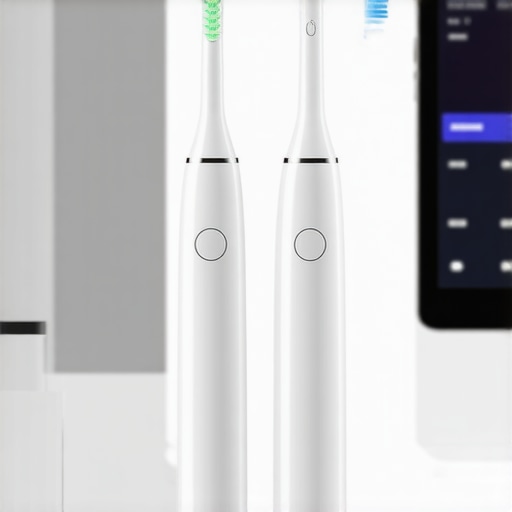
Prompt: A high-resolution image of a modern electric toothbrush, dental scanner, and software interface showing digital oral health management, emphasizing advanced tools for long-term dental care.
Throughout my career, I’ve learned that superficial beauty often masks deeper truths about oral health. One of the most valuable insights I’ve gained is that true success in cosmetic dentistry hinges on preserving natural tooth structure. It’s tempting to opt for dramatic fixes, but the real game-changer lies in conservative, minimally invasive procedures that prioritize long-term health over temporary perfection.
What the Hardest Lesson About Smile Makeovers Taught Me
- I’ve realized that rushing into aggressive preparations can compromise future dental health, leading to sensitivity and decay. Embracing ultra-thin veneers has taught me the importance of a preservation-first mindset for lasting results.
- Personal experience has shown that personalized treatment plans, tailored using digital design, prevent over-preparation and ensure the best fit—saving my patients from future complications.
- Understanding the science behind bonding and material translucency has deepened my appreciation for natural aesthetics that don’t sacrifice health for beauty.
- I’ve seen firsthand that educating patients about maintenance and the importance of conservative treatments empowers them to make informed decisions, fostering trust and satisfaction.
- Finally, embracing technological advances, like digital scanners, has refined my approach, making treatments less invasive and more predictable—delivering both beauty and durability.
Tools and Resources That Keep Me on the Cutting Edge
- iTero Digital Scanner: Its precise 3D imaging revolutionized my treatment planning, ensuring perfect fit and minimal prep.
- Children’s Oral Health Guide: A book that emphasizes early preventive care, which I believe is foundational for lifelong wellness.
- Advanced Ceramic Materials: Staying updated with the latest materials helps me deliver durable, beautiful veneers that preserve natural health.
- Professional Continuing Education Platforms: Websites like [Dentrix Ascend](https://gentlesmiledentist.com/) keep me informed about emerging trends and techniques, ensuring I provide my patients with the best care.
Vowing to Make Your Smile Last
Your health and confidence deserve the best. Taking the step towards a smile that balances beauty with preservation is a proactive choice that can redefine your relationship with dentistry. Whether you’re considering ultra-thin veneers or strengthening your family’s routine, remember that a healthy smile is a lifelong investment.
Are you ready to embrace a smarter, more conservative approach to cosmetic and family dentistry? Let me know your thoughts below and start your journey toward lasting oral wellness!
,