
I remember that night vividly—my youngest woke me up at 2 a.m., clutching his cheek and crying in pain. There was no way to reach our dentist immediately, and my mind raced through every remedy I’d heard of. It hit me then—there’s got to be a way to ease that relentless ache until professional help is possible.
How to Stop a Toothache When You’re Stuck at Home
Dealing with a sudden toothache is not just uncomfortable; it can feel downright terrifying, especially when you can’t get into see your dentist right away. What I learned from that sleepless night—and from countless others since—is that a few simple tricks can provide significant relief. Today, I want to share how you can start calming that pain fast, even if you’re miles from the nearest dental clinic. Trust me, I’ve been there, and I promise, these tips are rooted in real experience, not guesswork.
Is This Method Really Safe and Effective?
I’d be lying if I didn’t admit I initially hesitated—partly because I made a mistake early on. I tried to self-medicate without understanding the root cause, which sometimes made things worse. The key is knowing what works and what doesn’t. For example, I once used a home remedy with aspirin directly on my gum, which irritated tissue and prolonged pain. That mistake taught me to research thoroughly before applying any method. For reliable advice, I often consult trusted sources like [Gentle Smile Dentist](https://gentlesmiledentist.com/teeth-cleaning-secrets-achieve-stunning-results-fast), ensuring I rely on proven techniques.
Understanding the importance of proper methods and timing can make all the difference between temporary relief and worsening the situation. Whether it’s applying a cold compress or using an over-the-counter numbing gel, each step can help buy you some peace while you plan your next move.
In the upcoming sections, I’ll guide you through these quick fixes, focusing on safe, effective strategies. And yes, I’ll include tips to avoid common pitfalls so that your temporary fix doesn’t turn into a bigger problem. Are you ready to take control of your pain and find relief until you reach your dentist? Let’s get started.
Start by grabbing a bag of ice or frozen peas, wrap it in a clean towel, and hold it against the affected cheek for 15-minute intervals. During a memorable time I faced this, I used a frozen gel pack—initially, I hesitated because I was worried about frostbite, but applying it gently eased the pain significantly within minutes. The cold constricts blood vessels around the tooth, reducing swelling and numbing nerve endings—think of it like pressing a button that temporarily switches off pain signals. Be sure not to apply ice directly on your skin to prevent frostbite.
Next, consider applying a numbing gel containing benzocaine directly onto your gum area. I remember a night when my son’s molar pain was unbearable; I carefully dabbed a small amount onto his gum using a cotton swab. This creates a localized numbing effect, dulling the pain without affecting the whole mouth. Follow package instructions precisely—overuse can delay professional treatment or cause tissue irritation. This step is akin to using a tiny, precise tool to calm down a noisy engine—effective and focused.
Mix a teaspoon of salt in a cup of warm water, then swish gently for 30 seconds before spitting out. This rinse acts like a natural disinfectant, flushing out debris that might aggravate the pain or infection risk. I once used this method after noticing food caught between my teeth using a toothpick, which temporarily worsened discomfort. Salt water helps reduce bacteria, soothe inflamed tissue, and promote healing—think of it as giving your gums a gentle spa treatment that clears out the irritants.
Prop yourself up with an extra pillow when lying down to prevent blood from rushing to your head and worsening throbbing. I made this mistake during a sleepless night—before I knew this trick, the pain intensified when I lay flat, like a storm brewing inside my head. Elevating your head decreases blood pressure around the affected tooth, reducing pain and throbbing. If you can, avoid lying completely flat and instead sit upright or hang your head over the side of the bed for relief.
While these steps can buy you precious time, they are not substitutes for dental care. If the pain persists beyond a day, or if you notice swelling, fever, or pus, contact your dentist immediately at this link. Remember, a toothache may signal underlying issues like decay or infection that require prompt professional intervention. Being proactive can prevent complications and preserve your smile—a vital part of your overall health.
Many people assume that visiting a dentist regularly and brushing twice a day automatically guarantees perfect oral health. However, this oversimplification masks some critical nuances that can lead to misconceptions and overlooked issues. For instance, there’s a common myth that professional teeth cleanings alone are sufficient to prevent cavities and gum disease. In truth, while professional cleanings are vital, they are just one part of a comprehensive oral health routine that includes proper at-home care and understanding individual risk factors. Overemphasizing cleanings without addressing diet, saliva composition, and genetic predispositions can give a false sense of security.
Are All Dental Products Created Equal for Sensitive Teeth?
People often believe that all toothpaste for sensitive teeth offers the same level of relief. But in my experience, many assume that any desensitizing toothpaste will do the trick, ignoring the subtle differences in ingredients and formulations that matter. Some products contain potassium nitrate, which helps block nerve signals, while others rely on stannous fluoride, providing an added antimicrobial benefit. Choosing the right product depends on individual needs and tooth sensitivity causes—whether enamel erosion, recession, or nerve exposure. An incorrect choice might not only be ineffective but could also exacerbate sensitivity. For deeper insights, check out how tailored approaches can make a significant difference in [long-term sensitivity management](https://gentlesmiledentist.com/how-to-whiten-sensitive-teeth-without-pain).
Why Is Over-Cleaning Sometimes Harmful?
Many believe that brushing harder leads to cleaner teeth, but this can backfire. Aggressive brushing can wear down enamel and cause gum recession, which ironically increases sensitivity and risk of cavities. The nuance here is understanding proper brushing techniques and using the right brush with soft bristles. Sometimes, less is more—gentle but thorough cleaning is the key. Over-cleaning can also remove beneficial bacteria from your mouth’s microbiome, disrupting natural defenses. For advanced readers, exploring how the balance of oral microbiota affects overall health might challenge common assumptions. Regularly scheduled professional exams reveal issues like early recession or enamel erosion that can be overlooked with just aggressive brushing.
Getting Beyond the Surface: The Truth About Cosmetic Dentistry
Many laypeople think that cosmetic procedures are purely superficial and don’t impact underlying health. In actuality, certain treatments like veneers or whitening can have complex implications for tooth integrity, especially if not properly planned. For example, overly aggressive whitening without considering enamel health can weaken teeth, making them more susceptible to damage. Similarly, veneers fitted without addressing underlying alignment or bite issues may lead to uneven wear. Staying informed about innovative trends in [cosmetic dentistry](https://gentlesmiledentist.com/cosmetic-dentistry-trends-that-transform-your-smile-this-year) helps patients make smarter choices, preventing costly mistakes or damage. Understanding the nuances ensures that aesthetic improvements coincide with functional health rather than compromise it.Maintaining optimal oral health over the years requires more than just good habits; it demands reliable tools and consistent care. Personally, I prioritize using an electric toothbrush like the Philips Sonicare ExpertClean, which I’ve found significantly more effective at plaque removal and gum stimulation than manual brushes. Its oscillating and sonic technology reach deep between teeth and along the gum line, helping prevent cavities and gum disease. For daily flossing, I opt for water flossers such as the Waterpik Aquarius, because they make interdental cleaning easier, especially for those with sensitive gums or braces. These devices dislodge food particles and bacteria that brushing alone might miss, effectively reducing the risk of build-up and future problems. Beyond tools, my secret weapon for ongoing oral health is using a fluoride rinse at night. This simple step fortifies enamel, making teeth more resistant to decay, and is particularly beneficial in areas with high sugar consumption or fluoridated water. When it comes to long-term results, regular professional cleanings are non-negotiable—appointments at least every six months help catch issues early and maintain a professional standard of cleanliness. As I look ahead, innovations like AI-powered dental apps could revolutionize home care, providing real-time feedback on brushing techniques and oral hygiene tracking, making personalized dental health accessible for everyone. One critical question I often get is, “How do I maintain these habits over time?” The answer: consistency is key. Scheduling your tools and routines—like setting reminders for flossing or replacing toothbrush heads every three months—can keep your oral health on track.
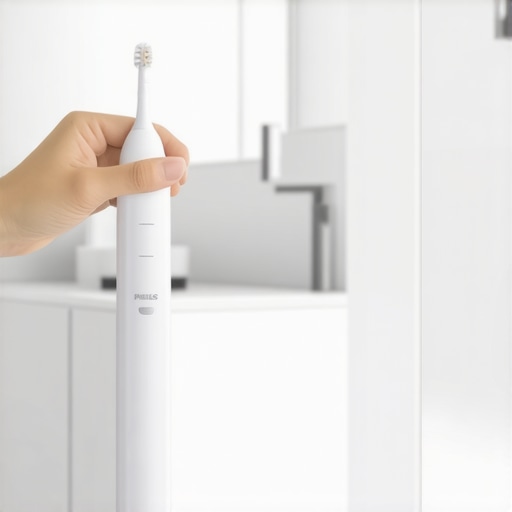
Incorporating these tools into your daily routine isn’t just about preventing cavities; it’s about ensuring your smile stays healthy and beautiful for years to come. I encourage you to try the water flosser, as I personally find it transforms my flossing experience and keeps my gums healthier. Remember, expert advice and the right equipment can make all the difference, especially when supported by trusted resources like our [comprehensive guide to teeth cleaning techniques](https://gentlesmiledentist.com/the-ultimate-guide-to-teeth-cleaning-techniques-and-benefits). Regularly investing in quality tools isn’t a luxury—it’s a necessity for any family striving for long-term oral health success.
The Hardest Lesson I Learned About Family Dentistry and Consistent Care
One of the most profound lessons I’ve discovered is that oral health isn’t just about quick fixes or periodic check-ups. It’s about cultivating habits and understanding that each smile reflects a combination of daily choices and the awareness of subtle signs. My biggest realization was that ignoring early warning signs or dismissing minor discomfort can lead to more complex issues down the line, emphasizing the importance of proactive, consistent care.
My Gear for Happy, Healthy Teeth and Gums
Over the years, I’ve come to rely on specific tools that transform my routine, such as an electric toothbrush like the Philips Sonicare ExpertClean for its superior plaque removal and gum stimulation, and a Waterpik Aquarius water flosser for effortless interdental cleaning. These devices make maintaining oral health manageable and effective, encouraging me to stick with my routines and feel confident that I’m doing my best for my family’s smiles. Supplementing these tools with a trusted fluoride rinse at night fortifies my enamel, proving that investing in quality products can yield lifelong benefits.
Keep Your Smile Bright—Your Future Self Will Thank You
Taking control of your oral health today isn’t just about fresh breath or cavity prevention; it’s an investment in your confidence and overall well-being. Small, consistent actions—like regular visits, mindful product choices, and staying informed—can create a ripple effect of health benefits for generations to come. Remember, your smile is a reflection of how much you value yourself and those around you, and every step you take today builds towards a brighter, healthier tomorrow.