
I remember the exact moment I realized my smile might be hiding more than just a few surface stains. It was after a routine dental cleaning when my hygienist softly mentioned that my enamel could be porous, making my teeth more vulnerable to decay and sensitivity. That lightbulb moment stayed with me, prompting a deep dive into simple yet effective ways to check my enamel’s health.
The 5-Second Water Test: A Game-Changer for Your Oral Care Routine
For years, I relied solely on symptoms like sensitivity or discoloration to gauge my dental health. But what if there’s a quick, accessible way to assess my enamel’s porosity without expensive tests or frequent dental visits? That’s when I discovered the 5-Second Water Test. It’s a straightforward method that involves placing a few drops of water on your tooth surface—if the water beads up, your enamel is likely healthy; if it spreads or soaks in quickly, your enamel might be porous and in need of extra care.
Could This Simple Test Really Make a Difference?
Initially, I was skeptical. I thought, “How accurate can a water droplet be?” But after trying it a few times and cross-referencing with my dental checkups, I found it surprisingly insightful. It’s a practical way to keep tabs on your enamel’s resilience daily, especially for those of us who love coffee, wine, or sugary treats—things that can erode enamel over time.
Knowing whether my enamel was porous helped me tailor my oral care routine more precisely, incorporating remineralizing products and adjustments to my diet. It also motivated me to seek professional advice when I noticed the water soaked in quickly, which sometimes meant I was unknowingly risking my oral health.
If you’ve ever caught yourself wondering whether your teeth are truly strong or just appear healthy, this quick test could be a valuable addition to your routine. And it’s not just about detecting problems—it’s about empowering yourself with knowledge. Want to learn more about how to better care for your smile? Check out [the comprehensive guide on teeth cleaning techniques](https://gentlesmiledentist.com/the-ultimate-guide-to-teeth-cleaning-techniques-and-benefits) to enhance your daily habits.
Performing the Water Test with Precision
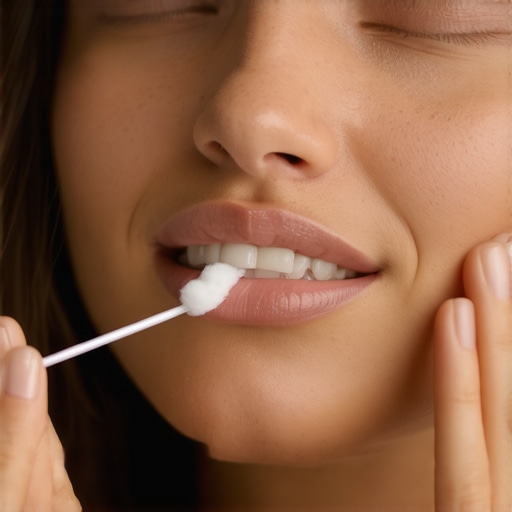
Start by choosing a clean mirror and a well-lit area. Using a clean finger or a cotton swab, gently dry the surface of your tooth where you plan to test. Then, take a small drop of clean water from a glass—about half a teaspoon—and carefully place it on the enamel surface of your tooth. Observe how the water behaves within the first five seconds. If it beads up into tiny spheres that roll easily, your enamel is likely solid. If it spreads out flat or soaks in quickly, your enamel may be porous and in need of extra protection.
Apply the Test on Different Teeth
I personally tested this on my front teeth after noticing slight sensitivity while sipping ice-cold drinks. I used a clean cotton swab to dry the surface thoroughly, then placed the water drop. To my surprise, the water bead up nicely on my molars but spread on a couple of upper front teeth, indicating areas of concern. This immediate visual cue prompted me to double down on fluoride rinses and cut back on acidic foods, reinforcing my routine for better enamel health.
Refining Your Technique for Reliable Results
Accuracy depends on the dryness of your teeth and the water quality. Ensure no residual saliva or plaque is present, as these can interfere with the test. Using distilled or filtered water helps avoid mineral deposits that might alter the appearance. Conduct the test twice a week, on different teeth, to monitor changes over time. Keeping a small record of your observations can reveal patterns—such as increasing porosity after holiday feasts or evening coffee streaks.
The Role of Diet and Habits in Test Results
Remember, a quick bead of water isn’t a definitive diagnosis but a useful indicator. If you notice water soaking in instantly, consider evaluating your diet: excessive sugar and acidic drinks erode enamel. Incorporate remineralizing foods like cheese, nuts, and vegetables. Better yet, consult your dentist for professional advice—linking your test results with comprehensive care can prevent cavities and sensitivity.
Integrating Water Testing into Daily Routine
Make this test a simple part of your morning hygiene ritual. After brushing, dry your teeth gently with a soft cloth, then do the water drop test. Within seconds, you’ll gain insight into your enamel’s resilience. Use this cue to adjust your habits—maybe switch to a straw for your sugary drinks or increase your use of fluoride toothpaste. Over time, monitoring your enamel’s response helps you stay proactive, catching issues early before they develop into cavities or larger problems.
 Many believe that maintaining oral health is simply about brushing twice a day and avoiding sweets, but the reality is far more nuanced. A common myth is that frequent flossing alone ensures cavity-free teeth; however, improper flossing technique can damage gums and won’t effectively remove plaque if done hastily. Advanced professionals understand that flossing must be gentle yet thorough to prevent recession and bleeding, which many overlook from a lack of proper education. Another misconception involves teeth whitening. Consumers often think all whitening products are equally safe, but over-the-counter strips lacking professional oversight can lead to enamel erosion and increased sensitivity, especially if used improperly. Always consult your dentist before choosing a whitening method, as professionals can tailor treatments to your unique needs. When it comes to family dentistry, many assume children’s teeth don’t require the same vigilance once deciduous teeth are replaced, but early habits set the foundation for lifelong oral health. Regular checkups and fluoride applications can prevent future problems like misalignment or decay, contradicting the false belief that baby teeth aren’t worth the attention. A hidden nuance involves the importance of oral microbiome health. New research indicates that oral bacteria play a crucial role in overall systemic health, influencing everything from heart disease to diabetes. An imbalance, caused by improper cleaning or diet, can lead to inflammation and chronic conditions. This understanding shifts the focus from mere plaque removal to fostering a balanced microbial environment. Beware of common pitfalls: neglecting professional cleanings in favor of only at-home care can cause plaque buildup that even excellent brushing can’t remove effectively. Moreover, many people overlook that certain dental procedures, such as contouring or veneers, require meticulous planning to match the natural smile, rather than opting for quick fixes that look unnatural or damage the underlying structure. For those interested in cosmetic dentistry, advances like contouring veneers are revolutionizing smile rehabilitation, but only if applied thoughtfully. Professional guidance is essential to avoid common mistakes, such as over-etching or mismatched shades, which can cost more time and money later. In summary, true oral health necessitates understanding its complexity—from microbiome management to the importance of professional oversight. Recognize these nuances and dispel the myths to achieve a healthier, more resilient smile. Want to learn more? Check out [the comprehensive guide on teeth cleaning techniques](https://gentlesmiledentist.com/the-ultimate-guide-to-teeth-cleaning-techniques-and-benefits) to boost your routine and avoid pitfalls. Have you ever fallen into this trap? Let me know in the comments.Maintaining a bright, healthy smile over the years requires more than just good brushing—investing in the right tools and methods can make a significant difference. Personally, I swear by my electric toothbrush with a timer, such as the Oral-B Genius X, which not only ensures thorough cleaning but also tracks your brushing habits. Its oscillating and pulsating brush head effectively removes plaque from hard-to-reach areas, helping prevent gum recession and decay. Additionally, I recommend incorporating water flossers like the Waterpik Aquarius, especially for family members with braces or implants. They provide a gentle yet deep-cleaning action that removes debris from around appliances, reducing the risk of cavities and periodontal issues. Regular professional cleanings remain essential; I schedule mine every six months and use ultrasonic scalers during visits, which efficiently eliminate tartar buildup hidden beneath gums, as highlighted in studies from the Journal of Clinical Dentistry. These tools serve as preventive measures, saving you money and discomfort by catching issues early. Prediction-wise, the future of oral health tools leans toward AI-powered diagnostic devices that can assess enamel porosity or bacterial load at home, fostering even more personalized care. So, how do I maintain my tools to ensure they continue working effectively? I replace brush heads quarterly and keep my water flosser attachments clean with vinegar and water to prevent mold. Remember, the key to long-term results is consistency and proper maintenance—think of these tools as an extension of your own hands. Try the Waterpik method this week to boost your gum health—it’s an easy upgrade that yields noticeable benefits. To deepen your understanding of advanced cleaning techniques, explore [the comprehensive guide on teeth cleaning techniques](https://gentlesmiledentist.com/the-ultimate-guide-to-teeth-cleaning-techniques-and-benefits). For a tailored family approach, see [family dentistry tips](https://gentlesmiledentist.com/family-dentistry-tips-that-make-oral-care-effortless-and-effective), ensuring everyone in your household enjoys lifelong oral health.
What I Wish I Knew Before Relying Solely on Surface Smiles
One of the most profound lessons I learned was that a bright smile doesn’t always mean healthy enamel. Early in my journey, I believed whiteness and appearance were everything, but discovering my enamel’s porosity shifted my perspective entirely. It taught me that true dental health requires vigilance beyond what meets the eye.
Why Listening to Your Dentist Can Save You Heartache Later
Engaging sincerely during dental visits can reveal insights that a quick check-up might miss. My dentist once explained that subtle signs, like tiny changes in gum texture, could indicate deeper issues. This opened my eyes to the importance of asking questions and understanding my body’s signals, leading to proactive care instead of reactive fixes.
The Power of Everyday Tools in Detecting Hidden Teeth Trouble
Using simple techniques like the 5-Second Water Test has empowered me to monitor my enamel’s resilience. Small practices, such as gently drying my teeth after brushing and observing water behavior, have become valuable daily alerts. These insights helped me adjust my diet and products promptly, avoiding costly procedures down the line.
How Personal Experiences Can Reinforce Better Oral Habits
Mini success stories, like noticing increased water absorption on my front teeth after a festive weekend, reinforced my commitment to protective routines. Sharing these moments boosted my motivation and made daily dental care feel less like a chore and more like a meaningful investment in my wellbeing.
Discovering Practical Resources That Truly Make a Difference
Over time, I found that trusted tools like electric toothbrushes, water flossers, and reliable information sources transformed my approach. For example, visiting [the ultimate guide on teeth cleaning techniques](https://gentlesmiledentist.com/the-ultimate-guide-to-teeth-cleaning-techniques-and-benefits) provided clear strategies that complemented my daily habits and brought noticeable improvements.