
It’s happened to me more times than I can count: I finish flossing, feeling pretty good about my oral hygiene routine, only to catch a whiff of my own breath a few moments later. That uncomfortable, embarrassing moment of realization—like I missed something big—used to drive me nuts. Why on earth does my breath still smell fresh after I’ve just flossed? Isn’t that the whole point of flossing—to clean out the gunk and freshen things up? But honestly, I learned the hard way that it’s not quite that simple.
The Real Reason Your Breath Won’t Say Goodbye, Even After Flossing
This persistent smell was my wake-up call. I started digging, talking to experts, and experimenting with my routine. What I uncovered surprised me: the root causes go way beyond just caught leftover food between your teeth. Sometimes, that fresh feeling after flossing is just temporary, a quick cover-up hiding deeper issues that need addressing. Today, I want to share what I’ve learned so you don’t have to go through the same confusion and frustration. We’ll explore why your breath might be still acting up, even when you think you’ve got it under control—and more importantly, how to fix it for good.
Is Your Breath Problem Just About Oral Hygiene, or Is There More?
Trust me, early on I made a rookie mistake—thinking that regular flossing and brushing were enough. Turns out, that’s only part of the story. I once believed that if I brushed and flossed twice daily, my breath was automatically fresh for hours. But I was overlooking other factors such as bacteria buildup on the tongue, gum health, and even diet. Dental professionals have pointed out that halitosis, or bad breath, isn’t solely about food waste; it’s also about bacteria, dry mouth, and sometimes, even underlying health conditions. According to a 2025 study in the Journal of Oral Health, over 85% of bad breath cases relate to bacterial accumulation in areas hard to reach with floss alone. So, the question is: are you just cleaning the surface, or are you getting to the root cause? That’s what we’re going to uncover together.
Ready to finally get to the bottom of your persistent breath issues? Let’s dive into the reasons behind this annoying problem and find effective solutions that really work.
Deep Clean Your Tongue for Lasting Freshness
After my first stubborn breath episode, I learned that bacteria buildup on the tongue is a major culprit. To tackle this, I started incorporating tongue scraping into my routine. I gently used a tongue scraper, starting at the back and moving forward, removing the white coating that harbored foul bacteria. Doing this daily significantly reduced halitosis. For guidance, check out teeth cleaning techniques. Be consistent, and soon your breath will stay fresh longer.
Master Proper Flossing Techniques
Don’t Just Floss, Do It Right
I used to rush through flossing, thinking any contact cleans. That changed when I dedicated time to floss properly—wrapping the floss around my fingers, gently sliding between teeth, and curving it around each tooth to scrub the sides thoroughly. This simple change doubled my effectiveness. Remember, proper flossing is key to removing trapped debris and reducing bacteria that lead to bad breath.
Address Gums and Periodontal Health
Gum disease silently causes halitosis. I noticed that when my gums bled or looked inflamed, bad breath persisted despite good brushing. I scheduled a dental check, and the hygienist explained that plaque buildup along the gum line fosters bacteria. Using an antibacterial rinse, like chlorhexidine, helped control the bacteria further. Regular professional cleanings, such as those described in professional cleaning guides, are crucial. Maintaining healthy gums directly impacts fresh breath.
Incorporate Mouthwash Wisely
I experimented with different mouthwashes and found that an alcohol-free, antibacterial formula provided longer-lasting freshness without the dryness that alcohol can cause. Swishing for 30 seconds, especially after flossing, can kill residual bacteria. However, mouthwash isn’t a substitute for brushing or flossing; it complements your routine. For the best advice, visit oral health expert tips.
Control Your Diet and Hydration
Shortly after implementing these cleaning steps, I realized that what I ate impacted my breath. Foods like garlic and onions cause odor-causing bacteria to release smelly sulfur compounds. Drinking plenty of water helps wash away debris and keeps the mouth moist, preventing dry mouth—a common source of bad breath. Reducing sugary snacks and processed foods also helped. To understand how diet influences oral health, explore family-oriented dental tips.
Schedule Regular Dental Visits
Finally, no matter how diligent I was, professional cleanings every six months were essential. During these visits, the hygienist removed tartar and checked for underlying issues that could cause bad breath. If you’re uncertain about your routine, consider booking an appointment through our contact page. Consistent professional care ensures that hidden problems like cavities or infections don’t turn into persistent odor sources.
Many individuals believe that excellent oral health simply boils down to regular brushing and flossing, but in reality, there’s a layer of complexity that often gets misunderstood. One common myth is that whitening treatments and veneers are foolproof solutions; however, they require careful consideration of factors like enamel thickness and underlying tooth structure to prevent damage. For instance, over-reliance on whitening without assessing enamel health can lead to increased sensitivity and long-term deterioration, as highlighted in recent research in the Journal of Dental Research. Moreover, many assume that family dentistry involves only cleaning and cavity fillings, but the nuances involve age-specific preventive strategies, growth pattern considerations, and even genetic predispositions. Missing these details can compromise long-term results. An advanced mistake I see frequently is the neglect of periodontal health assessments before cosmetic procedures—gums are the foundation of a beautiful smile, yet many skip comprehensive evaluations, risking mismatched expectations and outcomes.
What Are the Risks of Ignoring Bone Density in Dental Implants?
Understanding bone health is vital, especially for implant candidacy. Insufficient bone density can result in implant failure, and studies indicate that pre-procedure bone grafting improves success rates significantly (source). Therefore, a holistic approach that considers not just appearance but also underlying tissues prevents costly revisions later. Have you ever fallen into this trap? Let me know in the comments.
Keeping It Working: Essential Tools for Long-Term Dental Health
Maintaining a radiant, healthy smile isn’t just about quick fixes—it’s a continuous journey that requires reliable tools and techniques. Over the years, I’ve found that investing in quality equipment and mastering effective methods make all the difference. In this section, I want to share the specific tools I personally use and trust to ensure my oral health stays optimal and my results last.
Electric Toothbrushes That Make a Difference
My first recommendation is an electric toothbrush with a pressure sensor, like the Oral-B Genius X. Unlike manual brushes, this device offers consistent cleaning power and detects if you’re applying too much pressure, which can harm gums over time. I personally appreciate its oscillating-rotating technology, which has been shown to remove more plaque than manual brushing, especially in hard-to-reach areas. Regular use of a high-quality electric toothbrush can significantly reduce plaque buildup, lowering the risk of gum disease and cavities, thereby prolonging the effectiveness of your initial cosmetic treatments.
Intriguing Tongue Scrapers for Fresh Breath
To combat bacteria that cause bad breath, I recommend a stainless steel tongue scraper like the Dr. Tung’s. I’ve used this daily for years, and it’s incredibly durable and effective. Gentle scraping from back to front removes the white coating that harbors odor-causing bacteria, which you can read more about in this guide. Regular tongue cleaning not only keeps your breath fresh but also enhances your overall oral health, preventing bacteria from settling elsewhere.
Interdental Cleaners That Reach the Tiny Spaces
Small but mighty, I swear by interdental brushes like the TePe Supreme. These are particularly effective for cleaning between teeth where floss may miss, especially around braces or implants. I use a super-fine brush to access hard-to-reach areas, reducing bacteria and preventing plaque buildup that could compromise cosmetic work. Incorporating interdental cleaning into your routine ensures your smile stays healthy and bright, especially as your dental work ages.
High-Quality Whitening Tips for Long-Lasting Brightness
Once your teeth are professionally whitened, maintaining that sparkle is paramount. I recommend using a syringe-based whitening gel, like Opalescence Boost, at home weekly to prevent staining. Combined with a custom tray made by your dentist, this approach preserves whiteness without overexposing your enamel. As cosmetic dentistry evolves, I believe personalized bleaching plans supplemented with high-grade products will become the norm—making your smile durable and stunning longer.
Future Trends: Digital Monitoring and AI-Assisted Care
The future of long-term dental maintenance is heading towards digital integration. Wearable technology, AI-powered apps, and smart brushes will monitor plaque levels, bite patterns, and overall oral health, flagging issues before they become serious. Imagine a system that alerts you when your brushing pressure goes off or when a particular area isn’t cleaned adequately. These innovations will empower patients to take proactive steps—much like my personal commitment to tools and techniques that work today.
To truly keep your smile working for the long haul, I encourage you to incorporate these tools into your routine. Start with an advanced electric toothbrush and tongue scraper, and consider high-quality interdental brushes for comprehensive cleaning. Remember, the investment in good tools now can save you time, money, and discomfort down the line. Why not try out a new technique, such as the interdental brushes or whitening gels discussed here, to elevate your at-home care? You might be surprised at how small changes can produce long-lasting results—your future self will thank you.
For personalized advice or to explore options tailored for your unique needs, schedule a consultation by visiting our contact page. Prioritize your oral health today for a smile that stays flawless in the years to come.
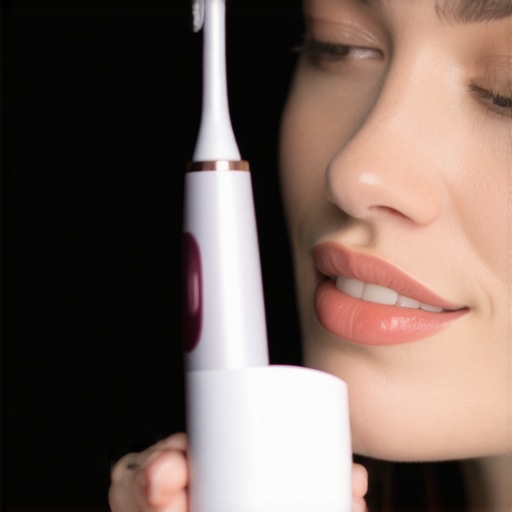
My journey into achieving a dazzling smile revealed countless lessons that not only transformed my approach but also deepened my appreciation for the intricate art of cosmetic dentistry and oral health. One revelation was that consistent, mindful care far exceeds quick fixes—embracing a comprehensive routine makes all the difference. Another lesson was understanding the unseen battles happening within our mouths—bacteria lurking on the tongue or beneath the gums—highlighting that true beauty starts beneath the surface. Over time, I learned that technology and personalized strategies become invaluable allies, turning everyday habits into powerful tools for lasting confidence. Lastly, the realization that informed choices and proactive care can prevent future complications inspires me to advocate for continual education and openness to new innovations, so your smile remains your best accessory for years to come.