
I remember the moment vividly—looking in the mirror, noticing that awkward gap in my front teeth, and feeling a mix of embarrassment and frustration. For years, I thought braces were my only option to close that stubborn space, but the idea of metal brackets and months of discomfort made me hesitant. Then, I had a lightbulb moment: what if there was a way to fix it without the long, tedious process of traditional braces?
Why Fixing Front Tooth Gaps Matters More Than You Think
Having a small gap between your front teeth isn’t just about appearance; it can affect your confidence, speech, and even your overall oral health. When left untreated, gaps can trap food, leading to plaque buildup and potential gum issues. Plus, if you’re like me, avoiding smiling in photos or social settings can really impact your self-esteem.
Early in my search for alternatives, I made a mistake I want to save you from—assuming that all correction methods are painful and expensive. I overlooked newer, less invasive options that are both effective and affordable. Did you know that cosmetic dentistry offers several innovative solutions that don’t require braces? In fact, advancements like dental bonding and veneers can give you a natural-looking smile in just a few visits. To stay informed on the latest breakthroughs, check out this comprehensive guide.
Is Fixing Tooth Gaps Without Braces Truly Worth It?
When I first considered alternatives, skepticism was high. Would those techniques last? Would they look natural? My early mistake was not consulting with a skilled cosmetic dentist, which led to less-than-ideal results. That’s why I always emphasize the importance of professional guidance—when you work with an experienced practitioner, even quick fixes can be long-lasting and seamless. Curious how these solutions compare? Keep reading to discover how you can confidently enhance your smile without the hassle of braces or traditional orthodontics.
Schedule a Consultation with a Cosmetic Dentist
My first step was booking an appointment with a trusted cosmetic dentist. Think of this like consulting a mechanic before fixing your car—expert guidance prevents costly mistakes. When I visited, my dentist evaluated my teeth and discussed options like bonding or veneers. To find out more about the latest innovations that can transform your smile, visit this comprehensive guide.
Opt for Dental Bonding or Veneers
Dental bonding involves applying a tooth-colored resin to fill the gap. I decided on bonding after the consultation because it’s quick and minimally invasive—kind of like sticker decals for your teeth. Remember, the key is working with an experienced professional to ensure natural results. When I tried doing it at home with DIY kits, the color mismatch and uneven edges made me realize why professional help matters. To learn how to maintain your dental work, check out these expert tips.
Veneers as an Alternative
Another option is porcelain veneers, which act like custom-made jackets for your teeth. They’re more durable but involve slight tooth reduction. I opted for bonding initially, but noticed that veneers could provide a longer-lasting solution if my gap was larger. Both methods can be completed in just a few visits—saving time and reducing discomfort. For a detailed comparison, visit this resource.
Perfect Your Oral Hygiene Routine
While fixing teeth, maintaining excellent oral health is vital. Think of your teeth as a garden—if you neglect it, weeds (plaque and tartar) take over. I started brushing twice daily and added flossing to my routine. Regular cleaning keeps my new dental work in top shape. For the best practices on cleaning sensitive gums, see this guide. Also, consider using a soft-bristled toothbrush to avoid damaging delicate tissues and a fluoride toothpaste to strengthen enamel.
Stay Consistent and Monitor Results
Consistency is key. I kept my scheduled dental check-ups and asked my dentist to assess the bonding periodically. Recognizing early signs of wear or damage helps me avoid bigger issues later. Remember, even the best cosmetic fixes need regular professional evaluations. To keep your smile bright between visits, explore latest cosmetic trends. Monitoring your progress ensures that your investment lasts and continues to boost your confidence.
This structured approach, combining professional procedures with diligent home care, made my transition to a gap-free smile smooth and lasting. You can apply these steps too, customizing them based on your specific needs and advice from your dentist.Many people assume that maintaining oral health is simply about brushing twice a day and visiting the dentist annually. However, this oversimplification can lead to overlooked nuances that impact long-term oral well-being. One prevalent myth is that more frequent brushing always equals better health, but aggressive brushing can cause gum recession and enamel erosion if done incorrectly. Experts emphasize gentle, proper technique over sheer frequency, a detail often missed in common advice. Additionally, some believe that whitening treatments are purely superficial, but they can actually strengthen enamel if performed correctly under professional supervision. Yet, the trap lies in DIY whitening kits that can cause sensitivity or damage when misused. When considering cosmetic procedures like veneers or bonding, many think they are permanent and risk-free. In reality, these require meticulous maintenance and can develop issues like chipping or discoloration if not properly cared for. An advanced nuance is understanding the importance of a comprehensive oral health strategy rather than isolated treatments—integrating family dental care, regular cleanings, and cosmetic enhancements ensures a balanced, healthier smile. Studies, such as those highlighted in this research, reinforce that misconceptions can lead to neglecting preventive measures. For example, many believe that flossing isn’t necessary if they brush regularly, but flossing reaches areas that toothbrushes cannot, preventing plaque buildup and gum disease. Beware of common pitfalls—any neglect or misunderstanding can escalate small issues into costly dental problems. In family dentistry, understanding age-specific needs is crucial; neglecting this can result in overlooked decay or misaligned teeth, impacting future oral health. To avoid these traps, consult with experienced dental professionals and stay informed through trusted resources. Want to master a nuanced approach to your dental care? Remember, knowledge is your best tool—make sure you’re not falling for myths that could harm your smile in the long run. Have you ever fallen into this trap? Let me know in the comments.
Keep Your Smile in Top Shape with the Right Tools
Maintaining excellent oral health over the years requires more than just brushing and flossing; it involves using targeted tools that enhance your daily routine and support professional treatments. As someone deeply invested in cosmetic and family dentistry, I recommend specific equipment and techniques that have genuinely transformed my approach to long-term dental wellness.
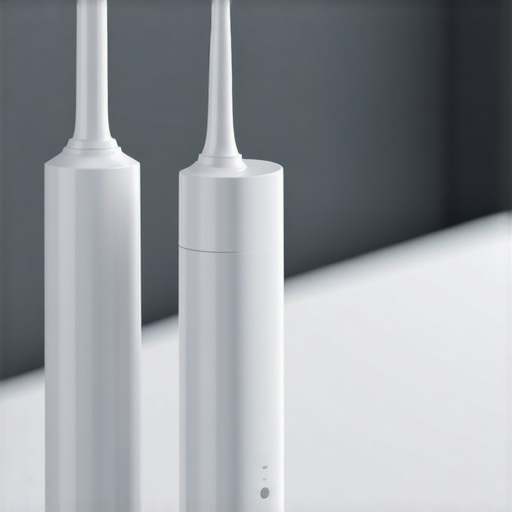
First and foremost, the electric toothbrush has been a game-changer. I personally use the Oral-B Genius series because of its oscillating-rotating technology, which has proven to remove plaque more effectively than manual brushes. The timer feature ensures I brush for the recommended two minutes, promoting thorough cleaning and preventing gum recession caused by aggressive scrubbing. Regularly replacing the brush head—every three months—is crucial, and many forget this simple maintenance step.
For those with sensitive gums or undergoing cosmetic work like veneers or bonding, incorporating a water flosser such as the Waterpik Water Flosser has made a noticeable difference. It penetrates hard-to-reach areas and gently dislodges debris, reducing the risk of periodontal issues. I find its pulsating jet helps prevent bleeding gums and enhances the longevity of my dental investments. To fine-tune this routine, use the lowest pressure setting initially, then gradually increase as tolerated.
In addition, interdental brushes are invaluable for cleaning between teeth where regular floss might be less effective. I prefer the TePe angled interdental brush because of its compact size and ergonomic grip. When properly used—gently inserting the brush between teeth—you can avoid damaging delicate gingival tissues. Remember, consistency is vital, especially for those with braces or implants.
For cosmetic procedures, employing professional-grade whitening kits like Philips Zoom at-home kits can preserve your smile from stains. I recommend consulting your dentist to select the right shade and whitening agent, ensuring safety and effectiveness. Follow the detailed instructions, and avoid overusing products to prevent enamel sensitivity.
Long-term success hinges on regular professional check-ups. Scheduling biannual cleanings with your dentist ensures that tools like X-rays and digital assessments target developing issues early. Modern equipment with high-resolution imaging, such as intraoral scanners, enables precise monitoring of your oral health status, preventing problems before they escalate.
Prediction for the future points toward integration of digital tools—like AI-powered diagnostics—that can personalize your maintenance schedule. Embracing these innovations will make it easier to stay proactive rather than reactive concerning your oral health.
How do I maintain my dental tools over time?
Proper care of your tools prolongs their effectiveness and prevents bacterial buildup. Rinse toothbrushes and interdental brushes thoroughly after use, and allow them to air dry in a clean, open space. Water flossers should be cleaned with a vinegar solution monthly to prevent mold or mineral deposits. For more in-depth advice, explore these professional maintenance tips.
In conclusion, investing in quality tools and understanding their proper maintenance creates a solid foundation for lasting oral health and radiant cosmetic results. Try out a water flosser or upgrade to an electric toothbrush today—your smile will thank you!
Lessons That Changed My Approach to Smile Care
- Patience Is Powerful: I used to expect instant results from cosmetic procedures, but I learned that consistent care and patience lead to the most natural and lasting smile improvements. Rushing can neg#ect details that matter.
- Less Is More: Over-tweaking my routine with too many products only caused sensitivities. Simplifying to effective essentials like proper brushing and professional check-ups made a huge difference in my oral health journey.
- The Trick of Regular Visits: I underestimated the value of periodic professional evaluations. Spotting issues early saved me from costly repairs later and kept my smile shining.
Tools I Swear By for Lifelong Smiles
- High-Quality Electric Toothbrush: It revolutionized my cleaning routine. I trust the Oral-B Genius series because of its efficacy and gentle touch, which keeps even sensitive gums protected. Proper brushing technique transcends brand—educate yourself with guides like this detailed resource.
- Water Flosser: My secret weapon against plaque and gum issues, especially around tricky areas. I recommend a moderate pressure setting for comfort and effectiveness.
- interdental Brushes: Compact, efficient, and gentle—perfect for maintaining between appointments. Consistency is the key, particularly for those with braces or implants.
- Professional Whitening Kits: My go-to for touch-ups. Always consult your dentist first to select a safe and suitable option. Trust expert advice over DIY shortcuts to prevent sensitivity and damage.
What If You Take the First Step Today?
Remember, your smile is a mirror of your overall confidence and health. Embracing smarter choices in cosmetic and family dentistry can truly transform your outlook. Initiate that appointment, invest in reliable tools, and dive into your journey toward a healthier, more radiant smile. You deserve it—so why wait?
Have you ever hesitated to try new dental techniques? Share your experience in the comments below, and let’s learn from each other’s stories!
**[Note: For further insights into innovative cosmetic dentistry options, visit this guide.]**