
I remember the moment vividly: my toddler squirming like a fish on a line, tiny fists pounding the chair, and my frustration mounting as I desperately tried to keep her still long enough for the dentist to do a simple cleaning. It felt like an impossible mission. If you’ve faced this battle, you’re not alone. Many parents struggle to keep their little ones calm during dental visits, and I want to share what finally worked for us.
So today, we’re diving into the *secret* to getting your toddler to sit still for an entire teeth cleaning. Believe me, it’s not about forcing or bribing. It’s about understanding your child’s fears, turning the experience into a positive adventure, and employing practical strategies that actually make a difference.
Why is it so hard to keep a toddler still at the dentist?
Children are naturally curious, energetic, and easily distracted. Plus, the dental office can be a strange, loud, and sometimes intimidating environment. Early on, I made the mistake of assuming that a little bribe—like a sticker—was enough to keep her still. Turns out, that only works temporarily. What’s more, forcing her to stay put heightened her anxiety, making the next visit even more challenging.
According to pediatric dentistry research, children who have a positive attitude about dental visits are more cooperative and less anxious over time. The key is creating a situation where your child feels safe, in control, and engaged.
If you’re nodding along, wondering how I managed to turn the tide, you’re in the right place. We’ll explore proven tactics, backed by both expert advice and personal trial and error.
Have you ever faced a meltdown at the dentist that left you feeling helpless? Maybe your child screams, refuses to open their mouth, or simply refuses to sit still. Trust me, I’ve been there too, and I’ve found some effective solutions that can help avoid those stressful moments.
Before we jump into practical tips, I want to acknowledge one mistake I made early on. Instead of asking myself how to make the experience enjoyable, I focused solely on compliance. This led to more resistance. Building trust and making dental visits feel safe makes all the difference, and that’s what I’ll show you next.
Get Comfortable Before the Appointment
Begin by visiting the dental office ahead of time to familiarize your child with the environment. Take a casual tour, show them the friendly staff, and let them explore dental tools behind glass. When I did this with my daughter, she touched the shiny mirror and giggled—this reduced her fear when the real appointment arrived.
Use Short, Clear Explanations
Tell your child what will happen in simple terms, like Many people believe that visiting the dentist only when there’s a problem, like a toothache, is sufficient for maintaining good oral health. In reality, this misconception overlooks the importance of regular preventive care, which can save you money and discomfort in the long run. For instance, routine teeth cleanings are often undervalued; they not only remove plaque but also help detect early signs of cavities or gum disease that might otherwise go unnoticed. Furthermore, many assume cosmetic dentistry is purely superficial, but advancements like minimal-invasive veneers and whitening techniques can significantly boost self-confidence and overall wellbeing when appropriately integrated into a comprehensive oral health plan.
A common trap is the misconception that all dental procedures are equally invasive or risky. This can lead to unnecessary anxiety or avoidance of necessary treatments. In fact, modern family dentistry emphasizes minimally invasive techniques, prioritizing patient comfort and preservation of natural tooth structure. For example, resin-based restorations now offer durable, less intrusive alternatives to traditional amalgam fillings, highlighting how technological advancements continue to reshape our approach.
**Are you aware of the subtle factors that can influence your family’s oral health beyond brushing and flossing daily?** Understanding these nuances can be the key to preventing serious issues before they escalate.
One such nuance is the role of saliva in oral health. Often overlooked, saliva acts as a natural cleanser by neutralizing acids and aiding in remineralization of enamel. Conditions like dry mouth may seem minor but can drastically increase cavity risk if not addressed. Additionally, dietary habits, like frequent snacking on sugary or acidic foods, subtly undermine the effectiveness of regular brushing. It’s a common mistake to think that brushing alone can compensate for a poor diet; integrating nutritional awareness into your family’s routine can make a real difference.
Another advanced misconception revolves around cosmetic treatments, which many perceive as purely aesthetic. However, procedures such as bonding or contouring can improve bite function, prevent tooth wear, and reduce sensitivity when used correctly. For example, understanding the latest trends—like contouring veneers that emulate natural enamel without removing excessive tooth material—can help you make informed choices aligned with your long-term oral health goals. To stay ahead, explore current trends in cosmetic dentistry, which are often intertwined with functional benefits.
**Beware of the pitfalls:** some individuals skip regular check-ups assuming they are unnecessary if no symptoms exist. This oversight can lead to missed early detection of decay or gum issues, resulting in more invasive procedures later. As highlighted in studies by the American Dental Association, consistent preventive visits are effective in maintaining oral health and saving costs over time. To learn more about maintaining your family’s oral health effectively, check out our comprehensive guide on [top secrets to perfect oral health as a family](https://gentlesmiledentist.com/top-5-secrets-to-maintaining-perfect-oral-health-as-a-family).
In the realm of family dentistry, staying informed about the subtle, often unnoticed factors is crucial. Have you ever fallen into this trap? Let me know in the comments.Maintaining excellent oral health over the long term requires the right tools and techniques. I personally rely on a combination of advanced equipment and smart routines to ensure my family’s teeth stay healthy and bright. A high-quality electric toothbrush, like the Oral-B GeniusX, is my go-to for effective plaque removal, especially because it has features that remind my kids to brush thoroughly. Pairing this with soft, textured floss and a water flosser such as Waterpik’s Cordless Oral Irrigator allows me to reach tricky spots and prevent gum disease—something often overlooked in family routines. Personalizing a gentle, fluoride-rich mouth rinse helps reinforce daily routines and addresses sensitive areas without causing discomfort. For schedule management, I use dental-specific apps like Dental Monitoring, which allows me to track my children’s oral health progress and receive professional advice remotely. These tools, combined with regular professional cleanings, create a proactive approach that minimizes cavities and promotes overall oral wellness. Looking forward, the integration of smart technology, such as AI-enabled toothbrushes and oral health apps, will further personalize and optimize family dental care, making maintenance easier and more effective at home. Want to learn how to keep your family’s smile thriving? Start by investing in a good electric toothbrush and adopting consistent daily habits. For more expert tips on long-term oral health strategies, visit our article on [maintaining oral health over a lifetime](https://gentlesmiledentist.com/maintaining-oral-health-expert-advice-for-a-lifetime-of-healthy-teeth). Remember, the key is consistency and the right tools—so find what works best for your family and stick with it!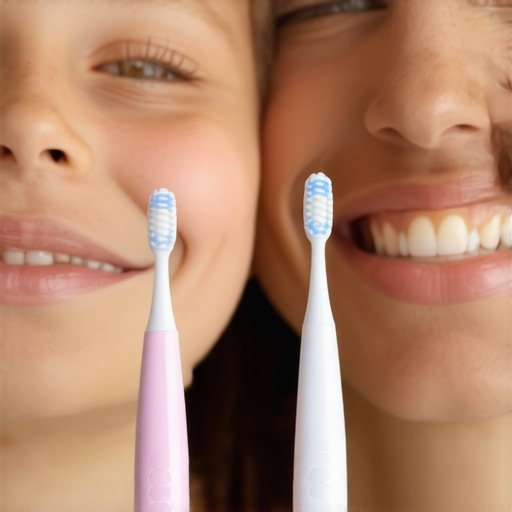 Through my years of navigating family dentistry, I’ve discovered that the most profound lessons often come from our mistakes and surprises. One lightbulb moment was realizing that consistency beats perfection—building a routine that patients and families can comfortably stick to makes all the difference. I also learned that addressing fears with patience and education can turn a hesitant patient into a smile enthusiast. Experimenting with new cosmetic techniques taught me that a personalized approach, rather than a one-size-fits-all, creates the most natural and confident smiles. Lastly, I found that fostering open communication and trust with patients not only improves their oral health but also cultivates lifelong relationships grounded in genuine care.