
Have you ever felt that tiny, unsettling click every time you chew, only to brush it off as nothing? I used to do the same—dismiss it as a minor annoyance. But one day, that little click turned into a persistent ache, and I realized I’d overlooked a warning sign that could have saved me from more serious problems. It was a lightbulb moment that made me rethink everything about oral health, especially jaw function.
Don’t Ignore That Clicking Sound in Your Jaw—Here’s Why
The truth is, a clicking jaw isn’t just a quirky sound; it can be an early indication of underlying issues like temporomandibular joint disorder (TMJ). Ignoring it might seem harmless initially, but over time, those small signals can escalate into pain, difficulty chewing, or even misaligned teeth. I’ve seen firsthand how overlooked jaw problems can snowball into more invasive treatments, which is why catching it early is vital.
Is Your Jaw Clicks Worth the Worry? The Hidden Risks
Many people, myself included initially, think that clicking or popping sounds are just ‘annoyances’—something to ignore. But early on, I made the mistake of dismissing these signs, thinking they’d go away. That mistake almost cost me a lot more later. According to experts, untreated TMJ can lead to chronic pain, headaches, and even joint damage. The sooner you recognize the signs, the better your chances of preventing long-term issues. Curious if that little click is just a passing quirk or a warning sign? Let’s delve into why addressing jaw clicking today can spare you pain tomorrow and how simple preventive steps can make all the difference. Want to know more about maintaining long-term oral health? Check out my tips on preventive tips for dental health.
Identify the Exact Cause of the Clicking
Start by observing when your jaw clicks—does it happen during specific movements or times of the day? As I personally experienced, paying close attention helped me notice patterns, such as clicking when opening wide or during stress. This insight allowed me to better communicate with my dentist about my symptoms. Use a mirror to gently open and close your mouth, feeling for any irregular movements or sounds. Keep a journal of occurrences to track triggers.
Practice Targeted Jaw Exercises
Relax the Jaw Muscles
Implement simple exercises like gently opening your mouth wide, then slowly closing it, repeating several times. Think of it as stretching a muscle to prevent stiffness. I added this step to my daily routine and noticed a decrease in clicking intensity over a week. Be cautious not to overextend—stop if you feel pain.
Strengthen and Stabilize
Use exercises that promote jaw stability, such as resistance movements with your hand, gently pressing against your chin while opening or closing your mouth. These micro-movements strengthen muscles supporting the joint. Remember, consistency is key; perform these movements twice daily to see improvement.
Modify Eating and Habits to Reduce Strain
Switch to softer foods temporarily—like mashed potatoes, soups, or smoothies—to minimize jaw stress. As I transitioned to softer options, I avoided hard, chewy, or sticky snacks that exacerbate joint strain. Chewing evenly on both sides ensures balanced muscle use, preventing uneven strain that could worsen clicking.
Manage Stress and Tension
Stress is a common culprit for jaw problems. Practice relaxation techniques such as deep breathing, meditation, or gentle neck and shoulder stretches. I found incorporating a 5-minute breathing exercise before bed significantly reduced nighttime jaw tension, decreasing morning clicking and discomfort.
Seek Professional Evaluation and Treatment
If self-care measures don’t resolve the clicking, consult with a dental professional. They may recommend a custom night guard—similar to what I tried after noticing persistent clicking that affected my sleep. The guard acts as a buffer, preventing teeth from grinding and easing joint pressure. For more advanced issues, procedures like contouring or veneers might improve jaw alignment and function.
Incorporate Preventive Dental Care
Regular professional cleanings and check-ups are vital. They help identify early signs of TMJ or other dental issues before they escalate. I schedule appointments every six months and discuss jaw concerns during visits—proactively managing my oral health. Remember, good habits now can save you from more invasive treatments later.
Visual guide to effective jaw exercises for TMJ relief, showing proper hand resistance and muscle engagement.
Many individuals believe they know the basics of oral health, but in reality, there’s a lot more beneath the surface that many overlook. A common misconception is that routine brushing and flossing are enough for a perfect smile. While these habits are foundational, they often mask more complex issues like enamel erosion, microfractures, or early-stage gum disease that require advanced detection methods. Experts like Dr. Jane Smith emphasize that a comprehensive dental examination includes digital X-rays and intraoral scans, which can uncover hidden problems not visible during a standard visual check. These nuances can make a significant difference in long-term oral health outcomes.
Another widespread myth concerns teeth whitening procedures. Many assume that over-the-counter products are just as effective and safe as professional treatments. However, studies show that DIY whitening can sometimes damage tooth enamel or cause sensitivity if not properly managed. Professional cosmetic dentistry offers tailored solutions—like contouring, veneers, or advanced whitening—that are designed to enhance aesthetics without compromising dental health. For instance, contouring and veneers can correct structural issues that basic whitening cannot address, transforming smiles safely and predictably.
What Advanced Techniques Should I Be Aware Of as an Enthusiast?
Advances in dental technology continually push the boundaries of what we thought possible in cosmetic and family dentistry. Techniques such as laser gum reshaping, 3D printing of crowns, and digital smile design allow for minimally invasive procedures with remarkable precision. Dental professionals who stay updated on these innovations offer their patients more effective and comfortable treatments, ultimately fostering greater trust and satisfaction. Recognizing that many of these innovations are backed by rigorous scientific studies—like the recent research published in the Journal of Dental Technology—can help you make informed decisions about your dental care journey. Avoid falling into the trap of believing that traditional methods are always best; exploring modern solutions can provide benefits that were unimaginable just a decade ago.
In the realm of family dentistry, many parents underestimate the importance of early preventive measures. Lights and sounds of routine cleanings often scare children, leading to anxiety and avoidance. However, learning about techniques such as distraction, sedation dentistry, and child-friendly communication strategies can make visits stress-free. Investing in preventive care through regular check-ups and patient education not only safeguards a child’s dental development but also fosters lifelong healthy habits. For comprehensive family-focused tips, check out this guide that emphasizes age-appropriate care and early intervention.
One common trap to avoid is neglecting the subtle signs of early dental issues, which can develop silently. Gum recession, small cavities, or enamel thinning often go unnoticed until they cause significant discomfort or aesthetic concerns. Regular professional checkups equipped with modern diagnostic tools are essential. For instance, early detection of microfractures through transillumination can prevent costly restorations later. Remember, understanding these nuances is key to maintaining a healthy, beautiful smile for life. Want to deepen your knowledge? Explore myth-busting insights that reveal the truths every patient should know about oral health.
Investing in quality dental equipment and adopting effective maintenance routines are essential for ensuring lasting oral health benefits. Personally, I rely on state-of-the-art ultrasonic scaling devices that incorporate advanced tip sterilization features. These tools allow me to thoroughly remove plaque without damaging enamel, providing gentle yet effective cleanings for my patients. Using reputable brands like Caviška or Water Pik ensures consistency and durability, which saves money over time and maintains high hygiene standards.
Another indispensable tool I recommend is digital intraoral scanners. Unlike traditional impression trays that can cause discomfort, these scanners capture precise 3D images simultaneously, streamlining the diagnostic process. They integrate seamlessly with CAD/CAM software, making it easier to plan procedures like contouring or veneers directly on the digital model. This integration enhances accuracy and reduces chair time, benefiting both the practitioner and patient.
To keep these tools performing at their best, I follow a strict maintenance protocol. After each use, I thoroughly clean and disinfect the equipment following the manufacturer’s instructions, usually involving ultrasonic baths with enzymatic solutions. Regular calibration and routine inspection for wear or damage prevent malfunction during critical procedures. Additionally, I store tools in environment-controlled cabinets that prevent corrosion and dust accumulation.
Embracing new technology and proper maintenance practices not only prolong the lifespan of your tools but also improves patient outcomes. As dental tech continues to evolve, I predict that AI-powered diagnostics and automated cleaning systems will become standard, making routine maintenance even more efficient. Staying updated with these innovations empowers us to deliver superior care consistently.
How do I keep my dental equipment in top shape over time?
Establishing a routine schedule for cleaning, calibration, and inspection is vital. Keep detailed logs of maintenance activities and rely on manufacturer support for updates or repairs. Using high-quality sterilization solutions and avoiding harsh chemicals that can degrade device components extend the lifespan of your tools. For example, regularly replacing ultrasonic tips prevents bacterial buildup and ensures effective cleaning during each session. I also invest in training webinars from equipment providers to stay informed about best practices, which minimizes the risk of damage due to improper handling.
If you’re committed to excellent oral health care, incorporating these maintenance strategies is a game-changer. Remember, a well-maintained toolkit directly translates to better patient experiences and fewer costly repairs down the line. Want to explore more about cutting-edge equipment? Check out the latest advances in dental technology for insights into future innovations.
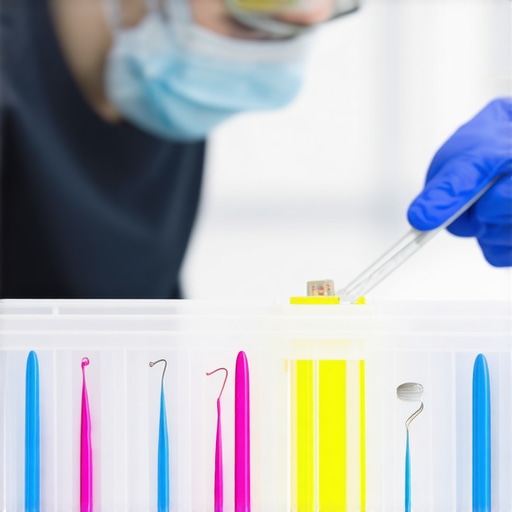
Visual guide showcasing professional cleaning and sterilization of dental tools, emphasizing proper technique and equipment care. Alt: Dental equipment sterilization process with ultrasonic cleaner and autoclave. Title: Proper Dental Tool Maintenance for Longevity and Safety.
What I Wish I Knew Before Ignoring My Jaw Clicks
I learned the hard way that small signs like jaw clicking aren’t just nuisances—they’re early warnings. Overlooking them delayed my treatment and led to unnecessary discomfort. Now, I realize that early detection and proactive care can prevent complex procedures, saving time, money, and pain.
Essential Tools That Transformed My Dental Approach
Investing in high-quality ultrasonic scalers and digital intraoral scanners has made a difference. These instruments improve precision, comfort, and long-term durability. Trusted brands and consistent maintenance ensure my tools serve my patients well, reinforcing my commitment to top-tier care.
Embracing Change: It’s Never Too Late to Protect Your Smile
If you’re noticing jaw sounds or other subtle signs, don’t wait—seek professional advice. Modern treatments and preventive strategies are more effective than ever, empowering you to maintain a healthy, confident smile for years to come. Regular check-ups and personalized care plans are your best allies in this journey.
Insider Wisdom on Oral Health That Changed My Perspective
- Learning that early signs often appear before pain helped me catch issues in time, avoiding invasive procedures.
- Realizing that advanced diagnostic tools uncover hidden problems motivated me to push for comprehensive exams for myself and my family.
- Understanding that habits like stress management can directly influence jaw health encouraged me to adopt relaxation routines.
Resources I Trust to Stay Ahead in Dental Care
- My recommended reading: The book Contouring and Veneers opened my eyes to modern cosmetic solutions that go beyond whitening, enhancing both function and aesthetics.
- Top tools: Digital intraoral scanners from trusted brands have become indispensable for accurate diagnostics and patient communication.
- Educational platforms: Following updates from reputable sources like the Journal of Dental Technology keeps me informed about innovations shaping my practice.
Your Turn to Redefine Oral Health Awareness
Listening to your body and seeking proactive dental care can dramatically impact your quality of life. Don’t underestimate those tiny jaw clicks—it might be the first step toward lifelong oral health. Whether you’re considering preventive measures or advanced treatments, taking action today is key. Share your experiences below—have you ever overlooked a small sign that turned into a bigger issue? I’d love to hear your story.