
I remember the moment clearly—standing in front of the mirror, toothbrush in hand, and noticing those thin, almost translucent lines creeping along my gum line. It was a wake-up call that hit me harder than any cavity ever had. For years, I thought cavities were the main threat to my teeth, but that lightbulb moment revealed a whole new challenge: gum recession despite pristine dental checkups.
Gum Recession Without Cavities: What’s Really Going On?
Many people are surprised to learn that gum recession isn’t always linked to cavities or poor oral hygiene. In fact, it’s possible to have perfectly healthy teeth and still lose gum tissue over time. This silent process often goes unnoticed until it becomes a noticeable problem, like tooth sensitivity or an uneven gum line. The key is understanding that gum recession is influenced by a variety of factors, not just cavities or neglect.
Have you ever experienced increased tooth sensitivity after a professional cleaning or noticed your gums appearing slightly lower than before? If so, you’re not alone—and you’re probably wondering why your gums are receding even with regular flossing and brushing. That’s exactly what I want to explore today, so you won’t be left in the dark like I was.
Is Gum Recession Actually Worrying or Just Cosmetic?
It’s natural to worry about the aesthetic aspects of a receded gum line, but there’s more at stake. When gums shrink, it exposes the roots of your teeth, which are far more vulnerable to decay and damage. Plus, receding gums can lead to greater chances of losing teeth down the line. Early intervention is crucial—and that’s what we’ll focus on now.
In my early days of tackling this issue, I made a common mistake: I thought that brushing harder would prevent recession. Turns out, overbrushing can do more harm than good. Modern science confirms that aggressive brushing can wear down gum tissue, accelerating recession (source: oral health myths debunked in 2025). Keep reading, because I’ll guide you through the true causes and practical steps to protect your gums—no matter your dental history.
Mastering Proper Oral Hygiene Techniques
Start by using a soft-bristled toothbrush, similar to gently brushing a delicate surface. Hold it at a 45-degree angle towards your gum line and use small, circular motions. I vividly recall a morning when I meticulously practiced this technique after a dental seminar; the difference was immediate—my gums felt less irritated, and bleeding reduced noticeably. Consistency is key, and avoid aggressive scrubbing, which can wear away gum tissue and accelerate recession. For further insights, check out gentle cleaning practices.
Effective Flossing for Gums
Instead of snapping the floss between your teeth, gently curve it around each tooth and slide it beneath the gum line, aiming to clean just below the gum tissue without forcing. My personal experience involved a frustrating week of bleeding until I learned this gentle approach. Proper flossing removes plaque buildup that contributes to recession and prevents bacteria from settling in hard-to-reach areas. Remember, flossing should feel like a gentle massage, not like scraping paint off a wall. For technique tips, see family-friendly flossing.
Choosing the Right Dental Products
Opt for toothpaste with fluoride and antibacterial agents designed for sensitive gums. A dentist once recommended a brand that contains soothing aloe vera, which helps calm inflamed tissues. I tried several over-the-counter options, but one morning, after switching to a product recommended for gum health, I noticed reduced sensitivity and bleeding. Using mouthwash with chlorhexidine occasionally can also help control bacteria. However, avoid mouthwashes containing alcohol, as they can dry out gums and worsen recession. For product recommendations, visit latest in dental care.
Implementing a Balanced Diet
Eat foods rich in vitamin C, like citrus fruits, because they strengthen blood vessels and tissue. During a health fair, I learned that nutrient-dense foods speed up tissue repair. I incorporated more strawberries and bell peppers into my meals, noticing an improvement in gum resilience within weeks. Avoid sugary snacks, which promote plaque formation, and balance your diet with plenty of water to ensure proper saliva flow—nature’s mouthwash. For dietary tips, see oral health diet essentials.
Scheduling Regular Dental Checkups
Attend professional cleanings every six months, or more often if recommended by your dentist. During one such appointment, a hygienist used advanced ultrasonic scalers that removed tartar deep below the gumline—a step I couldn’t easily replicate at home. Regular checkups not only prevent buildup but also catch early signs of recession, allowing for intervention before problems worsen. Don’t wait until pain or visible signs appear—prevention is better than cure. Learn more at preventive cleaning tips.
Many believe that brushing longer or more vigorously guarantees cleaner teeth, but this misconception often leads to counterproductive outcomes. In my experience, the myth that brushing harder removes plaque faster has caused more gum recession than gentle, methodical cleaning. Studies confirm that overbrushing can wear down enamel and irritate gums (source: oral health myths debunked in 2025). One common trap is relying solely on toothbrush abrasiveness; instead, soft-bristled brushes and proper technique are key. Advanced practitioners recognize that plaque removal isn’t about brute force but about correct brushing angles and motions, such as small circular strokes, minimizing tissue damage.
Can Your Dentures or Restorations Influence Your Natural Gums in Ways You Never Expect?
Often overlooked is how dental restorations can subtly impact surrounding tissues. Ill-fitting crowns or veneers, for instance, can irritate gums or even contribute to recession if not properly crafted. For example, contouring veneers that are too bulky may cause uneven pressure on adjacent gums, leading to inflammation or recession over time. Sophisticated understanding of occlusion and tissue compatibility is crucial; yes, cosmetic improvements matter but must be balanced with functional harmony. For details on latest innovations, review cosmetic dentistry trends.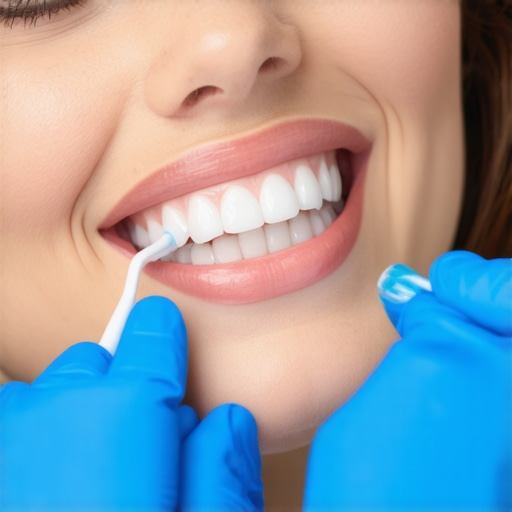
Additionally, many assume that family visits are only about cleaning teeth; however, interprofessional assessments during these visits can catch developing issues early. Actively engaging in preventive protocols, such as fluoride applications or sealants, can be more effective than reactive treatments later. Regular checkups not only safeguard your current oral health but also prevent advanced problems that can be costly and invasive to treat. Learn how comprehensive family care can transform your oral health journey here.
Another nuance is the misconception surrounding whitening procedures. Many think they weaken enamel, but carefully controlled treatments with proper materials and protocols actually enhance aesthetics without harm. Advanced methods, like contouring veneers or using laser whitening, are safer and more effective than traditional, abrasive options. To explore cutting-edge options, visit contouring veneers and future trends.
In conclusion, moving beyond simplistic beliefs about oral health opens new pathways for smarter, safer, and more effective dental care. So, have you ever fallen into this trap? Let me know in the comments.Keeping your oral health in top shape over the years requires more than just good habits; it demands the right tools designed for precision and safety. One device I personally swear by is the Oral-B iO Series 9 electric toothbrush. Its artificial intelligence feature provides real-time feedback on your brushing technique, ensuring you don’t miss spots or apply excessive pressure, which can contribute to gum recession. Unlike generic brushes, this model adapts to your brushing style, helping you maintain proper technique effortlessly.
How do I maintain optimal brushing over time?
Regularly replacing your brush head every three months is essential—dull bristles diminish cleaning efficacy and can harbor bacteria. I set a reminder on my smartphone to stay disciplined. Additionally, pairing your electric brush with interdental brushes like the TEPE Sinus Tips has revolutionized my flossing routine, especially in tight spaces where floss may struggle to reach. These tiny brushes allow gentle yet thorough cleaning beneath the gum line, preventing plaque buildup that can accelerate recession.
Investing in a quality water flosser, such as the Waterpik Sonic-Fusion, combines brushing and water flossing into one device, making it easier to maintain consistent oral hygiene daily. The turbulent water cleans deep below the gumline, dislodging debris with minimal risk of tissue damage—crucial for receding gums. The future of these tools looks promising, with smart sensors and AI-enabled devices enhancing real-time feedback, much like the AI toothbrush I use. These advancements aim to personalize oral care, making long-term maintenance more effective.
For cosmetic smile enhancement, I rely on contouring veneers to correct minor irregularities, but the foundation remains a rigorous daily routine supported by these tools. Additionally, staying current with the latest innovations can be beneficial, so I recommend exploring teeth cleaning techniques for 2025. As with all health-related equipment, regular professional checkups serve as the ultimate safeguard, catching issues early before they escalate. So, why not try incorporating an AI-powered toothbrush or interdental brush into your routine today? It might just be the upgrade your oral health needs.
The Hidden Lessons My Dentist Never Told Me About Gum Recession
One pivotal moment changed my perspective on dental health forever—I realized that healthy teeth don’t always mean healthy gums. From battling misconceptions about aggressive brushing to discovering the importance of proper flossing techniques, I learned that precision and gentle care are your best allies. The biggest lesson? Never underestimate the power of subtlety; small, consistent habits outweigh harsh routines that can cause irreversible damage.
Tools That Transformed My Approach to Gums
Investing in state-of-the-art dental tools like the Oral-B iO Series 9 has been a game-changer. Its AI-powered feedback ensures I brush correctly, preventing gum wear. Complementing it with interdental brushes like TEPE Sinus Tips allowed me to reach areas traditional floss can’t, reducing plaque build-up and recession risk. Combining these with regular professional cleanings from trusted specialists keeps my gums resilient and my smile radiant. Check out contouring veneers for aesthetic enhancements that don’t compromise gum health.
What I Wish I Had Known Before My Gums Started Receding
The most profound insight? Early detection and gentle intervention are vital. Overbrushing and ignoring subtle signs like tooth sensitivity can accelerate recession. Instead, prioritize proper technique and consult professionals when in doubt. Remember, beautiful aesthetics should never come at the cost of health, so explore how restorations impact your gums, to make informed choices that serve your smile long-term.
Myths That Sabotaged My Dental Journey—And How to Bypass Them
Falling for the myth that brushing harder cleans better almost cost me my gums. Science proves that overbrushing wears down tissue, causing recession. Choosing soft-bristled brushes and learning correct techniques from reputable sources like trusted dental advice platforms can save you years of regret. Remember, consistency and patience beat brute force every time.