
It was a story I heard far too often—moms and dads calling me in a panic, their eyes wide with worry. One evening, during a routine bedtime, I noticed my own child’s gums looked unusually dark, almost purple, right where a new tooth was breaking through. My heart sank. At first, I thought, “Is this normal? Should I be rushing to the emergency room?” That moment was a lightbulb for me. I realized how confusing and frightening it can be when you see such unusual changes in your child’s mouth.
Understanding the Color Change: What Purple Gums Really Mean
If your child’s gums look purple or darker than usual during teething, you’re not alone, and you’re not imagining things. This discoloration is often caused by increased blood flow or minor inflammation as the new tooth pushes through. It’s a natural part of the teething process, especially in infants and young children, whose delicate blood vessels respond to emerging teeth with a burst of circulation.
However, it’s also essential to differentiate between normal discoloration and signs of underlying issues like gum bleeding, infection, or trauma. Early on, I made the mistake of dismissing some of these color changes as simply teething, which sometimes delayed seeking professional advice. According to dental experts, a healthy, young child’s gums might darken slightly during eruption due to blood vessel activity, but persistent swelling, bleeding, or changes in color beyond purple could be signs that something more requires attention. For comprehensive guidance on maintaining your child’s oral health, check out this family dentistry resource.
Is the Purple Color Actually Worth Worrying About?
Honestly, I’ve learned to trust my instincts. While some darkening during teething is normal, I advise parents to observe if the gums seem swollen, tender, or if bleeding occurs. If you notice these symptoms, it’s best to consult with a Pediatric Dentist to rule out infections or other issues.
As parents, we often worry about the smallest changes in our little ones’ health. Remember, your child’s body is adjusting and growing rapidly. For more tips on how to keep your child’s teething comfortable and safe, visit this helpful guide.
What This Means for You
Knowing the difference between normal and abnormal signs during teething can save you a lot of stress and unnecessary trips to the doctor. In the upcoming sections, I promise to walk you through practical, gentle tips that can help soothe your child’s gums and when to seek professional support. Because a happy, healthy smile begins with understanding and the right care—something I’ve learned firsthand as both a parent and dental professional.
If you’ve ever stared at your child’s purple gums and wondered if it’s something serious, take a deep breath. You’re in the right place. Let’s explore the signs that reassure us it’s just teething, and when it’s time to see the dentist for peace of mind.
Keep a Close Eye on Gum Changes
Start by observing your child’s gums regularly, especially during teething. Use a soft, clean finger or a gauze pad to gently feel the gums, noting any persistent darkness, swelling, or tenderness. I remember a morning I felt my son’s gums and noticed a dark purple patch that hadn’t faded after a few hours. Recognizing this early prompted a quick consultation, preventing potential complications.
Maintain Oral Hygiene with Care
Gently clean your child’s gums twice daily with a damp, soft cloth or a pediatric toothbrush designed for infants. This helps reduce bacteria and inflammation, which can exacerbate discoloration. I once used a wet gauze to clean my baby’s gums post-feeding — it was messy but effective, making the gums calmer and more pink afterward.
Use the Right Tools and Techniques
Opt for a smear of fluoride-free toothpaste or just water for infants. Be cautious not to scrub aggressively; gentle circles are enough. Remember, over-hygienic practices can irritate sensitive gums, so always be gentle. When my daughter started teething, I found that massaging her gums with a chilled, clean finger provided immediate relief—a simple but powerful technique.
Apply Teething Relief Safely
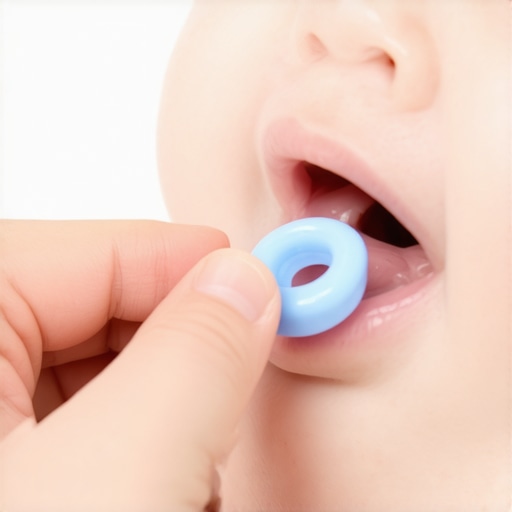
Chilled (not frozen) teething rings can soothe discomfort. Ensure they’re made from safe, non-toxic materials. I froze a teething ring lightly, then offered it to my baby; this helped reduce inflammation while calming her irritated gums. Always supervise to prevent choking or breakage.
Address Discoloration with Professional Guidance
If purple or dark patches persist beyond a few days, or if the gums become swollen, tender, or bleed, schedule a visit with a pediatric dentist. Think of it like a car warning light — while some signs are normal, others signal the need for expert diagnosis to avoid serious issues. I learned this firsthand when a dark spot didn’t fade; a quick dental check assured me it was harmless, but it could have been something more if ignored.
Limit or Avoid Certain Foods
Avoid foods that can stain or irritate the gums, like sugary candies or acidic fruits. Instead, offer cold, soft foods that are easy on sensitive gums. During my child’s teething phase, I served chilled applesauce and yogurt, which were gentle on the gums and helped maintain nutrition without discomfort.
Maintain Consistency and Patience
Teething is a process that varies among children. Consistent gentle cleaning, appropriate relief methods, and regular dental checks form the foundation of managing purple gums safely. Remember, patience is key—each child’s teeth come through at their own pace, with some showing discoloration for a few days before normalizing.
 Many believe that regular brushing and flossing alone ensure lifelong dental health, but the reality is far more nuanced. A common misconception is that teeth whitening and cosmetic procedures are purely superficial and lack long-term benefits. In truth, advances in cosmetic dentistry, such as [contouring, veneers, and teeth whitening](https://gentlesmiledentist.com/cosmetic-dentistry-innovations-you-cant-miss-this-year), can dramatically boost confidence and even improve oral function when performed correctly.However, a paradox exists: some practitioners overpromise quick fixes, leading patients to pursue treatments that are unnecessary or poorly suited to their needs. For instance, choosing aggressive bleaching without understanding enamel health can result in sensitivity or damage, which is an advanced mistake often overlooked by patients eager for instant results. One hidden nuance is that not all stains respond equally; deep stains may require more than just over-the-counter kits, as [professional teeth whitening](https://gentlesmiledentist.com/the-science-behind-teeth-whitening-achieve-stunning-results-fast) ensures safety and efficacy.
When it comes to teeth cleaning, many think that more frequent professional cleanings are always better. However, over-cleaning or improper techniques can harm gums, especially in sensitive cases. The key is personalized care, tailored to your unique oral health status. Additionally, many forget that family dentistry is not just about cavities; it involves early detection of misalignments, bite issues, and developmental concerns that influence lifelong health.
***Why do some advanced dental procedures fail to deliver the promised results?*** This question highlights critical considerations many overlook. For example, poorly planned crowns or veneers may look artificial or cause bite problems if not integrated properly. A comprehensive understanding of occlusion and ongoing maintenance is essential, which is why partnering with an experienced professional matters.
A specific trap to avoid is assuming that all cosmetic treatments are permanent or maintenance-free. Even durable materials like porcelain veneers require adjustments and replacements over time. Recognizing the importance of aftercare and regular check-ups—aligned with expert advice from reputable sources—can help preserve your investment and oral health long-term. For detailed insights, see [this guide on maintaining oral health for a lifetime](https://gentlesmiledentist.com/maintaining-oral-health-expert-advice-for-a-lifetime-of-healthy-teeth).
In summary, debunking myths about oral health involves understanding that every smile is unique and requires tailored strategies. Don’t fall for the trap of quick fixes or one-size-fits-all solutions—your teeth deserve expert care grounded in science. Have you ever fallen into this trap? Let me know in the comments, and stay tuned for tips on choosing the right dental professional for your needs.Maintaining your oral health over the long term requires not just good habits but also the right tools and systems. Personally, I rely on a combination of advanced oral hygiene devices and dedicated software to monitor progress and catch issues early.
Investing in the Right Equipment
I’ve found that a high-quality electric toothbrush with timers and pressure sensors, like the Sonicare DiamondClean, makes a tangible difference. The built-in timers ensure you brush for the recommended two minutes, while pressure sensors alert you if you’re brushing too hard, preventing gum recession. Additionally, water flossers such as the Waterpik Ultra provide superior plaque removal, especially in hard-to-reach areas, reducing the risk of cavities and gum disease over time.
Utilizing Dental Software for Tracking
Beyond physical tools, I recommend using dental health tracking apps. These apps allow you to log daily brushing, flossing, and mouthrinse routines, offering insights into your habits and reminding you of upcoming dental appointments. Some apps even allow photo documentation of your gums and teeth, which can be shared with your dentist for better ongoing care.
Regular Professional Check-Ups
No matter how diligent you are, professionally scheduled cleanings and exams are essential. As I highlighted in this article, routine cleanings help prevent major issues and catch problems early, saving you money and discomfort long-term. Regular visits also give your dentist a chance to guide you on personalized maintenance strategies, including new products or techniques specific to your needs.
Future of Dental Maintenance
Technologies such as AI-powered diagnostic tools and smart toothbrushes integrated with mobile apps are shaping the future of oral health care. They promise even more personalized, proactive maintenance routines, minimizing the risk of decay and periodontal disease. One promising innovation is the use of saliva-based diagnostics, which can detect early signs of systemic health issues linked to oral conditions, as discussed in recent research.
How do I maintain my dental tools and systems over time?
To ensure your tools remain effective, clean your electric toothbrush and flossers regularly according to manufacturer instructions. Replace toothbrush heads every three months, and clean dental appliances like mouthguards with mild soap and water after each use. Keep your apps updated to benefit from new features and security improvements. Remember, consistency is key; a small daily investment in quality tools and tracking can lead to a lifetime of healthy smiles. For a practical starting point, try pairing your current electric toothbrush with a dedicated app that tracks your routine, and observe the real difference over just a few weeks.
The Hidden Lessons Behind Every Teething Spot
Taking a step back, I realize that every unusual gum appearance felt like a personal mystery, revealing how much I had yet to learn about my child’s development. The most profound lesson was that trusting my instincts, combined with seeking professional advice when in doubt, truly safeguards my child’s health and eases my worries.
Another insight was that patience plays a pivotal role—understanding that teething signs, including purple gums, are often temporary and part of natural growth. Recognizing the signs of normalcy versus red flags allowed me to avoid unnecessary stress and interventions, emphasizing the importance of early observation and informed decision-making.
Throughout this experience, I discovered that connecting with trusted sources—like reputable dental resources—empowers me to act confidently. Not every change signals trouble, but being equipped with knowledge ensures I can differentiate a harmless phase from a warning sign, fostering a sense of control and reassurance.
My Favorite Tools for Supporting Young Smiles
Monitoring my child’s oral health became easier with a high-quality soft-bristled pediatric toothbrush and a gentle, fluoride-free toothpaste I trust from trustworthy brands. These tools help maintain oral hygiene while preventing irritation during sensitive teething periods. I also rely heavily on resources like family dental care tips to stay proactive and informed.
For tracking and scheduling, I use a simple app that reminds me of dental check-ups and helps record any changes I observe. This combination of physical tools and digital support keeps my child’s smile healthy and bright, reinforcing the critical role of consistency and early intervention.
Trust Your Heart, and Be Ready to Act
Remember, your child’s smile is more than just teeth—it’s a reflection of their overall well-being. Embracing the journey with care, curiosity, and professional guidance makes all the difference. Whether it’s recognizing normal discoloration during teething or acting swiftly on potential concerns, your attentiveness shapes a confident, healthy future for your little one.
If you’ve ever hesitated over a gum change, share your story below. Your experience might resonate with other parents navigating the same path, and together, we can foster a community rooted in informed, compassionate care.