
I still remember the morning I bit into my toast and felt that tiny, almost insignificant twinge in one of my molars. It wasn’t sharp or alarming—just enough to make me pause. Later that day, I noticed a strange taste when drinking my coffee. It was subtly different, but enough to unsettle me. That’s when it hit me: something was amiss with that filling, and I hadn’t even realized the signs were signaling trouble.
The Quiet Alarm: How Tiny Cues Reveal a Leaking Filling
This experience opened my eyes to how easily we overlook the subtle whispers from our teeth. A leaky filling doesn’t announce itself with loud pain or obvious symptoms. Instead, it gives tiny signals—sensitivity when biting or sipping hot or cold, a faint metallic taste, or small chips. Ignoring these signals can lead to bigger issues like decay or infection. I learned that being attuned to these early signs can save you from costly and uncomfortable dental procedures down the line.
The Power of Recognizing Early Signs
Understanding these signals is crucial. For example, tiny cracks near the edge of a filling can allow bacteria to sneak in, causing decay beneath the surface. A study in the Journal of Dentistry highlights that early detection of filling leaks can prevent extensive restorations. If you’ve ever experienced unexplained discomfort or odd tastes, it’s worth investigating. Early action can mean the difference between a simple repair and a root canal.
But how do you really know if your filling is about to leak? That’s what I’ll help you figure out.
What This Post Will Cover
Today, I’m sharing the practical signs to watch for and how to respond before minor issues snowball into major dental problems. No more waiting until pain becomes unbearable or the damage is done. Instead, you’ll learn to listen to your teeth’s quiet signals—these tiny clues could save your smile and your wallet.
Have you ever faced that unsettling feeling with a filling and wondered if it’s just in your head? Stick around, because recognizing these hidden signals is easier than you think, and I’ll guide you through every step.
Inspect Your Smile Regularly to Spot Early Signs
Start by making it a habit to examine your teeth in the mirror. Notice any new sensitivity when biting into foods, or if you experience a metallic taste. Use a soft mirror and a flashlight to look for cracks or chips around your fillings. For example, I once checked my back molars after noticing a slight difference in how my bite felt, which led me to discover a small crack that I might have ignored otherwise.
Pay Attention to Changes During Daily Oral Care
During brushing and flossing, observe if areas around your fillings bleed or feel rough. These subtle cues often point to marginal deterioration. When I felt my gums bleeding near a filling, I carefully examined the area and found a tiny gap where bacteria could sneak in. Regularly using a gentle mouth rinse can help reduce bacterial buildup and reveal problems early.
Utilize Professional Prevention Checks
Schedule Routine Dental Visits
Visit your dentist at least twice a year for thorough check-ups. Dentists can spot micro-cracks or leaks invisible to the naked eye using advanced tools like operating microscopes or digital X-rays. During a recent appointment, my dentist pointed out a slight leaky edge on a filling that I couldn’t see, allowing us to repair it before any decay developed.
Request Specific Tests and Imaging
Ask if your dentist can perform dye tests or include digital radiography to detect early leaks. These methods help identify decay beneath the surface, even when no symptoms are present. My dentist explained that early detection with such imaging can prevent the need for more invasive procedures later.
Respond Swiftly to Detected Issues
If you notice signs of a leaky filling, don’t delay. Contact your dentist immediately via their contact page for an appointment. Prompt action typically involves minor repairs like sealing or replacing the filling. Waiting can allow bacteria to cause decay or further damage, complicating treatment. I once experienced a metallic taste and scheduled an appointment within days, which resulted in a quick repair and avoided a more complex root canal procedure.
Maintain a Holistic Oral Hygiene Routine
Complement detection efforts with diligent oral hygiene. Use quality toothbrushes, floss daily, and consider mouth rinses that strengthen enamel. A consistent routine reduces bacterial colonization, making early signs easier to notice and address. For families, adopting these habits can create a protective barrier against leaks and cavities, preventing costly restorations.
Incorporate these steps into your regular oral health practices, and you’ll be better equipped to identify and handle leaky fillings early. Staying proactive protects your smile and saves you time and money in the long run.
Many people assume they know everything about oral health, but the truth is, some widely accepted beliefs are actually misconceptions. For example, the idea that you should brush aggressively to remove plaque is one of the most common myths. In reality, vigorous brushing can damage your gums and enamel, increasing sensitivity and the risk of recession. Gentle, thorough brushing with a soft-bristled brush is more effective and safer, as supported by research from the American Dental Association. Carefully navigating these nuances can make a significant difference in your dental longevity.
Another misconception involves teeth whitening. Many believe that whitening products weaken teeth. However, advanced cosmetic dentistry innovations, like contouring veneers or in-office bleaching, are designed to enhance your smile without damaging enamel, as detailed in our article on [cosmetic dentistry trends](https://gentlesmiledentist.com/cosmetic-dentistry-trends-that-transform-your-smile-this-year). The real trap here is overestimating DIY kits, which often contain high peroxide levels that can cause sensitivity or uneven results if not supervised by professionals.
*Have you ever fallen into this trap?* Let me know in the comments!
Pay attention to family dentistry habits, too. The common belief that flossing is optional is simply false. Regular flossing removes plaque in areas your toothbrush can’t reach, preventing decay and gum disease—crucial for all ages, especially children and seniors. An overlooked nuance is the technique; flossing improperly can injure gums or be ineffective. Proper flossing involves gentle, curved motions to clean under the gumline without snaps or force.
Many think that minimal care suffices if one maintains good brushing habits. But preventive measures like sealants, professional cleanings, and early diagnostics play a pivotal role in long-term health. For instance, micro-cracks or leaks in fillings often go unnoticed by patients but can lead to decay. Regular visits for [preventive tips](https://gentlesmiledentist.com/preventive-tips-for-long-lasting-dental-health-for-families) can spot these hidden issues before they escalate.
Finally, the realm of cosmetic dentistry is riddled with myths. It’s often believed that veneers damage teeth irreversibly. Yet, modern techniques and materials allow for conservative preparations that preserve much of your natural tooth structure. For example, the recent advances discussed in [contouring veneers](https://gentlesmiledentist.com/contouring-veneers-the-future-of-cosmetic-dentistry-revealed) show how minimally invasive procedures can achieve stunning results.
Being aware of these common myths and nuances ensures you’re making informed decisions about your dental health. Choosing the right procedures, techniques, and habits is essential—so don’t rely on outdated information or misconceptions. Invest in understanding the real science, and you’ll enjoy a healthier, brighter smile for years. For a comprehensive approach, our team offers personalized advice; [contact us](https://gentlesmiledentist.com/contact-us) today to take your oral health to the next level.
Keep It Working: Tools I Recommend for Lasting Dental Wellness
Achieving optimal oral health isn’t just about brushing and flossing daily; it involves using the right tools that support your efforts over time. As a family dentist committed to longevity and quality, I personally rely on specific equipment and techniques that ensure my patients’ smiles remain vibrant and healthy for years to come.
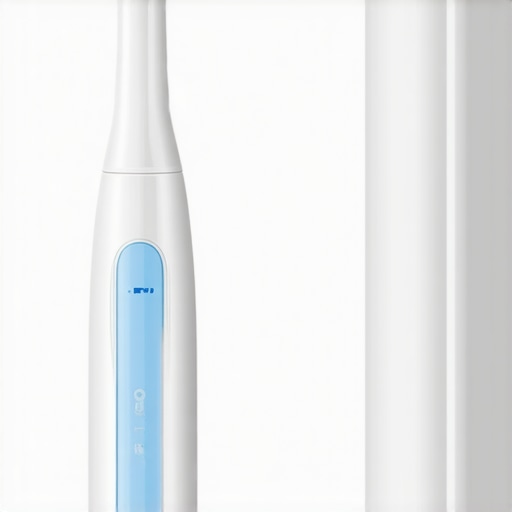
First, I always recommend an electric toothbrush with a timer and pressure sensor. Brands like Oral-B Genius X provide real-time feedback on brushing pressure and duration, preventing gum recession caused by aggressive scrubbing. I’ve seen countless cases where patients’ gums benefited from switching to a gentle yet effective power brush, which also encourages proper technique.
Pair this with a high-quality dental floss designed for tight spaces. My personal favorite is Dr. Tung’s Power Floss because its built-in vibratory action improves plaque removal beneath the gumline, vital in preventing leaks in fillings and early decay.
For dental checkups, I utilize digital intraoral scanners like the CEREC Omnicam. These allow me to capture precise 3D models of a patient’s mouth, revealing micro-cracks or early leaks that traditional impressions might miss. Investing in such technology means earlier intervention and fewer invasive procedures for my patients, which I believe is a game-changer in preventive dentistry.
How do I maintain these tools over time?
Regular calibration and cleaning are essential. For power brushes, replace brushes head every three months, and for intraoral scanners, schedule annual maintenance with the manufacturer. Proper care prolongs the lifespan of these investments, maintaining their accuracy and effectiveness, which directly impacts your oral health outcomes.
Predicting the Future of Dental Maintenance
Emerging technologies like AI-integrated diagnostics will soon personalize maintenance routines even further, warning us proactively about potential issues before symptoms appear. Staying ahead with the latest tools can make your dental journey smoother and more effective.
Ready to elevate your oral care? Incorporate an electric toothbrush with a pressure sensor and consider scheduling regular scans with digital intraoral cameras. These tools not only diagnose issues early but also empower you to take control of your dental destiny. To start, consult with your family dentist about adopting these innovations—your future smile will thank you!
Uncover the Hidden Lessons from My Dental Journey
- Early warning signs like metallic tastes or tiny cracks often indicate bigger issues—trust your instincts and don’t dismiss these subtle cues.
- Professional tools such as digital X-rays and dye tests can reveal leaks before they cause decay; investing in routine checkups saves you money and pain.
- Vigilant daily oral care isn’t enough; understanding how minor signs manifest makes all the difference in preventing major procedures.
- My favorite preventive strategy involved combining high-quality tools with regular professional assessments—this approach keeps my smile healthy and confident.
- Learning about misconceptions, like aggressive brushing harming gums, empowered me to adopt smarter habits that protect my teeth long-term.
Tools and Resources That Made a Difference
- Oral-B Genius X Electric Toothbrush: Its pressure sensor and timer promote gentle, effective brushing, reducing gum recession and enamel wear—a must-have in my routine.
- Digital Intraoral Scanner: Using advanced imaging like the CEREC Omnicam helped identify micro-chips and potential leaks early, highlighting the importance of technology in modern dentistry.
- Educational Content from Trusted Dental Websites: Regularly consulting resources such as preventive tips for families and cosmetic dentistry trends keeps me informed and proactive about my oral health.
- Personalized Dental Consultations: Building a relationship with my dentist means personalized advice and early detection—don’t underestimate the power of a trusting professional bond.
Your Smile Deserves a Personal Touch—Take Action Today
Prioritizing your dental health isn’t just about fixing problems—it’s about embracing a mindset of continuous care and awareness. Recognize the subtle signals your teeth send, use the right tools, and stay connected with your dentist. Your future smile will thank you for it. Remember, small steps today lead to a lifetime of confidence tomorrow. Are you ready to listen to your teeth’s quiet whispers and take control of your oral health? Share your experiences or questions below—I’d love to hear your journey.