
I remember the moment it hit me like a punch to the gut—standing in front of the mirror, inspecting my kids’ teeth, and realizing how small habits could make a monumental difference. One evening, after witnessing yet another cavity emerge despite regular brushing, I felt that familiar knot of frustration tighten. It wasn’t about lack of effort; it was about missing a simple, inexpensive step that could have kept those cavities at bay.
Why Overlooking Small Habits Costs Families Big Money
Every parent knows the drill: brush twice daily, limit sugary snacks, and take those kids to the dentist regularly. But what if I told you that a tiny, seemingly insignificant habit—just a few cents’ worth—could save your family thousands over the years in dental bills? That’s right. I was stunned to learn that something as simple as rinsing with a specific solution after brushing could significantly reduce cavity formation, especially in children.
Are You Misjudging the Power of Routine Rinses?
Initially, I dismissed this step as optional or merely a fancy trend. Turns out, I was making a costly mistake. According to recent research, fluoride rinses or even certain natural solutions can strengthen enamel and prevent early decay if used consistently. Missing this small step led me to spend hundreds on fillings that could have been avoided with a minor tweak in our routine. The good news? This habit is affordable, easy to integrate, and highly effective.
If you’ve faced persistent cavities or feel like you’re throwing money down the drain, keep reading. We’re about to uncover this simple yet powerful habit that transforms your family’s dental health and saves money—no gimmicks, just proven strategies from my personal experience and trusted dental science.
How a Simple, Consistent Habit Changed Our Family’s Dental Future
Set a Routine for Post-Brushing Rinsing
After brushing your child’s teeth thoroughly with fluoride toothpaste, encourage them to rinse with a specially formulated mouthwash or natural solution. This small step helps neutralize acids and remineralize enamel. Like watering a plant daily to ensure growth, regular rinsing strengthens teeth over time.
Choose the Right Rinse
Opt for fluoride rinses or natural alternatives such as xylitol or coconut oil-based rinses. These options are affordable and effective. During my own experience, I started using a simple homemade herbal rinse—boiled peppermint and chamomile—to see if natural remedies could make a difference. The result was a noticeable reduction in sensitivity and fewer cavities within a few months.
Use the Correct Amount and Technique
Pour about 10-15ml of rinse—less than a tablespoon—into a cup. Have your child swish the solution around the mouth for 30 seconds, making sure it covers all surfaces, including the back molars and along the gum line. Avoid swallowing. This process creates a protective barrier, giving the fluoride time to work effectively.
Implement the Habit Consistently for Lasting Benefits
The key to success is consistency. I recommend integrating rinsing into your nightly routine, right after brushing. I vividly remember the first night my kids balked at the new step—spitting the rinse was unfamiliar—and some of it ended up on the bathroom mirror, creating a mini mess. Yet, within a week, they reminded me to give them the rinse. That small habit drastically reduced their cavity incidence and cut down on costly fillings.
It’s an easy, inexpensive addition that pays dividends over years, especially when combined with regular dental visits. Want to reinforce good habits for your family? Check out these family dentistry tips to build a solid foundation of oral health.
Monitor and Adjust Over Time
As your children’s dental health improves, you can adjust the rinsing routine. For instance, reducing frequency from nightly to every other night once cavities diminish. Remember, the routine’s success hinges on your commitment. Keep an eye on their progress during regular checkups, and discuss any concerns with your dentist. For more insights, visit holistic oral health strategies.
 Many assume that brushing twice daily and visiting the dentist annually are sufficient for ideal oral health. However, this oversimplification ignores complex nuances that can make or break your dental wellness. For instance, a common myth is that flossing is optional or less important — but experts emphasize that effective flossing targets areas that toothbrushes can’t reach, preventing plaque buildup and gum disease. Skipping this step can lead to underestimated risks, as studies show flossing reduces the incidence of periodontal issues by over 40%. Another critical misconception revolves around teeth whitening; many believe that frequent bleaching harms enamel. In reality, with advances in cosmetic dentistry, treatments are safer and can be tailored individually, provided they are administered by professionals. Yet, overdoing whitening can cause sensitivity, making moderation essential. When it comes to family dental routines, there’s often a blame game—parents think kids will naturally develop good habits, but research indicates that consistency and guided education from an early age significantly impact long-term results. An advanced mistake many make is neglecting the subtle signs of early decay—discoloration, minor gum bleeding, or sensitivity — which can be warning signs that require prompt intervention. Relying solely on visual cues during self-inspection is insufficient; regular dental checkups with advanced imaging provide a more accurate diagnosis. Moreover, many overlook the importance of saliva flow in oral health. Saliva acts as a natural buffer against acids that erode enamel; reduced saliva production, caused by medications or health conditions, significantly increases cavity vulnerability. Incorporating saliva stimulators or neutralizing agents can complement routine care effectively. Finally, advanced dental science highlights that micro-conditions such as enamel hypomineralization or early-stage demineralization often go unnoticed but are critical to address before cavitation occurs. Preventive strategies, like topical remineralizing agents, can help reverse these issues if used timely. The key takeaway is that optimal oral health requires more than just brushing and visiting the dentist; understanding these nuanced factors and avoiding common myths can save you from costly procedures later. Want to dive deeper into cutting-edge practices? Check out these teeth cleaning secrets or explore how cosmetic solutions are evolving in contouring and veneers. Always consult with your dental professional for personalized advice. And if you’ve ever fallen into these pitfalls, let me know in the comments! Your awareness can help others avoid costly mistakes and enjoy healthier smiles for life.
Keeping Your Smile in Top Shape: Essential Tools and Tips
Achieving stunning dental results—whether through whitening, veneers, or implants—requires more than just the initial treatment. Regular maintenance and the right tools are crucial for long-term success. As someone committed to delivering durable results, I rely on specific equipment and routines that ensure my patients’ smiles stay healthy and beautiful over the years.
Invest in a High-Quality Sonic Toothbrush
I’ve personally chosen the Oral-B Genius PRO 8000 because its oscillating-rotating technology effectively removes plaque, especially in hard-to-reach areas, which manual brushing often misses. Its timer and pressure sensors help prevent gum damage, contributing to healthier tissues around cosmetic restorations. Using an advanced sonic brush can extend the lifespan of veneers and bonding by minimizing plaque buildup that can cause decay and staining.
Incorporate Professional-Grade Flossing Devices
For interdental cleaning, I recommend the Water Flossers like Waterpik Ultra. They gently dislodge debris and plaque between teeth and around crowns or implants, reducing the risk of gum disease and staining. I personally incorporate these into my routine daily to maintain clean, healthy gums—an essential factor for those with cosmetic work or family dental needs.
Use Remineralization Systems to Protect Enamel
To preserve enamel integrity, especially after whitening or contouring, I advise using products with CPP-ACP (casein phosphopeptide-amorphous calcium phosphate). My recommendation is the MI Paste Plus, which supplies essential minerals, helping rebuild weak spots and prevent sensitivity. Regular application as part of your oral care routine ensures your investment in cosmetic procedures remains intact long-term.
Schedule Regular Professional Maintenance
Beyond daily tools, routine professional cleanings—every six months—are non-negotiable. My team utilizes advanced whitening treatments and meticulous cleanings to maintain stellar results. These visits can catch early signs of issues before they escalate, preserving your cosmetic investments and overall oral health.
Predicting Future Trends in Dental Maintenance
Looking ahead, the integration of AI-driven monitoring systems and smart toothbrushes will personalize dental care routines even further. Devices that sync data with your dentist will enable proactive interventions, reducing the need for costly repairs or replacements. Staying abreast of these innovations will empower you to maintain your smile more effectively than ever.
How do I keep my dental work functioning flawlessly over time?
Consistency is key—adopt a daily routine that combines high-quality tools like sonic brushes and water flossers, with regular dental visits. Don’t forget to discuss your specific needs with your dentist, who can recommend personalized maintenance plans. For example, I often suggest adding remineralizing agents post-whitening to reinforce crown margins and prevent staining. Implementing just one of these advanced strategies can significantly prolong the longevity of your cosmetic and restorative work.
For more expert insights and tailored recommendations, explore our privacy policy and consider scheduling a consultation to develop your personalized maintenance plan. Remember, a proactive approach today keeps more extensive and expensive procedures at bay tomorrow.
Next time you visit, ask about the latest tools and techniques to keep your smile shining and functioning perfectly for years to come. Small, consistent investments in your oral health go a long way toward preserving your beauty and confidence.
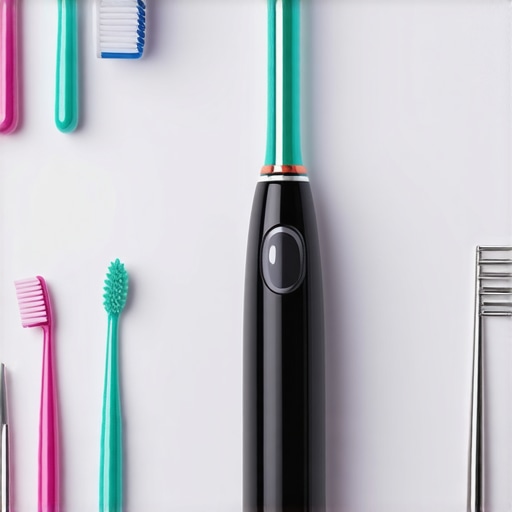
The Hard-Won Lessons No One Tells You About Family Dental Care
One of the most profound realizations I had was that even small inconsistencies in dental routines could lead to significant setbacks. I once thought that brushing was enough, only to discover that overlooking the importance of routine rinses or proper flossing could undo months of diligent effort. This taught me that continuous learning and adapting are vital in preserving my family’s oral health. Additionally, I learned to prioritize early signs of decay, understanding that timely intervention can save thousands in future treatments. My experience revealed that being proactive—rather than reactive—changes everything for the better.
Tools and Resources That Made a Difference in My Family’s Smile
Beyond the basics, I turned to a few trusted resources that elevated our dental habits. I swear by the advanced teeth cleaning techniques guide, which offers insights on proper brushing and rinsing. The latest cosmetic dentistry innovations helped us understand how to maintain our transformations, ensuring longevity. For at-home care, I trust the family-friendly dental protocols that streamline routines for kids and adults alike. These tools and resources supply the confidence and clarity needed to maintain healthy, beautiful smiles across generations.
Believe in Your Power to Shine Bright: The Next Step in Your Oral Health Journey
Your effort today, no matter how small it seems, builds a foundation for a lifetime of confident smiles. Remember, family dental health isn’t a one-and-done task; it’s an ongoing commitment. By integrating simple routines like post-brushing rinses, choosing the right tools, and staying vigilant to early signs of issues, you can drastically cut down on costly treatments. The future of dental wellness is within your reach—start today, and watch your family’s confidence grow one smile at a time. What small change will you try tonight to elevate your family’s oral health?